


Vitamins For Hair Growth In 2026 (What Actually Works)
Which vitamins for hair growth actually work? We break down the evidence on biotin, vitamin D, iron, and zinc so you stop wasting money. Get bloodwork first.

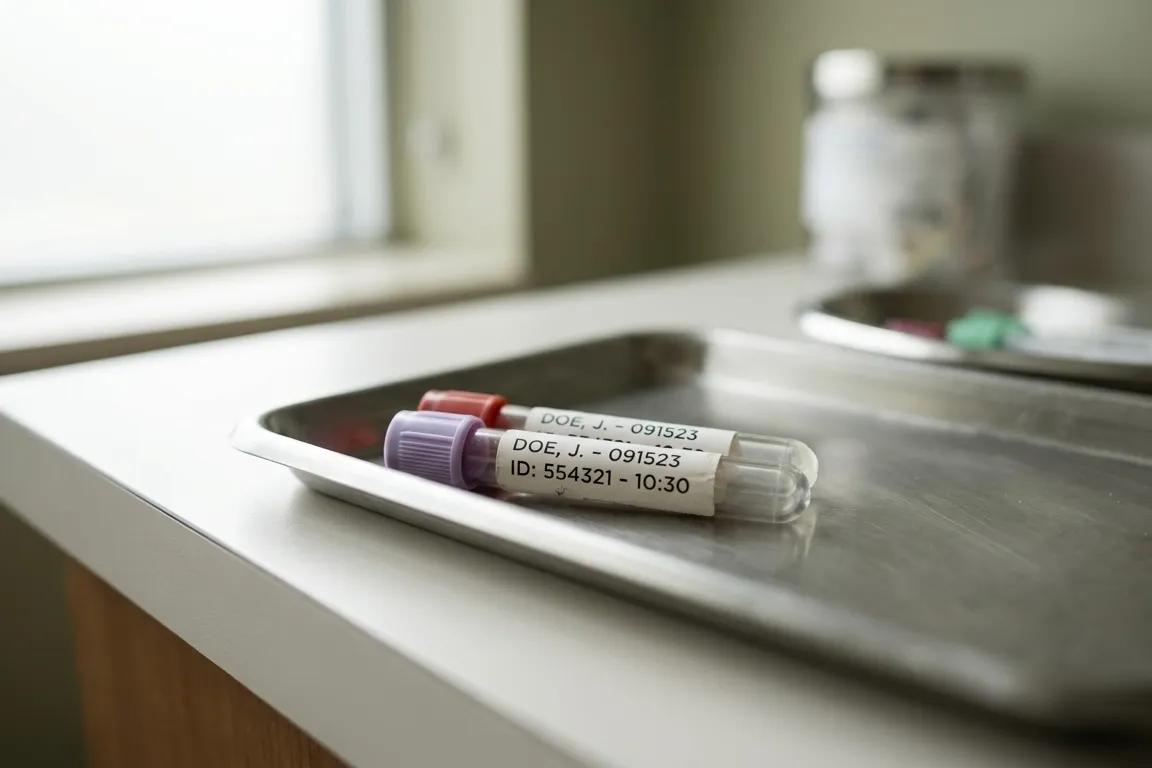
Most people spending $80 a month on hair growth supplements haven't done the one thing that would actually tell them what to take: a blood test. Across health optimization protocols, the pattern repeats itself. Someone notices thinning, panics, buys a premium supplement stack, and six months later wonders why nothing changed. The answer is almost always the same. They were supplementing nutrients they weren't deficient in and ignoring the ones they were.
The best vitamins for hair growth are vitamin D, iron, zinc, and biotin, but only when your levels are actually low. A 2019 review published in Dermatology and Therapy found that micronutrient deficiencies may represent a modifiable risk factor in nonscarring hair loss, but the authors were careful to note that the role of supplementation remains "not entirely clear" in people without confirmed deficiencies (Almohanna et al., 2019). That distinction matters more than any ingredient list on a bottle.
This article won't cover prescription options like minoxidil or finasteride. Those work through different mechanisms and deserve their own breakdown. We're focused here on the nutritional side of hair loss and what the research says about each vitamin and mineral.


Which Vitamins and Minerals Actually Support Hair Growth?
Vitamin D, B vitamins (including biotin), zinc, iron, vitamin A, vitamin C, and omega-3 fatty acids all play roles in the hair follicle cycle. But "plays a role" and "will regrow your hair" are very different claims. The supplement industry has blurred that line for years, and consumers pay for it.
The global hair growth supplement market hit roughly $830 million in 2024 and is projected to surpass $1.9 billion by 2030 (Grand View Research). That kind of growth doesn't happen because every buyer sees results. It happens because the marketing is convincing and the feedback loop is slow. Hair grows about half an inch per month, so you won't know if something worked for three to six months, long after the return window closes.
Does Vitamin D Help With Hair Loss?
Vitamin D receptors sit on hair follicles, and when those receptors aren't getting enough vitamin D, follicle cycling slows down. Research has linked vitamin D deficiency to several types of alopecia, including androgenetic alopecia and alopecia areata.
But it gets complicated. The ISHRS notes that in regions like the northeastern United States, where vitamin D deficiency is extremely common, supplementation "rarely brings clinical benefits" for hair specifically (ISHRS, 2026). That doesn't mean you shouldn't correct a deficiency. It means don't expect a full head of hair just because you started taking 2,000 IU daily.
Most providers recommend 2,000 to 5,000 IU daily for adults, with annual blood testing to adjust. You can get vitamin D from fatty fish, fortified dairy, egg yolks, and mushrooms, but dietary intake alone rarely keeps levels where they should be.
Is Biotin Worth Taking for Hair Growth?
A contrarian but evidence-based take: biotin is the most overhyped supplement in the hair growth category. The ISHRS states plainly that there is "no evidence" biotin supplements help grow hair in people without a documented deficiency (ISHRS, 2026). And biotin deficiency is rare. It's almost always tied to an inherited condition called biotinidase deficiency, raw egg consumption, or certain medications.
Dermatologists still commonly recommend 3 to 5 mg daily, partly because it's cheap and the downside seems low. But there is a downside people don't hear about. High-dose biotin interferes with lab tests, including thyroid panels and hormone assays. If you're taking 5,000 mcg or more, your bloodwork results can come back skewed. Stop biotin at least 72 hours before any blood draw.
Still, a 2024 randomized, placebo-controlled trial did show a 10.1% increase in hair density at six months with a gummy containing B vitamins, zinc, and botanical ingredients (n=65 women with thinning hair). The placebo group saw a 2% decrease (Martin-Biggers et al., 2024). Worth noting: the study was funded by the supplement manufacturer, and it tested a multi-ingredient formula, not biotin alone.
How Do Zinc and Iron Affect Hair Health?
Zinc and iron don't get the marketing hype that biotin does, which is a shame because deficiency in either one has a more clearly documented connection to hair loss.
Iron carries oxygen to hair follicles. When you're deficient, hair growth slows and shedding increases. This hits women harder, especially those who menstruate, follow plant-based diets, or eat red meat fewer than two or three times a week. The NIH Office of Dietary Supplements lists iron deficiency as one of the most common nutritional deficiencies worldwide. Don't supplement iron without a blood test first, though. Too much is toxic.
Zinc supports cell division in hair follicles and helps control inflammation around the scalp. You'll find it in beef, lentils, oysters, and spinach. A 2019 review in Dermatology and Therapy noted zinc's role in the hair cycle but concluded there isn't enough data to confidently recommend zinc supplementation for hair loss, even in people with confirmed deficiency.
What About Vitamin A, Vitamin C, and Omega-3s?
Vitamin A helps your skin glands produce sebum, which keeps your scalp moisturized. But this is one where more is actually dangerous. Excess vitamin A causes hair loss and toxicity. The recommended dietary allowance is 700 mcg for women and 900 mcg for men. Getting vitamin A from foods like sweet potatoes, carrots, eggs, and dairy is safer than supplementing because the doses are naturally lower.
Vitamin C supports iron absorption and collagen production, both of which matter for hair strength. Most people get enough from food (strawberries, peppers, citrus). Supplementing vitamin C for hair specifically is rarely necessary if your diet is halfway reasonable.
Omega-3 fatty acids support scalp health and cell membranes, but the evidence for direct hair growth effects is limited. You can get omega-3s from fish, flaxseed, and walnuts. Fish oil supplements carry their own risks (a possible link to stroke), so the food-first approach makes more sense here.

Are Hair Growth Supplements Worth the Money?
It depends entirely on whether you have a deficiency. And most people don't know.
The cost breakdown tells the real story:
| Approach | Monthly Cost | Best For |
|---|---|---|
| Basic biotin or multivitamin | $10–$20 | General maintenance (if diet is poor) |
| Mid-range multi-ingredient gummy | $30–$50 | Targeted support with some clinical backing |
| Premium (Nutrafol, Viviscal) | $80–$100 | Broader formula addressing stress and inflammation |
| Blood panel + targeted supplements | Varies | Anyone serious about not wasting money |
Prices reflect supplement costs only and don't include lab work, provider consultations, or shipping. Direct-pay. HSA/FSA may be eligible for lab panels.
Too many people jump straight to the $100/month tier without checking their vitamin D, iron, or zinc levels first. A comprehensive lab panel tells you exactly where your gaps are, and the fix might cost $15 a month instead of $100.
The FDA doesn't regulate supplements the way it regulates drugs. You can't always trust that the label matches what's in the bottle. Look for third-party tested products (NSF, USP, or ConsumerLab certifications).
Actually, that's the wrong question entirely. The question isn't "which supplement should I buy?" It's "what's actually causing my hair loss?" If it's genetic (androgenetic alopecia), no vitamin will reverse it. If it's stress-related (telogen effluvium), supplements are a supporting player at best. If it's a genuine nutrient deficiency, targeted supplementation can make a real difference, but only after bloodwork confirms the gap.
The smartest move? Get tested. Work with a provider who understands the full picture of your hormonal and nutritional health. Then supplement what your body actually needs.
Disclaimer: This blog post is intended for informational purposes only and should not be considered medical advice. Always consult a healthcare professional before making changes to your health routine.
FAQs
Do vitamins for hair growth actually work without a deficiency?
For most people, no. The International Society of Hair Restoration Surgery states there is no evidence that biotin supplements help grow hair in people without a documented deficiency. A 2019 review in Dermatology and Therapy reached similar conclusions across multiple vitamins and minerals. Supplements are most effective when correcting a confirmed gap identified through bloodwork.
How long do hair growth supplements take to show results?
Most providers and researchers report a timeline of three to six months before noticeable changes in density or shedding. Full effects can take up to 12 months because the hair growth cycle is slow (roughly half an inch per month). If you see no improvement by month six, retesting your levels is the logical next step.
Can too many vitamins for hair growth cause hair loss?
Yes. Excess vitamin A is one of the most common culprits. Taking more than the recommended dietary allowance (700 mcg for women, 900 mcg for men) can cause toxicity and hair shedding. Excess selenium and vitamin E have also been linked to increased hair loss in clinical reports. More is not better with fat-soluble vitamins.
Does biotin interfere with blood tests?
High-dose biotin (5,000 mcg or more) can produce inaccurate results on thyroid panels, hormone assays, and even cardiac tests. The NIH Office of Dietary Supplements and the FDA have both issued warnings about this interference. Stop biotin supplements at least 72 hours before any scheduled blood draw.
Are expensive hair supplements like Nutrafol worth it over cheap biotin?
Multi-ingredient formulas tend to show better results in clinical studies than single-ingredient biotin. A 2024 randomized controlled trial found 10.1% hair density improvement with a B-vitamin, zinc, and botanical gummy over six months. Premium products like Nutrafol ($80–$100/month) also include adaptogens for stress-related hair loss. Whether the extra cost is justified depends on whether you've identified your specific deficiencies first.
What's the best first step for someone losing hair?
Get a blood panel that covers vitamin D, iron (including ferritin), zinc, thyroid markers, and hormones. Without this data, you're guessing. A basic panel costs far less than six months of premium supplements, and it tells you exactly what to target. According to Harvard Health, roughly 73% of hair loss cases fall into nonscarring categories where regrowth is possible with the right approach.
Which vitamin deficiency causes the most hair loss?
Iron deficiency is the most commonly linked nutrient deficiency to hair loss, especially in women. Vitamin D deficiency is a close second and is widespread among American adults, even more so in northern climates with limited sun exposure. Both are easy to test for and relatively inexpensive to correct with targeted supplementation under provider guidance.
References
More from Marek Health




Your biology has answers.
Custom labs, a dedicated care team, and treatment built on your biology, not guesswork. One program, built around you.
HIPAA compliant · We never sell your data