


How TRT Is Administered And Which Method Works Best For You
How is TRT administered? Compare injections, gels, patches, pellets, and oral testosterone options with dosing schedules, side effects, and monitoring.

Testosterone replacement therapy is administered through injections, topical gels or creams, transdermal patches, subcutaneous pellets, and oral capsules. Injections remain the most commonly prescribed method, with testosterone replacement options like cypionate and enanthate making up the majority of prescriptions in the United States. The right method depends on dosing flexibility, lifestyle, side effect profile, and individual absorption.
TRT is a prescription treatment for men with diagnosed hypogonadism, a condition where the body doesn't produce enough testosterone due to a medical cause. The FDA approves testosterone products only for this purpose, not for age-related decline alone (FDA, 2025). Each administration method delivers the same hormone but differs in how it enters the bloodstream, how often it needs to be used, and what side effects it carries.


How is TRT diagnosed before administration begins?
Diagnosis requires two separate early-morning blood draws (between 8 and 10 AM) both showing total testosterone below 300 ng/dL, the threshold the AUA identifies as a reasonable cut-off to support a diagnosis of hypogonadism (Mulhall et al., 2018). The Endocrine Society recommends fasting morning draws (Bhasin et al., 2018). Symptoms must also be present. Low libido, fatigue, erectile dysfunction, reduced muscle mass, or depressed mood paired with confirmed lab values form the clinical picture. In one primary-care study, approximately 38.7% of men over 45 had total testosterone below 300 ng/dL, with higher rates in men with obesity or type 2 diabetes (Mulligan et al., 2006). A low number alone doesn't qualify.
What are the different ways TRT is administered?
TRT formulations fall into five categories, each with specific dosing schedules and practical considerations.
Injectable testosterone
Injections are the most widely prescribed form and the method most providers start with. Two esters dominate: testosterone cypionate and enanthate. Both have similar half-lives (roughly 8 days for cypionate, 4.5 to 5 days for enanthate) and are typically dosed at 75 to 100 mg weekly or 150 to 200 mg every two weeks (Bhasin et al., 2018).
Injections can be given intramuscularly (IM) into the thigh or glute, or subcutaneously (SubQ) into the fatty layer beneath the skin. A 2017 study found SubQ testosterone enanthate produced physiologic levels comparable to IM delivery (Spratt et al., 2017). A 2022 comparison found SubQ injections were associated with lower hematocrit and estradiol levels than IM (Choi et al., 2022).
A third ester, testosterone undecanoate (Aveed), is long-acting (every 10 to 14 weeks) but requires in-office administration due to anaphylaxis risk.
Advantages: Reliable absorption, precise dose control, lowest cost, both long-acting and short-acting options.
Drawbacks: Requires needle use (though SubQ needles are very small), potential injection site soreness, and possible testosterone level fluctuations between doses.
Topical gels and creams
Gels and creams are applied daily to the shoulders, upper arms, or abdomen. Standard testosterone gel (1% or 1.62%) is dosed at 50 to 100 mg. Creams are sometimes applied to scrotal skin, where absorption rates are higher.
Advantages: No needles, easy dose adjustments, steadier day-to-day levels compared to weekly injections.
Drawbacks: Daily application required. Transfer risk exists through skin-to-skin contact with partners or children. Some men don't absorb gels well enough to reach target levels. Patients should avoid showering for several hours after application.
Transdermal patches
Testosterone patches deliver a controlled dose through the skin over 24 hours, applied daily to the back, abdomen, thigh, or upper arm with site rotation.
Advantages: Steady hormone delivery, no injection, no transfer risk once applied.
Drawbacks: Skin irritation is common (redness, itching, rash). Adhesion can be inconsistent during exercise or sweating. Patches tend to be less effective than injections at reaching target testosterone levels.
Subcutaneous pellets
Testosterone pellets are rice-sized implants placed beneath the skin (usually the hip area) during a brief in-office procedure, releasing testosterone slowly over 3 to 6 months.
Advantages: Infrequent dosing (two to four times per year), steady hormone release.
Drawbacks: Requires a minor procedure. Dose adjustments aren't possible once pellets are implanted. Complications can include extrusion, infection, and local pain.
Oral testosterone
Oral testosterone undecanoate (Jatenzo) is taken twice daily with food. Newer formulations are absorbed through the lymphatic system, substantially reducing the first-pass liver exposure that caused hepatotoxicity with older oral products.
Advantages: No needles, no application site concerns, portable for travel.
Drawbacks: Must be taken with meals. The FDA noted high blood pressure as the most common adverse effect in clinical trials. Some men don't achieve the same peak levels as with injectable formulations.

How do TRT methods compare side by side?
| Method | How it's given | Frequency | Advantages | Drawbacks |
|---|---|---|---|---|
| Injectable (IM/SubQ) | Needle injection into muscle or fat | Weekly to every 14 weeks | Reliable levels, precise dosing, lowest cost | Requires injections, possible level fluctuation |
| Gel/Cream | Applied to skin | Daily | No needles, steady daily levels | Transfer risk, variable absorption, daily use |
| Patch | Adhesive patch on skin | Daily | Steady delivery, no transfer | Skin irritation, adhesion issues |
| Pellets | Implanted under skin | Every 3-6 months | Infrequent dosing | Minor procedure, no dose flexibility |
| Oral capsule | Swallowed with food | Twice daily | Convenient, portable | Must take with food, blood pressure risk |
Can TRT affect fertility?
Yes. Exogenous testosterone suppresses the HPG axis, reducing LH and FSH production and suppressing sperm production. In some studies, exogenous testosterone led to azoospermia in approximately 65% of participants within several months, though rates vary by regimen and individual. Based on integrated hormonal contraception data, median time to recovery of 20 million sperm/mL was approximately 3.4 months, with 67% recovering by 6 months and 90% by 12 months (Liu et al., 2006).
Men of reproductive age should discuss fertility preservation before starting. Adjuncts like hCG can maintain testicular function alongside TRT. Alternatives like enclomiphene (used off-label) stimulate the body's own testosterone production without suppressing fertility.
What monitoring is required on TRT?
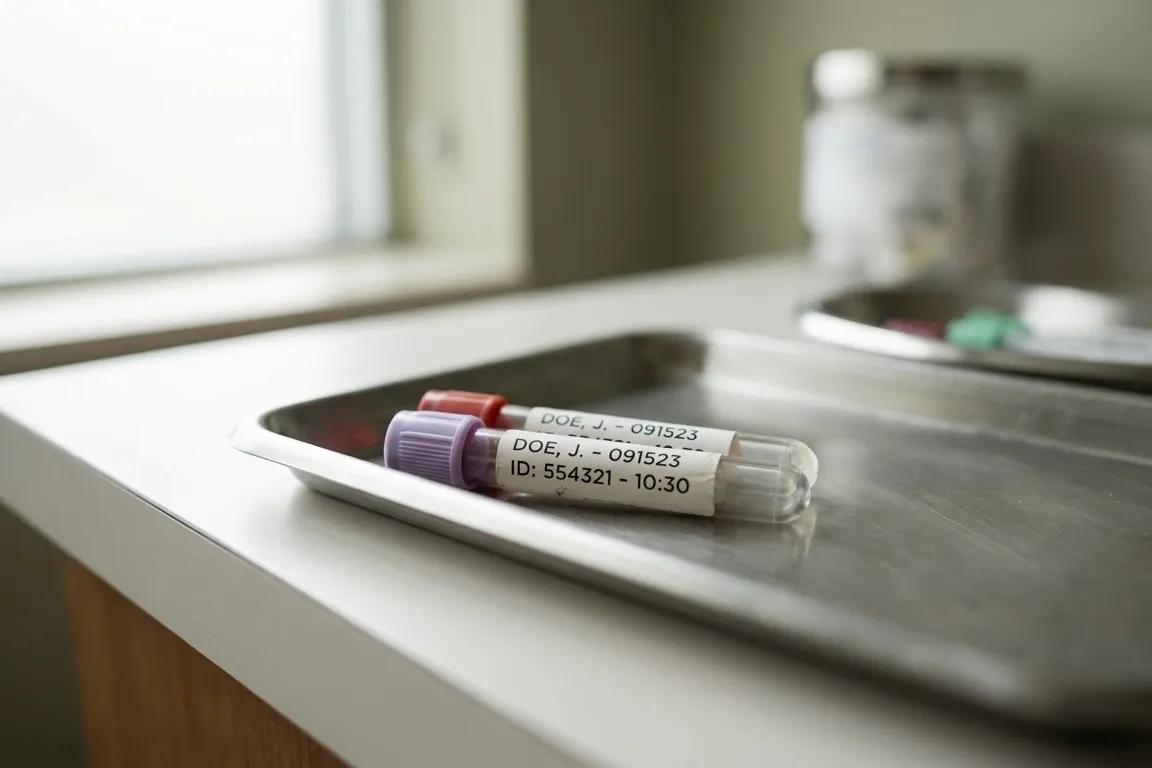
Before starting, baseline labs should include total testosterone (two morning draws), hematocrit, PSA, lipid panel, and blood pressure. The Endocrine Society and AUA recommend follow-up labs at 3 to 6 months, then at least annually (Bhasin et al., 2018; Mulhall et al., 2018).
Hematocrit is among the most important safety labs on TRT. Testosterone stimulates red blood cell production, and when hematocrit rises above 54%, guidelines flag it as requiring dose reduction or therapeutic phlebotomy. Injectable formulations tend to produce larger hematocrit increases than gels or patches.
The TRAVERSE trial, the largest randomized study on TRT cardiovascular safety, found no increase in major adverse cardiac events compared to placebo in 5,246 men with hypogonadism and cardiovascular risk (Lincoff et al., 2023). The FDA responded in February 2025 by removing the cardiovascular black-box warning from testosterone product labeling and adding a class-wide warning about blood pressure increases (FDA, 2025).
Men who prepare for bloodwork correctly, with morning fasting draws and consistent timing, get more accurate results. Method selection should involve shared decision-making between the provider and patient, weighing lab results, symptoms, lifestyle, and treatment goals.
Disclaimer: This blog post is intended for informational purposes only and should not be considered medical advice. Always consult a healthcare professional before making changes to your health routine.
FAQs
How is TRT most commonly administered?
The most common form of TRT in the United States is injectable testosterone, specifically testosterone cypionate. It's typically given as a weekly subcutaneous or intramuscular injection at doses of 75 to 100 mg. Injections are preferred because they provide reliable absorption, precise dose control, and cost less than other formulations.
What is the difference between subcutaneous and intramuscular TRT injections?
Intramuscular injections deliver testosterone deep into muscle tissue using a larger needle, usually in the thigh or glute. Subcutaneous injections go into the fatty layer just beneath the skin using a smaller needle, often in the abdomen. A 2017 study found SubQ delivery produced comparable testosterone levels to IM, and a 2022 study reported lower hematocrit and estradiol levels with SubQ administration.
Does TRT come in a pill form?
Yes. Oral testosterone undecanoate (Jatenzo) is an FDA-approved capsule taken twice daily with food. Newer formulations are absorbed through the lymphatic system, reducing the liver exposure that caused toxicity with older oral products. The most common side effect in clinical trials was elevated blood pressure. Not all men achieve the same peak testosterone levels as with injectable TRT.
Can testosterone cream transfer to other people?
Yes. Testosterone gel and cream can transfer through direct skin-to-skin contact before the product is fully absorbed or the site is washed. This poses a risk to partners and children. Patients should wash hands after application, cover the site with clothing, and avoid skin contact until the area is dry.
How often do testosterone pellets need to be replaced?
Testosterone pellets are typically replaced every 3 to 6 months, depending on the dose and how quickly an individual metabolizes testosterone. Insertion requires a minor in-office procedure. Once implanted, the dose cannot be adjusted until the next insertion, which limits flexibility compared to injections or gels.
What labs are checked while on TRT?
Monitoring includes testosterone levels, hematocrit, PSA, estradiol, lipid panel, and blood pressure. The Endocrine Society and AUA recommend follow-up labs at 3 to 6 months after starting TRT, then annually. Hematocrit above 54% requires a dose reduction or therapeutic phlebotomy per clinical guidelines.
Can men on TRT still have children?
TRT suppresses sperm production by reducing LH and FSH. In some studies, exogenous testosterone led to azoospermia in approximately 65% of participants within several months, though rates vary. Based on integrated hormonal contraception data, median time to recovery of 20 million sperm/mL was approximately 3.4 months, with 67% recovering by 6 months. Men planning to conceive should discuss alternatives like hCG or enclomiphene with their provider before starting TRT.
References
More from Marek Health




Your biology has answers.
Custom labs, a dedicated care team, and treatment built on your biology, not guesswork. One program, built around you.
HIPAA compliant · We never sell your data