


Bioidentical Hormones For Men: Benefits And Safety
Bioidentical hormones for men may support energy, mood, and body composition. Compare BHRT delivery methods, costs, and safety data. Schedule your evaluation.

Roughly 39% of men over age 45 have total testosterone below 300 ng/dL, a threshold associated with clinical symptoms like persistent fatigue, reduced sex drive, and declining muscle mass (Mulligan et al., 2006). Bioidentical hormone replacement therapy (BHRT) is one approach that men and their providers are turning to for support. But most of the conversation around BHRT still centers on women's health, leaving men without clear, honest answers about what it actually involves.
Bioidentical hormones for men are lab-produced hormones derived from plant sources and structured to match the molecular makeup of hormones the body produces on its own. BHRT for men typically centers on testosterone, sometimes with DHEA or estrogen monitoring, to help restore levels that drop with age. Men pursuing this option work with a telehealth provider to build a protocol grounded in lab results and individual health goals.
This article won't cover female hormone therapy or peptide treatments. The focus is what BHRT looks like for men, which hormones are involved, what the latest safety data says, and what the process costs. Spoiler: it's not as simple as most marketing makes it sound.


What Are the Benefits of BHRT for Men?
Men with documented low testosterone who begin BHRT under medical supervision may see improvements across several areas. None of these are guaranteed, and individual results vary based on health status, adherence, and provider guidance.
Energy and daily function. Providers commonly report that low testosterone is associated with persistent fatigue that doesn't resolve with more sleep. Bringing testosterone back within a range determined by a provider and the client’s lab work may support steadier energy levels, though timelines differ. Clinical experience suggests some men notice changes within weeks, while others may take 3-6 months.
Body composition and physical function. Testosterone is one of several hormones involved in lean muscle maintenance, and its effects vary based on age, baseline levels, and lifestyle factors. A sub-study within the TRAVERSE trial found that men receiving testosterone gained significantly more lean mass and lost more fat mass than those on placebo (Bhasin et al., 2024). Results depend heavily on resistance training, nutrition, and sleep. BHRT doesn't replace the work. It may make the work more productive.
Mood stability. Hormonal imbalances can contribute to irritability, low motivation, and difficulty concentrating. Some men on BHRT report improvements in mood and mental clarity. BHRT may support mood, but it's not a substitute for mental health care from a qualified provider. Men with persistent symptoms in this area should seek separate support.
Bone density. In men with documented low testosterone, BHRT may contribute to bone density preservation, though evidence in men is still developing. The TRAVERSE sub-study showed modest improvements in bone mineral density (Bhasin et al., 2024). Weight-bearing exercise and adequate calcium and vitamin D remain foundational regardless of whether BHRT is part of the plan.


Which Hormones Does BHRT Target?
Most BHRT protocols for men center on testosterone. But two other hormones, estrogen and DHEA, also play a role in men's hormonal health and sometimes need monitoring or adjustment.
Testosterone
Testosterone is the primary male sex hormone. It affects muscle mass, bone strength, red blood cell production, libido, and mood. After age 30, men's testosterone levels tend to drop roughly 1.6% per year on average (Feldman et al., 2002).
In February 2025, the FDA issued class-wide labeling changes for testosterone products. The agency removed language from the boxed warning related to cardiovascular risk, citing findings from the TRAVERSE trial. That trial, published in the New England Journal of Medicine, enrolled 5,246 men with hypogonadism and preexisting or elevated cardiovascular risk, and found that testosterone therapy did not increase the risk of major adverse cardiovascular events compared to placebo in that population (Lincoff et al., 2023). Safety in broader populations hasn't been established to the same degree.
This doesn't mean testosterone therapy is risk-free. The same FDA update added new guidance about blood pressure increases with testosterone use. Regular cardiovascular monitoring remains a non-negotiable part of any responsible protocol.
Estrogen's Role in Men
Most people associate estrogen with women's health, but men produce it too, in smaller quantities. Estrogen supports bone density and brain function in men. Issues arise when estrogen climbs too high relative to testosterone. This is common in men carrying excess body fat, since fat tissue converts testosterone to estradiol.
Symptoms of elevated estrogen in men can include water retention, mood swings, and breast tissue growth (gynecomastia). A sound BHRT protocol tracks estradiol levels alongside testosterone and adjusts dosing as needed.
DHEA (Dehydroepiandrosterone)
DHEA is a precursor hormone made by the adrenal glands. The body can convert DHEA into testosterone and estrogen through enzymatic processes in peripheral tissues. DHEA levels peak in a man's 20s and fall steadily from there.
Some BHRT protocols include DHEA supplementation, though the evidence for standalone DHEA benefits in men is less clear-cut than for testosterone. Research on DHEA and bone density in men has produced mixed findings (Mayo Clinic, 2025). A provider will typically check DHEA-sulfate levels as part of a full lab panel before recommending supplementation.
How Does BHRT Work?
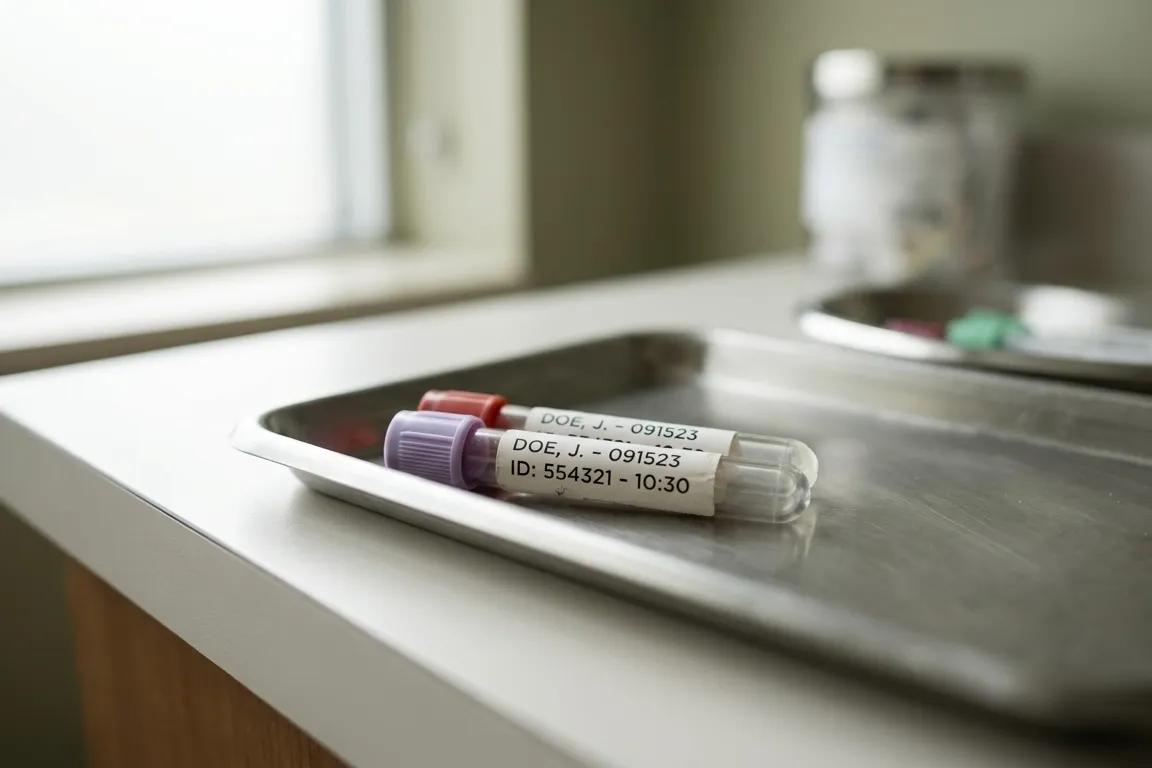
BHRT isn't a one-size-fits-all prescription. The process starts with blood work to pinpoint specific hormonal deficiencies. The specific panel varies by provider and patient. It often includes testosterone levels alongside other markers chosen based on symptoms and medical history.
Based on those results, a licensed provider builds a personalized protocol. Testosterone can be delivered through injections, topical creams or gels, or subcutaneous pellets. Each method carries different trade-offs. The choice between delivery methods is made collaboratively, based on the client’s preferences, lifestyle, and medical history.
Injections typically run $60-$200 per month. Gels and patches cost $200-$500. Pellets run $300-$800 every 3-6 months, or roughly $1,200-$2,400 per year. These ranges reflect medication costs only and don't include lab work, provider consultations, or follow-up visits. Most compounded BHRT is direct-pay, though HSA and FSA funds may be eligible.
The protocol doesn't end at the first prescription. Ongoing lab work is required to monitor hormone levels, hematocrit, liver function, and PSA. Providers may adjust dosing over the first several months based on lab results and symptom response. Men who skip follow-up testing risk pushing levels too high, which can lead to complications including elevated hematocrit, blood pressure changes, mood instability, and other effects that require medical evaluation.
Getting Started With BHRT
Bioidentical hormones for men work best as part of a broader plan developed between patient and provider, one that includes nutrition, exercise, sleep, and stress management. The men who get the most out of BHRT are the ones who pair it with a full health assessment and ongoing provider guidance.
The first step is an intake assessment with a provider, followed by lab work to establish a baseline. A full hormone panel gives both the client and the provider a clear starting point. From there, the conversation shifts to whether BHRT is appropriate, which delivery method makes sense, and what monitoring looks like over the coming months.
Disclaimer: This blog post is intended for informational purposes only and should not be considered medical advice. Always consult a healthcare professional before making changes to your health routine.
FAQs
How much does bioidentical hormone therapy cost for men?
Costs depend on the delivery method. Testosterone injections typically run $60-$200 per month. Gels and patches cost $200-$500 per month. Pellet therapy costs $300-$800 every 3-6 months, which adds up to roughly $1,200-$2,400 per year. These ranges cover medication only and don't include lab work, consultations, or follow-up visits. Most compounded BHRT is direct-pay, though HSA and FSA funds may be eligible.
Are bioidentical hormones for men safe?
The TRAVERSE trial, published in the New England Journal of Medicine in 2023, enrolled 5,246 men with hypogonadism and preexisting or elevated cardiovascular risk. It found no increased risk of major cardiovascular events in the testosterone group compared to placebo. In February 2025, the FDA removed cardiovascular-related language from testosterone's boxed warning based on this data. Testosterone therapy still carries potential side effects, including blood pressure increases, elevated hematocrit, and mood changes. Regular lab monitoring under a licensed provider is required, and safety findings may not apply equally to all populations.
How long does it take for BHRT to work in men?
Timelines vary. Clinical experience suggests some men report energy and mood improvements within 2-4 weeks. Changes in body composition and bone density take longer, often 3-6 months or more. Providers typically run follow-up lab work at regular intervals to track progress and adjust dosing. Full effects may take up to a year to develop.
What is the difference between bioidentical and synthetic hormones?
Bioidentical hormones are structured to match the molecular makeup of hormones the body produces naturally. They're typically derived from plant sources like soy or wild yam and then processed in a lab. Synthetic hormones have a different molecular structure. Some men report fewer side effects with bioidentical formulations, though head-to-head clinical data comparing the two in men remains limited.
Can BHRT for men affect fertility?
Yes. Exogenous testosterone can suppress sperm production to undetectable levels in some men, and recovery after stopping isn't guaranteed in every case. Fertility preservation should be discussed with a provider before starting any testosterone protocol. Providers may discuss alternatives such as clomiphene or, where available, HCG to help preserve fertility, though these don't guarantee maintenance of sperm production.
What biomarkers should be tested before starting BHRT?
The specific panel varies by provider and clinical context. It often includes testosterone levels alongside other markers chosen based on the client’s symptoms, health history, and goals. Baseline readings are needed to design the protocol and detect changes over time. Follow-up labs should happen at regular intervals, with timing determined by the provider based on the individual's response.
References
More from Marek Health




Your biology has answers.
Custom labs, a dedicated care team, and treatment built on your biology, not guesswork. One program, built around you.
HIPAA compliant · We never sell your data