


TRT And Motivation: What The Clinical Evidence Shows
TRT and motivation are connected through dopamine pathways in the brain. See what clinical research says about testosterone therapy, drive, and focus.

Testosterone replacement therapy (TRT) can support improvements in motivation and mental drive, but only in men with confirmed testosterone deficiency. The connection runs through dopamine pathways, where androgen receptors in the brain's reward centers help regulate goal-seeking behavior. A 2026 systematic review found that testosterone influences mood regulation, cognition, and motivation through limbic and prefrontal circuits (Hristova et al., 2026).
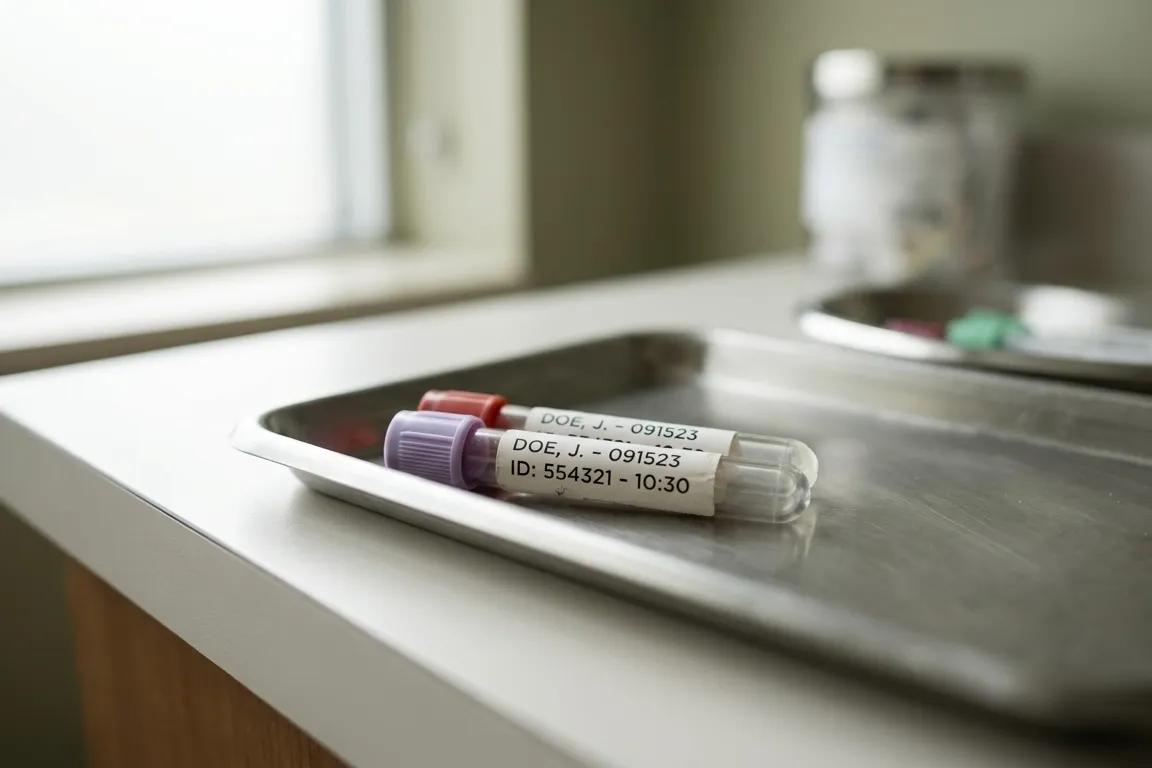
Men exploring whether low testosterone contributes to persistent fatigue or reduced drive can begin with a clinical hormone evaluation that includes proper lab confirmation.


How Does Testosterone Replacement Therapy Work?
TRT is designed to restore testosterone in men whose levels fall below clinical thresholds. Both the AUA and the Endocrine Society define clinical thresholds for testosterone deficiency, confirmed on two separate early-morning blood draws (Mulhall et al., 2018; Bhasin et al., 2018). Evaluation also requires symptoms consistent with deficiency (fatigue, reduced libido, depressed mood, or diminished motivation).
TRT isn't approved for age-related testosterone decline alone. The FDA retained this limitation in its February 2025 labeling update, which added blood pressure monitoring guidance based on the TRAVERSE trial. That trial followed 5,246 men over 33 months and found no significant increase in major adverse cardiovascular events (MACE), with rates of 7.0% in the TRT group compared to 7.3% on placebo (Lincoff et al., 2023).
The Connection Between Testosterone and Drive
Testosterone influences motivation through its effect on dopamine signaling. Androgen receptors in the ventral tegmental area and nucleus accumbens appear to modulate how the brain responds to goals and incentives. Research in Psychoneuroendocrinology found that exogenous testosterone may increase status-seeking motivation when social position feels unstable.
The relationship isn't simple. The T-Trials (2016), studying 788 men with a mean age of 72, found testosterone gel didn't reach the primary vitality endpoint. Secondary outcomes showed small but measurable improvements on mood-related measures across the study population.
Reduced motivation in testosterone-deficient men often involves overlapping factors. Research suggests poor sleep can lower testosterone by 10-15% in one week, and chronic stress can suppress the hypothalamic-pituitary-gonadal axis independently.
Who Benefits Most from TRT for Motivation?
Men with confirmed hypogonadism tend to see the most consistent results. Roughly 35% of men over 45 meet criteria for testosterone deficiency, per Endocrine Society prevalence data. One of the strongest predictors of improvement appears to be baseline testosterone level. Men with free and total testosterone well below clinical thresholds tend to report more noticeable changes in energy and drive than those closer to the cutoff.
Many men notice changes in energy and mental clarity within 4 to 6 weeks of starting therapy. Mood-related improvements, including motivation, often take 3 to 6 months to stabilize. An estimated 25% to 38% of men on TRT require dosing adjustments during this period, and preparing for bloodwork at regular intervals is part of responsible care.

Lifestyle Factors That Support TRT Outcomes
TRT addresses a hormonal deficit but doesn't replace the basics. Resistance training may independently benefit both testosterone and dopamine activity. Sleep of 7 to 9 hours supports the morning testosterone peak clinicians rely on for accurate readings.
Adequate protein, zinc, and healthy fats contribute to hormonal balance during treatment. Chronic stress elevates cortisol and can blunt TRT's effect on mood.
Men on TRT should also understand the testosterone and estradiol relationship. Imbalanced estrogen during treatment can cause mood instability and water retention. Both undermine the motivation and drive improvements that TRT and consistent hormone management may support.
Disclaimer: This blog post is intended for informational purposes only and should not be considered medical advice. Always consult a healthcare professional before making changes to your health routine.
FAQs
Does TRT improve motivation in all men?
No. TRT is prescribed for men with confirmed testosterone deficiency, and its effects on motivation depend on baseline hormone levels, the underlying cause of deficiency, and individual biology. The T-Trials (2016) found that testosterone gel produced small but measurable improvements in mood, though the primary vitality endpoint wasn't met. Men with levels well below clinical thresholds tend to report the most noticeable changes.
How long does it take for TRT to affect motivation?
Many men notice improvements in energy and mental clarity within 4 to 6 weeks of starting therapy. Mood-related changes, including motivation and drive, typically take 3 to 6 months to stabilize. Between 25% and 38% of men require dosing adjustments during this period.
Can low testosterone cause a lack of motivation?
Low testosterone is one documented factor. The AUA and Endocrine Society both list diminished motivation as a symptom of testosterone deficiency when paired with confirmed low serum levels. Other causes, including depression, poor sleep, and chronic stress, should be evaluated alongside hormone levels.
Is TRT safe for long-term use?
The TRAVERSE trial followed 5,246 men over 33 months and found no increased risk of major cardiovascular events (7.0% TRT vs. 7.3% placebo). The FDA revised cardiovascular labeling for testosterone products in February 2025 and added blood pressure monitoring guidance. Ongoing lab monitoring remains standard practice.
What lifestyle changes support TRT's effects on motivation?
Resistance training, sleep of 7 to 9 hours per night, and a diet with adequate protein, zinc, and healthy fats all contribute to better TRT outcomes. Managing chronic stress matters because elevated cortisol can suppress the hormonal pathways TRT is designed to restore.
Does TRT affect dopamine levels?
Testosterone appears to modulate dopamine signaling through androgen receptors in the brain's reward centers, including the ventral tegmental area and nucleus accumbens. A 2026 systematic review in Cureus found that testosterone influences motivation and mood through these circuits. This is one pathway by which TRT may improve mental drive in men with confirmed deficiency.
References
More from Marek Health




Your biology has answers.
Custom labs, a dedicated care team, and treatment built on your biology, not guesswork. One program, built around you.
HIPAA compliant · We never sell your data