


Tongkat Ali Vs Fadogia Agrestis Compared By Evidence
Tongkat Ali vs Fadogia Agrestis: one has human trials, the other almost none. Compare the research and safety, then talk to a provider before trying either.
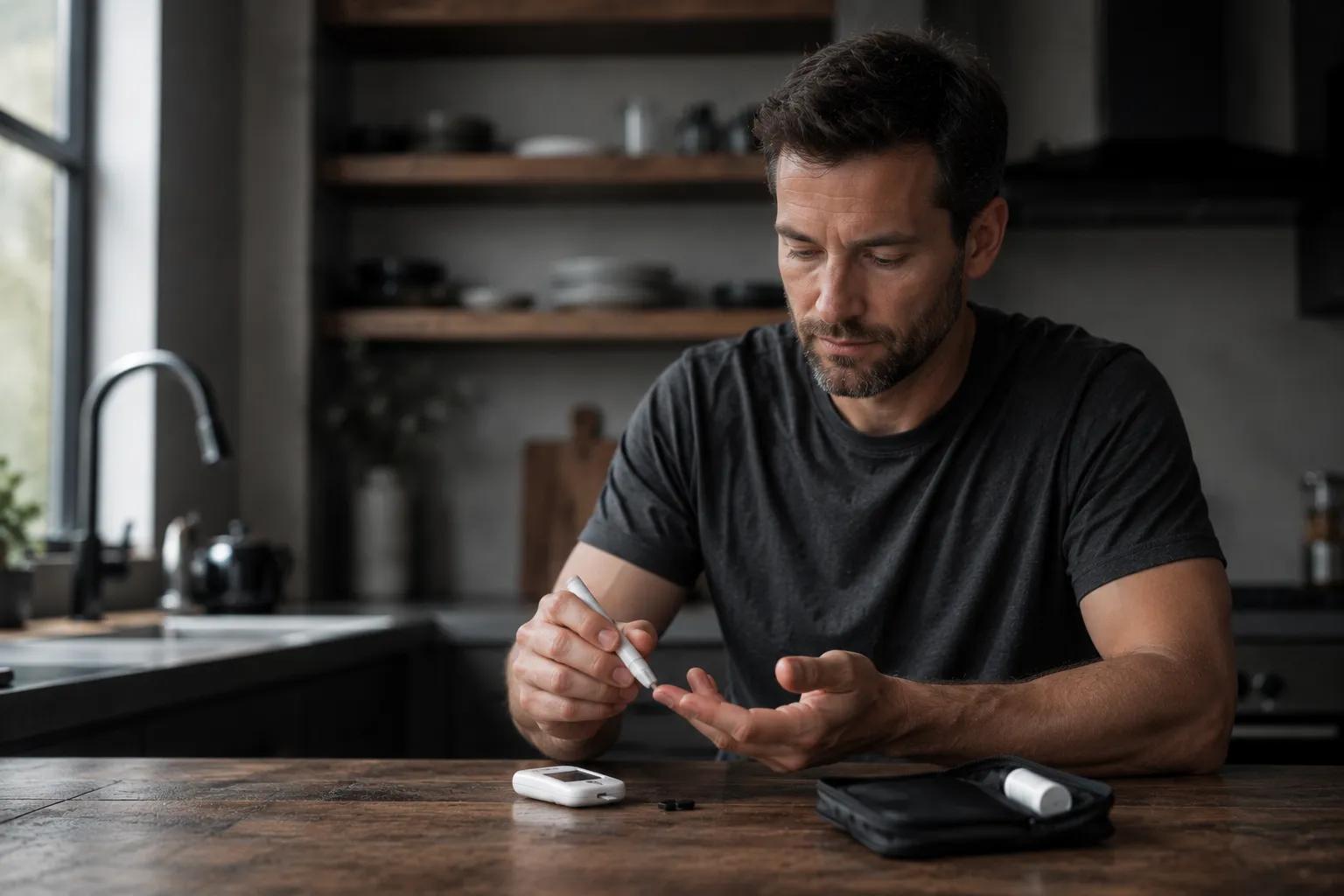
Tongkat Ali vs Fadogia Agrestis comes down to one thing: evidence. Tongkat Ali has human trials behind it. Fadogia Agrestis has almost none. Both get sold as natural ways to raise testosterone, yet only one has actually been tested in people.
Tongkat Ali (Eurycoma longifolia) is a Southeast Asian root with several human studies, including randomized trials. Fadogia Agrestis is a West African shrub whose testosterone claims trace back mostly to rat research. That gap matters before anyone spends money or starts a cycle. The smarter first step is to know the numbers, which is where a telehealth provider and a simple blood panel come in.
What follows is the honest version, with the research named and the hype stripped out.
What is the difference between Tongkat Ali and Fadogia Agrestis? Tongkat Ali is a standardized root extract with human clinical trials showing modest testosterone support, mostly in older or low-testosterone men. Fadogia Agrestis is a less-studied stem extract with no published human trials and animal-based safety concerns. Tongkat Ali is the better-researched of the two.


What Is Tongkat Ali?
Tongkat Ali is a root extract used for centuries in Malaysia and Indonesia, now studied for testosterone and libido support. Its main active compound is eurycomanone.
People take it for libido and energy, and for help with fatigue and stress. In plain terms, and there's a useful overview of the herb for background, it's thought to work on the aromatase pathway. It may influence how testosterone converts to estrogen, and it may help lower cortisol. Among its commonly cited benefits, the stress and mood markers show up most consistently in the research.
How well does it work? Depends on who takes it. A meta-analysis linked Tongkat Ali to higher total testosterone, with the clearest effect in men who started low (Leisegang et al., 2022). In a six-month clinical trial of middle-aged men with age-related deficiency, pairing the herb with regular training improved erectile function and raised testosterone. The catch is that the trial had no herb-only group, so the training did part of the work.
What Is Fadogia Agrestis?
Fadogia Agrestis is a West African shrub marketed for testosterone and energy, but it has no published human trials. Its claims rest on animal data.
The proposed mechanism differs from Tongkat Ali's. Fadogia may signal the testes to make more testosterone by raising luteinizing hormone (LH). That idea comes almost entirely from rodent studies run by a small number of research groups (Examine, 2023). No controlled human trial has confirmed it. Worth saying plainly: most of the buzz came from podcasts, not from new science.
Tongkat Ali vs Fadogia Agrestis: How They Compare
Tongkat Ali has the stronger evidence on research and safety. Fadogia Agrestis is the experimental option with more unknowns. The table breaks down the practical differences.
| Feature | Tongkat Ali | Fadogia Agrestis |
|---|---|---|
| Main benefit | May support testosterone via the aromatase pathway; may help lower cortisol | May raise testosterone by stimulating LH (animal data only) |
| Source | Root extract of Eurycoma longifolia (Southeast Asia) | Stem extract of Fadogia agrestis (West Africa) |
| Typical dose | Standardized extract; product amounts vary | No established or proven-safe human dose |
| Onset | Varies; some notice changes over time, others none | Limited data; anecdotal reports only |
| Side effects | Generally well tolerated short-term; occasional sleep or heart-rate changes; rare liver reports | Largely unknown in humans; animal data flags organ stress |
| Human research | Randomized trials and a meta-analysis | No published human trials |
| Best for | Older or low-testosterone men wanting a researched option | Those who accept experimental risk |
The Research Gap Between Them
Tongkat Ali has randomized human trials and a meta-analysis. Fadogia has none in humans. That's the whole story in one line.
But research doesn't mean miracle. A 2024 trial in trained men and women found that four weeks of Tongkat Ali changed nothing measurable. No shift in testosterone, cortisol, body composition, mood, or strength (Antonio et al., 2024). The lesson is that already-fit, healthy people may see little. In practice, clinicians often see little measurable change in otherwise healthy younger men, even when they feel a difference.
Comparing Their Safety Profiles
Tongkat Ali is generally well tolerated. Reported side effects are mild, like trouble sleeping or a faster heart rate. Rare reports of liver injury exist, though a direct cause hasn't been confirmed (LiverTox, 2024), so anyone with liver concerns should check with a provider first.
Fadogia is murkier. Animal research has flagged possible cytotoxic stress on the testes, with signs that the effect may not stop there. Human safety data barely exists. That's a real reason for caution, not a marketing footnote.
Dosing and Real-World Use
Tongkat Ali comes as a standardized extract, often with the eurycomanone percentage printed on the label. Fadogia usually shows up as a raw powder with no agreed standard and cycling advice based on guesswork. Standardization is why two Tongkat products can behave similarly while two Fadogia products can be anyone's guess.
Why Standardization Matters
A supplement is only as good as what sits inside the capsule. Tongkat Ali has testing methods and quality markers. Fadogia has inconsistent processing and active-compound levels that swing from batch to batch. Third-party testing helps for both, and it's the bare minimum before trusting any label.
Where the Two Herbs Overlap
Both are old traditional remedies now sold as testosterone supplements, and both act on hormone pathways. The real difference is how much science backs each claim.
Roots in Traditional Medicine
Southeast Asian healers used Tongkat Ali for fatigue and male health. West African communities used Fadogia for energy and stamina. Centuries of use is interesting. It's not proof of a testosterone effect.
How Modern Research Got Interested
Scientists isolated eurycomanone in Tongkat Ali and a mix of alkaloids and saponins in Fadogia. Tongkat Ali then got studied in people. Fadogia mostly didn't. Same starting curiosity, very different follow-through.
From Regional Remedy to Supplement Shelf
Both jumped from local medicine to global supplement aisles fast. That speed created a quality problem. More demand, inconsistent potency, and a lot of marketing. The supplement space runs on hype, which is one reason well-researched health content matters before anyone spends a dollar.

Are These Testosterone Supplements Safe?
Tongkat Ali appears generally well tolerated in short-term studies, though its long-term safety isn't well established. Fadogia Agrestis carries more risk, since its safety in humans is largely unknown. Neither is approved by the FDA to treat low testosterone.
The safest approach for either one is the same. Work with a provider, test before and after, and let a clinician read the results. What counts as low varies from person to person, and guidelines have providers diagnose low testosterone from symptoms plus confirmed testing, not a single value (Endocrine Society, 2018). Testosterone also tends to decline gradually with age, so "feeling off" isn't always low testosterone. A result only means something in context, and reading that context is a clinician's job.
Which Supplement Should a Person Choose?
For most people weighing Tongkat Ali vs Fadogia Agrestis, Tongkat Ali is the better-supported option. It has human research, a clearer short-term safety record, and standardized dosing. Fadogia suits only those who knowingly accept the experimental risk. Either way, that decision is an individual one and best made with a provider.
Tongkat Ali fits men who want a researched option and plan to work with a provider to track their response. Fadogia fits a narrower group comfortable with unknowns. Anyone facing possible low-testosterone symptoms, or weighing prescription testosterone therapy, is better off with a provider and proper testing than a guess from a bottle or an online shortcut (JAMA Internal Medicine, 2022). Men who want to preserve fertility should be cautious, since testosterone therapy in particular can reduce sperm production, which is worth discussing with a provider first.
What Actually Supports Healthy Testosterone?
Sleep, training, and nutrition move testosterone more reliably than most supplements. The basics are unglamorous, and they work.
Heavy resistance training and better sleep may both help support natural production. Adequate zinc matters too, mostly for people who are deficient. Carrying excess weight is also linked to lower testosterone, and losing some may help (Eriksson et al., 2017). Keeping stress and cortisol in check helps. A capsule can sit on top of those habits, but it can't replace them, and that's the part the marketing leaves out. For anyone serious about Tongkat Ali vs Fadogia Agrestis, the real answer starts with labs, sleep, and a provider, not the trendier bottle.
Disclaimer: This blog post is intended for informational purposes only and should not be considered medical advice. Always consult a healthcare professional before making changes to your health routine.
FAQs
Is Tongkat Ali or Fadogia Agrestis better for testosterone?
For most people, Tongkat Ali has more human research behind it. It has randomized trials and a meta-analysis linking it to modest testosterone support, mainly in men who start low. Fadogia Agrestis has no published human trials, so its effect in people is unproven. Which one fits depends on the individual and is best discussed with a provider.
Does Tongkat Ali work for young, healthy men?
The effect is strongest in older or low-testosterone men. A 2024 trial in exercise-trained adults found that several weeks of supplementation produced no measurable change in hormone levels, mood, sleep, or body composition. Young, already-fit men may notice little.
Is Fadogia Agrestis safe to take long term?
There's no long-term human safety data. Animal studies have raised concerns about cytotoxic stress on the testes, with signs the effect may not stop there. Because of that, cautious use, lower doses, cycling, and regular bloodwork are commonly recommended.
How long does Tongkat Ali take to work?
Timelines vary a lot. Some studies report effects on testosterone or libido over a span of weeks, while one 2024 study found no change at all in trained adults. How quickly anyone responds, if at all, depends on the person.
Can you stack Tongkat Ali and Fadogia Agrestis?
Many people do, but the popular stack rests on almost no human evidence. The combination was popularized largely through podcasts, not controlled trials. Anyone trying it should treat it as experimental and monitor bloodwork with a provider.
Should testosterone be tested before taking Tongkat Ali vs Fadogia Agrestis?
Working with a provider to test before and after is the best way to know whether anything actually changed. What counts as low varies from person to person, so a clinician should interpret the results rather than a reader judging a number alone. Self-dosing without that guidance makes any change hard to read.
References
More from Marek Health



Your biology has answers.
Custom labs, a dedicated care team, and treatment built on your biology, not guesswork. One program, built around you.
HIPAA compliant · We never sell your data