



Take control of your
testosterone health
70+ biomarkers tested to build your custom plan
365 days of clinician-guided support
Results that last long after the scale moves
Data-driven clarity with expert-guided oversight
Disclaimer: Eligibility for treatment is determined by a licensed medical provider in partnership with Marek Health.
Additional terms and conditions apply.
Getting to the problem
Think you might have low testosterone?You’re not alone - and a lot of men feel
the same way.
have low testosterone
have low testosterone
report ED
per decade
How Optimized Testosterone Changes How You Feel
Because feeling your best isn’t just about testosterone — it’s about having the energy, focus, and confidence to live fully again. That’s why Marek Health looks at the whole picture, from your hormones and sleep to nutrition and recovery, giving you the tools to feel your best every day.
Data-driven efficiency
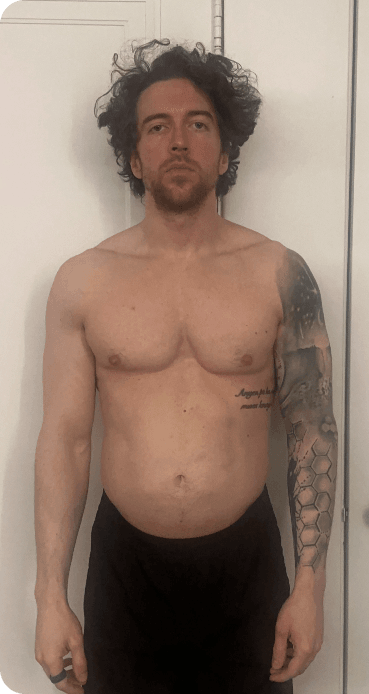
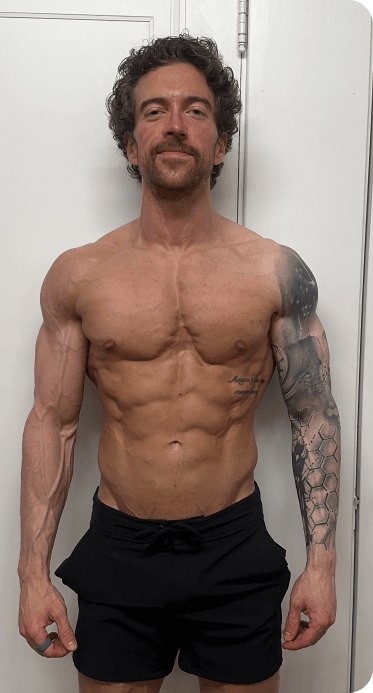
Real client results
in just 10 weeks.
While others waste months on trial and
error, our clients get a data-driven plan
that delivers results fast.
Take a step towards actual change
If you’re ready to make real change,
we want to work with you
Using your lab work, we build a personalized strategy → combining targeted supplementation, nutrition, and hormone optimization, so you see visible progress in just weeks.
 Dylan R.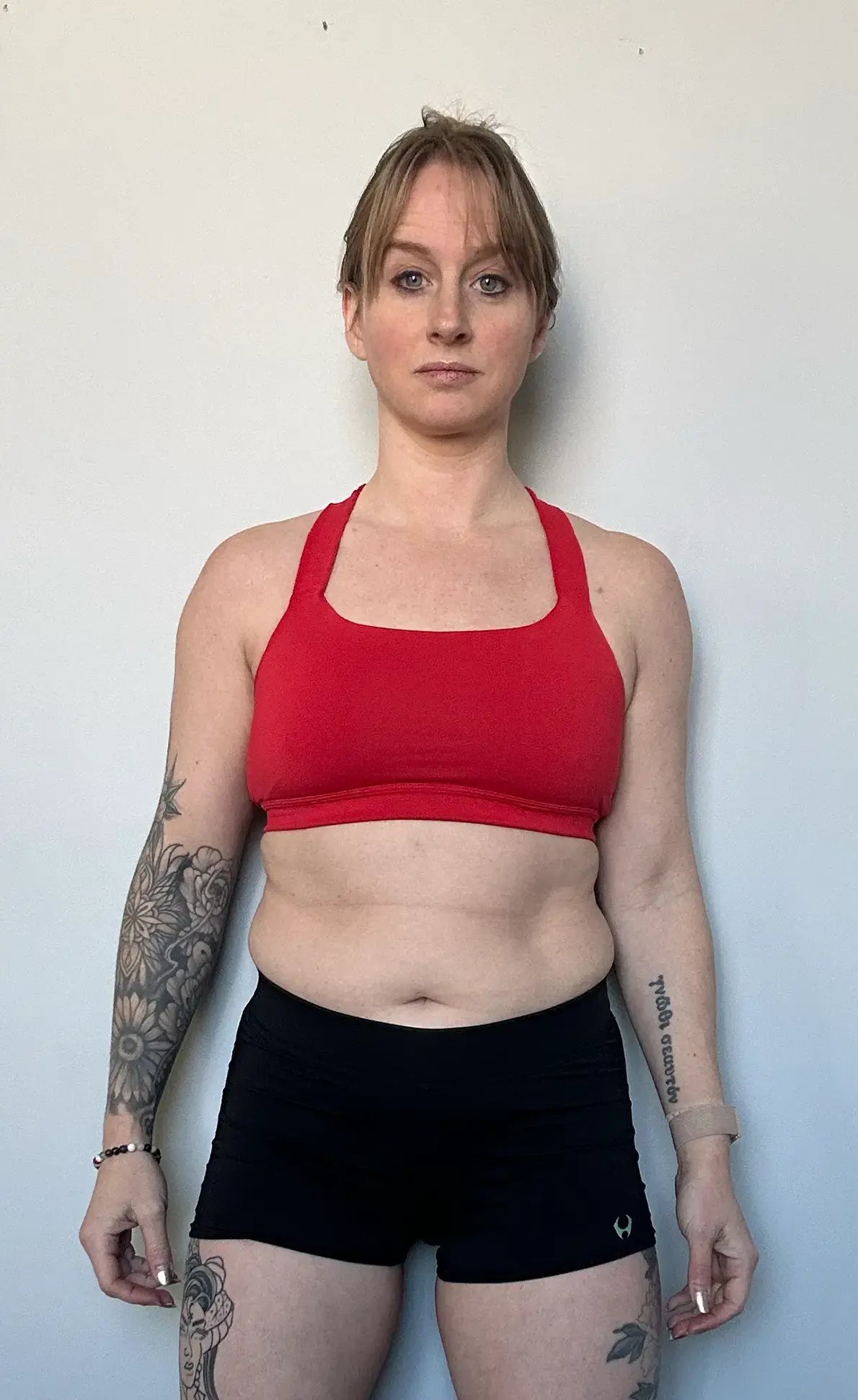
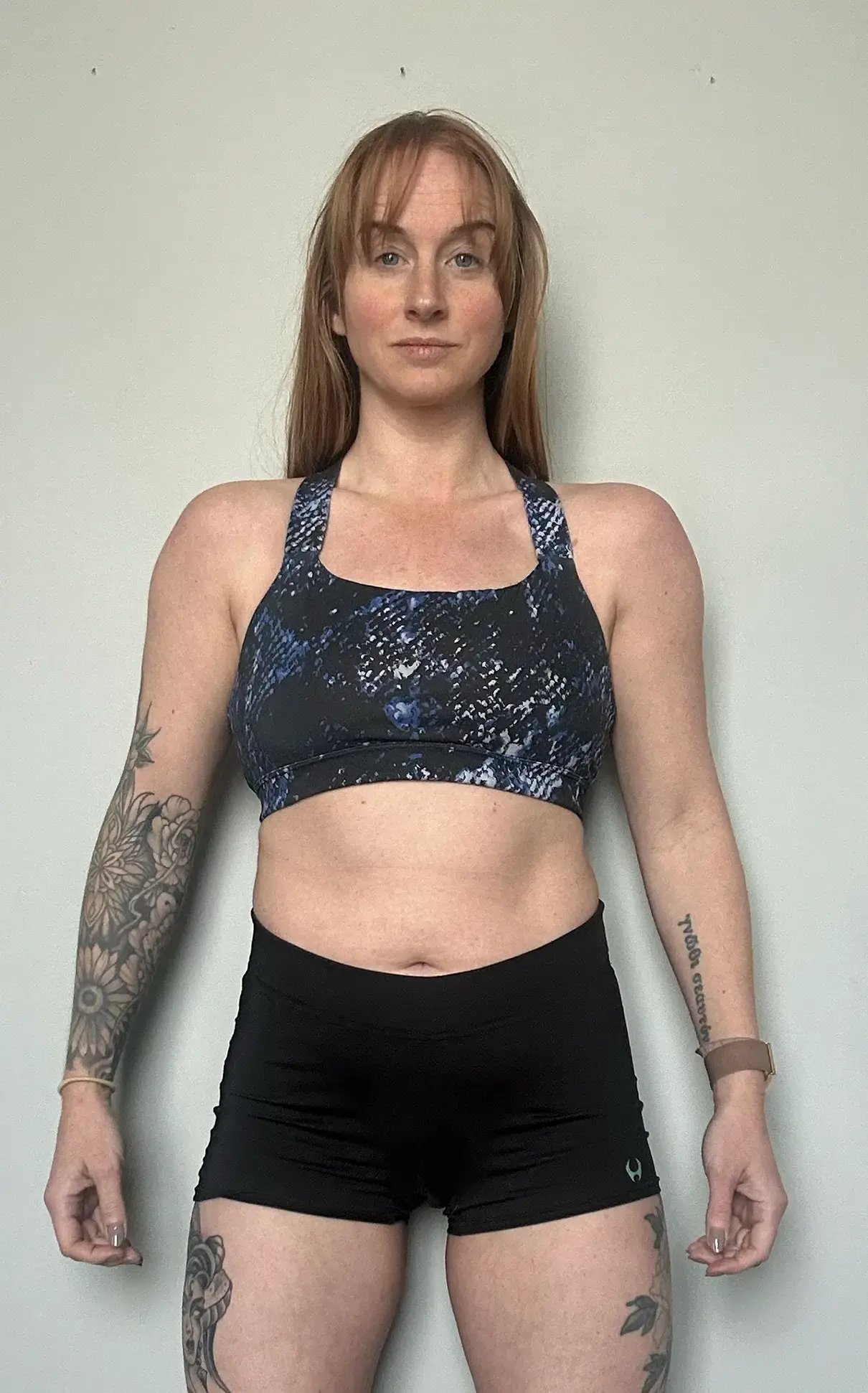 Heather H.
 Josh C.
 Erin C.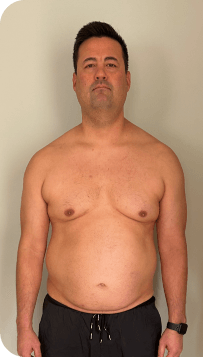
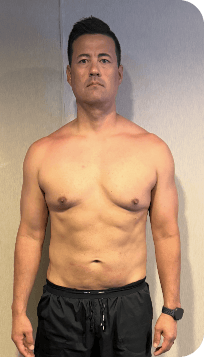 Richard O.
Data-driven efficiency
Real client results
in just 10 weeks.
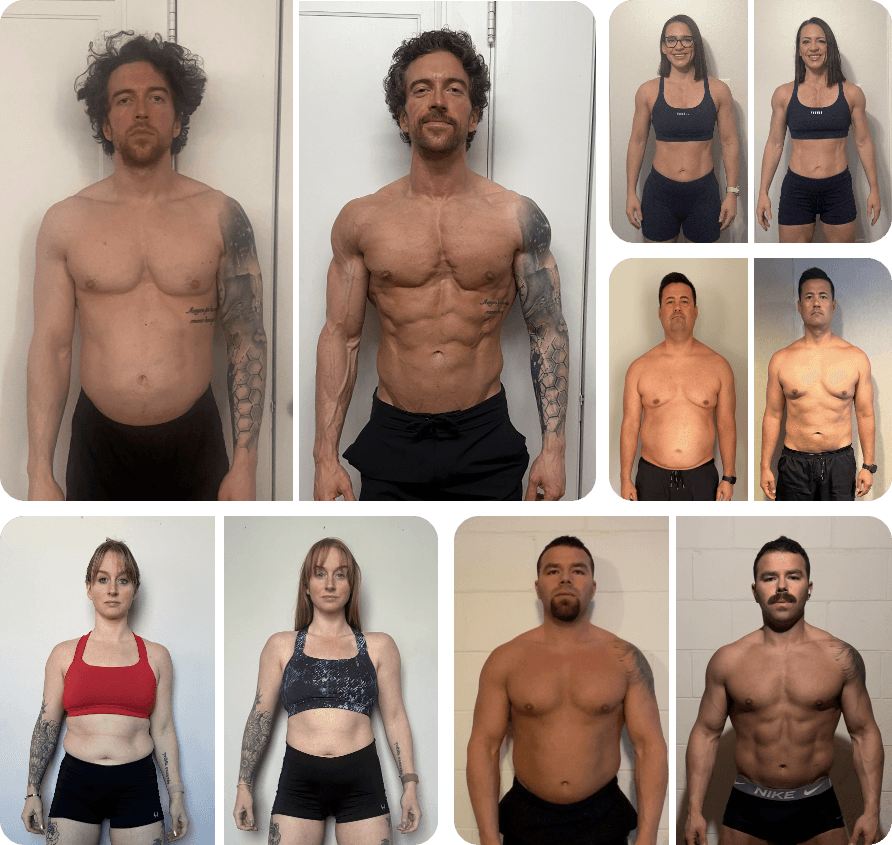
Take a step towards actual change.
While others waste months on trial and error, our clients get a data-driven plan that delivers results fast. If you’re ready to make real progress, we want to work with you.
Get startedDiscussed on your favorite podcasts












thousands transformed

Why choose us
Join our growing community gettingresults with expert-guided programs.
FAQs
Here's everything you need to know about working with Marek
Common symptoms of low testosterone (Low T) include: • Fatigue • Decreased libido or sexual performance • Mood changes, including irritability and depression • Loss of muscle mass or strength • Increased body fat • Difficulty concentrating or brain fog
What are the Symptoms of Low Testosterone?

Common symptoms of low testosterone (Low T) include: • Fatigue • Decreased libido or sexual performance • Mood changes, including irritability and depression • Loss of muscle mass or strength • Increased body fat • Difficulty concentrating or brain fog
How Do I Know if I'm a Candidate for TRT?

An expert should guide this decision. To determine if you're a candidate for TRT, a healthcare provider will assess your: • Blood biomarker levels (testosterone levels and related markers) • Symptoms of low testosterone • Risk factors and any contraindications They will also explore whether other conditions or factors may be contributing to your symptoms before considering TRT.
If I Start TRT, Do I Have to Be on It Forever?
It depends on the cause of your low testosterone. In most cases, men who start TRT have already explored and ruled out reversible causes of low testosterone. If natural methods and other therapies haven't worked, TRT may be a long-term solution. However, discussing this with your healthcare provider is crucial.
What Are the Risks Associated with TRT?
Like any treatment, TRT comes with potential side effects. Some of the common risks include: • Increased red blood cell count • Acne or oily skin • Fluid retention • Changes in cholesterol levels • Potential fertility issues (TRT can lower sperm production temporarily) Your provider will monitor you regularly to manage these risks effectively.
Can Taking Testosterone Give You Prostate Cancer?
No, this is a common myth. There is no evidence that TRT causes prostate cancer. Studies show that men with low testosterone who develop prostate cancer tend to have worse outcomes than those with normal testosterone levels. However, TRT can slightly increase the size of the prostate due to an increase in DHT (dihydrotestosterone), but this generally doesn't lead to cancer. Regular check-ups and lab tests will help ensure prostate health during TRT.