


Testosterone Injections Vs Gels And Creams For Men And Women
Compare testosterone injections, gels, and creams for men and women. Costs, absorption data, side effects, and which TRT method fits your life. Read more.
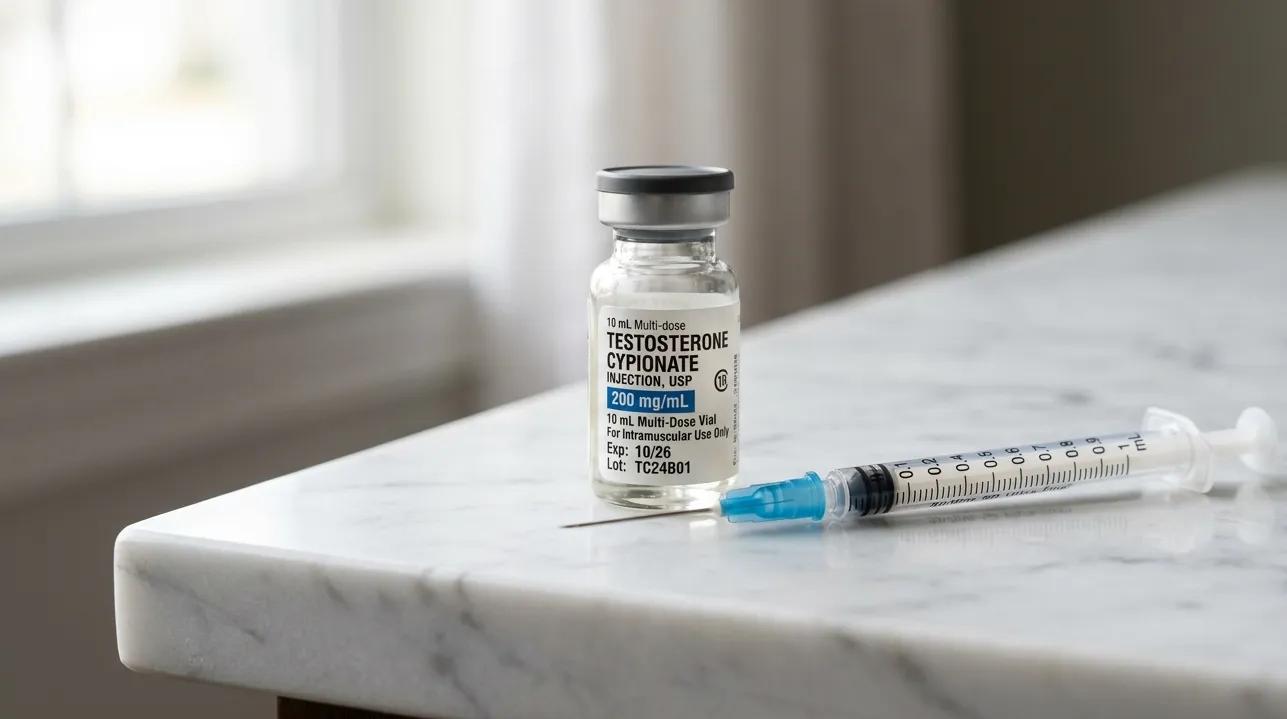
Testosterone injections vs gels and creams comes down to three factors: how the hormone absorbs, how often a client wants to think about dosing, and how much the protocol costs each month. Injections deliver testosterone straight into muscle or fat tissue and tend to produce higher peak levels at the lowest monthly price for many clients. Gels and creams absorb through the skin for a steadier daily release but bring transfer risks and absorption that varies person to person. Neither route is universally better. The right call depends on lab results, lifestyle, individual evaluation, and which trade-offs a client and provider agree are acceptable.
Testosterone replacement therapy (TRT) is a prescription protocol that may help support testosterone levels in men diagnosed with hypogonadism. In the United States, no FDA-approved testosterone product exists for women; any use in women is off-label and requires shared decision-making with a licensed provider. TRT may be administered through intramuscular injections, subcutaneous injections, transdermal gels, or topical creams. Each option carries different absorption profiles, costs, and possible side effects, and the right choice should be made with your provider based on individual evaluation.
This article won't cover pellets, patches, or oral testosterone. Each has its own trade-offs worth a separate conversation. The focus here stays on the three most common options.


How Do Testosterone Injections Work?
Injections deliver testosterone directly into the body, skipping skin absorption entirely. That's one practical advantage, and one reason injections are a common starting point in many protocols.
Two injection types exist. Intramuscular (IM) goes into the muscle and tends to absorb quickly. Subcutaneous (SubQ) goes into the fat layer beneath the skin, often feels less uncomfortable, and is easier to self-administer for many clients. Research from Baylor College of Medicine reported that injectable testosterone produced higher serum testosterone levels compared with gels or pellets in their study cohort (Pastuszak et al., 2015). The carrier oil used in injectable testosterone may also influence tolerance and absorption.
Most injection protocols use testosterone cypionate or enanthate, with dosing schedules tailored to the individual. Generic injectables typically run roughly $10–$100 per month without insurance, which is often less costly than gels.
The upside? High bioavailability, generally reliable absorption, and typically lower monthly cost than most other TRT routes. Many clients reach steadier levels relatively quickly on injections, though timing varies based on dose, frequency, and individual response.
The downside is real. Injections may create peaks and troughs. Testosterone tends to peak after each shot and then decline before the next dose, though more frequent dosing can soften this pattern. Some clients report energy or mood fluctuations between doses, though responses vary widely. More frequent dosing (twice weekly or SubQ) may smooth the curve, but it takes consistency.
Erythrocytosis is the other concern. The Baylor data showed that elevated red blood cell counts developed notably more often in injection users than in gel users in their cohort (Pastuszak et al., 2015). A 2025 retrospective study reported that a meaningful share of TRT patients developed elevated red blood cell counts, with a smaller subset reaching levels that may warrant clinical action (Neidhart et al., 2025). For clients with elevated baseline red blood cell counts or other risk factors, gels or creams may be a more appropriate option depending on provider evaluation.
Other drawbacks: needle discomfort, injection-site soreness, and syringe disposal. Injection users typically need closer monitoring of blood work than gel or cream users.
What About Testosterone Gels?
Gels are designed to provide a steady daily release of testosterone through the skin. They're a common choice for clients who want a needle-free protocol.
Application typically happens each morning on the shoulders, upper arms, or abdomen. The gel dries within minutes, and testosterone absorbs through the skin throughout the day. Product concentrations vary.
The main selling point is hormone stability. Gels are designed to avoid the peaks and troughs that injections can create. For clients sensitive to hormonal swings, that steady daily state may make a noticeable difference.
But the industry line that gels are "always steadier and better tolerated" deserves pushback. Gel absorption can vary widely based on skin type, hydration, sweating, and application site. Many clients apply gel daily for months and still post inconsistent blood levels.
Cost is the other sore spot. Brand-name gels can run $200–$500 per month. Generic versions drop to $30–$80. Still meaningfully more than injectable testosterone at $10–$100 monthly.
Transfer risk gets underestimated. If a partner, child, or pet touches the application area before full absorption, they may absorb testosterone through their own skin. The FDA has flagged this as a documented concern, especially for women and children. Covering the application area and washing hands afterward are required precautions every time.


Are Testosterone Creams Better Than Gels?
Creams offer many of the same benefits as gels with a few meaningful differences that may make them a better fit for certain clients.
The biggest difference is the application area. Creams may be compounded at higher concentrations, which often means application on a smaller patch of skin than gels require. That may cut transfer risk compared with gels that require a wider surface area. Some providers may consider off-label scrotal application of compounded creams based on clinical judgment, where thinner skin may improve absorption. This use is not FDA-approved and should only be considered under direct provider supervision.
Creams may also allow more flexible dose adjustments. Clients control how much they apply, and providers can adjust the compounding concentration based on individual evaluation. That flexibility can matter for fine-tuning.
The downsides mirror gels. Daily application is still required, and missed doses may affect levels. Absorption still varies by individual, though the smaller application area and higher concentration may help with consistency. Compounded creams typically run $30–$90 per month, with pharmacy pricing varying by region.
Here's the contrarian point. Many providers default to injections because they're affordable and predictable. For clients who prefer to avoid needles or develop elevated red blood cell counts on injectables, a well-compounded cream paired with consistent lab monitoring may produce comparable outcomes for some individuals. Providers generally report similar improvements in energy and libido once levels are normalized across routes, though individual response varies.
This is one reason a provider-led testosterone optimization protocol gets built around bloodwork rather than a default delivery method.
Testosterone Injections vs Gels and Creams: 2026 Side-by-Side Comparison
This table breaks down the practical differences that matter most when picking a TRT delivery method with your provider.
| Factor | Injections (IM/SubQ) | Transdermal Gels | Compounded Creams |
|---|---|---|---|
| Cost per month (cash) | $10–$100 | $30–$500 | $30–$90 |
| Dosing schedule | 1 to 2 times weekly | Once daily | Once daily |
| Hormone level pattern | May peak then decline | Designed for steady release | Designed for steady release |
| Absorption consistency | Generally reliable | Varies by client | Moderate to high |
| Reported risk of elevated red blood cell counts | Higher (Pastuszak et al., 2015) | Lower (Pastuszak et al., 2015) | Lower (no specific rate) |
| Skin-to-skin transfer | None | Documented risk | Reduced (smaller area) |
| Needles required | Yes | No | No |
| Dose adjustments | Per cycle | Daily | Daily |
Which TRT Method Is Right for You in 2026?
The right method depends on the client's specific health profile and provider evaluation, not on what's trending online.
For clients who want a more affordable option with generally reliable absorption, injections are often considered first. They may also be a better pick for anyone who shares a bed with a partner or has children or pets at home, because injectables carry no skin-to-skin transfer risk. A deeper look at the lesser-known benefits of TRT helps frame what to expect beyond simple hormone replacement.
Clients with elevated baseline red blood cell counts or a history of erythrocytosis on injectables may want to discuss gels or creams with their provider. The Pastuszak data is hard to ignore: meaningfully fewer gel users developed elevated red blood cell counts than injection users in their cohort (Pastuszak et al., 2015).
Clients who want a needle-free option with potentially better dose control than gels may land on creams. What matters is working with a provider who monitors labs consistently and adjusts protocols based on individual results, not guesswork.
The most common avoidable misstep in TRT? Choosing gels for "convenience" without weighing absorption variability, then spending months on suboptimal levels before switching to injections. That's wasted time and money. Bloodwork and provider evaluation come first. A solid overview of testosterone therapy basics helps set expectations before any delivery method gets picked.


What Should Women Know About TRT Delivery Methods?
Women produce testosterone too, just in much smaller amounts. When levels shift, often around menopause, some women report symptoms that may be linked to hormonal changes, including changes in libido, energy, and mood. The strongest evidence supporting testosterone therapy in women is for hypoactive sexual desire disorder (HSDD); other indications remain investigational.
In the United States, no FDA-approved testosterone product exists for women. Some providers prescribe testosterone off-label for women, typically at much smaller doses than those used in men, after careful individual evaluation. The Global Consensus Position Statement also cautions against compounded testosterone pellets or injections in women due to risk of supraphysiologic levels.
Creams are sometimes preferred for women because dosing can be controlled at smaller amounts. Injections are less common in female protocols since dose increments are harder to fine-tune at very low doses. Gels designed for men are typically too strong without modification.
Any woman considering testosterone therapy should have a full hormone evaluation done first with a licensed provider. Testosterone is one piece of the hormonal picture, and adjusting it without understanding estrogen, progesterone, and DHEA may lead to suboptimal results. For clients also weighing family planning, fertility support during testosterone therapy requires its own protocol layer.
The Final Word on Testosterone Injections vs Gels and Creams
There's no single best route. There's the best route for a client's body, budget, life, and clinical evaluation. Injections often win on cost and absorption reliability. Gels may win on daily stability.
Creams split the difference with potentially better dose control and lower transfer risk than gels.
What actually matters is working with a provider who doesn't default to one route for everyone. A testosterone protocol should be built around lab results, client preference, and shared decision-making. Without regular labs and dosing adjustments, the delivery method becomes the least of the problems. Clients new to this topic can start with answers to common testosterone questions before booking an evaluation.
Choosing between testosterone injections vs gels and creams is a medical decision. Clients should work with a provider experienced in hormone optimization who can weigh these trade-offs based on individual lab work, health history, and goals.
Disclaimer: This blog post is intended for informational purposes only and should not be considered medical advice. Always consult a healthcare professional before making changes to your health routine.
FAQs
Is testosterone gel better than testosterone injections?
Neither is universally better. Gels are designed to provide steadier daily hormone levels and don't require needles, but they tend to cost more ($30–$500 per month versus $10–$100 per month for injections) and carry skin-to-skin transfer risks. Injections may offer higher bioavailability and more reliable absorption for many patients. The right protocol depends on lab results, health profile, lifestyle, and shared decision-making with your provider.
Which testosterone injections vs gels and creams option has fewer side effects?
Gels and creams may produce lower rates of erythrocytosis (elevated red blood cell counts) than injections. One Baylor College of Medicine study reported notably lower rates in gel users compared with injection users in their cohort. Injections avoid the transfer risk that gels carry. Individual factors like baseline health and skin sensitivity may affect which route produces fewer side effects for each person, so the safest option depends on provider evaluation.
How much do testosterone injections cost compared to gels and creams?
Generic injectable testosterone (cypionate or enanthate) typically costs roughly $10–$100 per month without insurance. Generic gels run $30–$80 per month, while brand-name gels can cost $200–$500 monthly. Compounded creams typically fall in the $30–$90 range. Injections are often the most affordable option for many patients on a cash-pay basis.
Can testosterone gel transfer to other people through skin contact?
Yes. Testosterone gel may transfer through skin-to-skin contact if the application site isn't fully dry or covered. This is a documented risk for partners, children, and pets. Transferred testosterone can cause hormonal disruption, especially in women and children. Covering the application area and washing hands after applying are required precautions every time.
Do testosterone injections or gels give more stable hormone levels?
Gels are designed for steady daily levels because they're applied every morning. Injections may create peaks and troughs, with levels often highest soon after the shot and declining before the next dose. More frequent dosing (twice weekly) and subcutaneous protocols may reduce these swings significantly. For patients sensitive to hormonal fluctuations, gels or creams often feel more consistent, though individual response varies.
Can women use testosterone injections, gels, or creams?
In the United States, no FDA-approved testosterone product exists for women. Some providers prescribe testosterone off-label for women, typically at much smaller doses than those used in men, after individual evaluation. The strongest evidence supporting testosterone therapy in women is for hypoactive sexual desire disorder (HSDD). Any decision about testosterone therapy in women should be made with a licensed provider who can weigh evidence, risks, and shared treatment goals.
Can patients switch from testosterone gel to injections?
Yes, switching between testosterone injections vs gels and creams is common. Patients may move from gels to injections due to inconsistent absorption, transfer concerns, or cost considerations. A provider will adjust the protocol and monitor labs during the transition. Providers generally don't require a washout period when switching routes, though lab timing should be discussed individually to confirm the new route is producing appropriate levels.
References
More from Marek Health




Your biology has answers.
Custom labs, a dedicated care team, and treatment built on your biology, not guesswork. One program, built around you.
HIPAA compliant · We never sell your data