


Menopause and Joint Pain: What Actually Helps (2026)
Menopause and joint pain are connected through estrogen loss. Learn why hormonal changes affect your joints and what treatments may help. Talk to Marek Health.
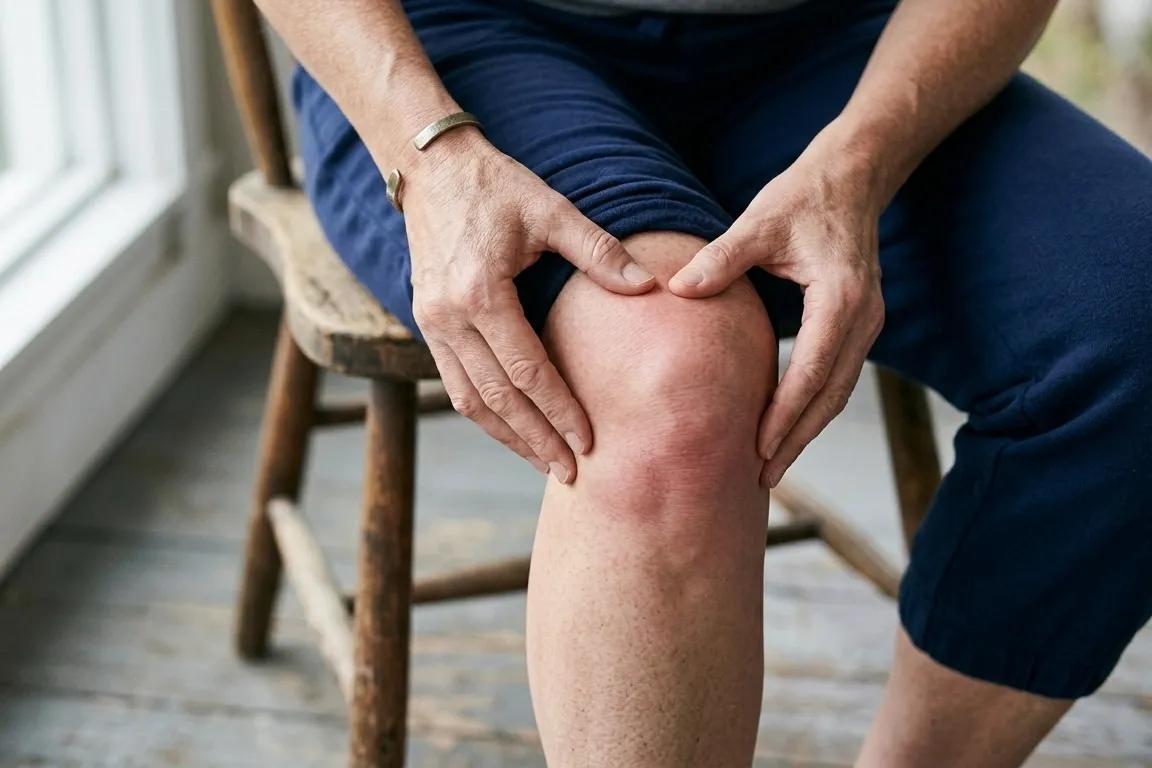
Roughly 71% of perimenopausal women report musculoskeletal pain, yet many get told it's "just aging" and handed a bottle of ibuprofen (Lu et al., 2020). That advice is incomplete at best. Menopause and joint pain appear to be connected in part through estrogen loss, and managing it goes beyond over-the-counter painkillers.
Declining estrogen can contribute to cartilage breakdown, increased inflammation, accelerated bone loss, and muscle weakness. The result is stiffness, aching, and reduced mobility that hits knees, hips, hands, and shoulders, sometimes all at once. Marek Health works with women going through this kind of hormonal transition, from hormone health and sexual health concerns to musculoskeletal symptoms, and the pattern is consistent: joint pain gets underrecognized until it's severe.
Menopause-related joint pain is stiffness, swelling, and aching in the joints that may be related to falling estrogen levels during perimenopause and postmenopause, though multiple factors typically contribute, including age, genetics, activity level, and body composition.
Estrogen helps protect cartilage, plays a role in controlling inflammation, and supports the synovial fluid that lubricates joints. When it drops, joints can lose some of that protection. Dr. Vonda Wright, an orthopedic sports surgeon and Associate Professor at the University of Central Florida, estimates that 70% of midlife women will experience what she and other specialists have proposed calling musculoskeletal syndrome of menopause (MSM) (Wright et al., 2024), a term gaining recognition but not yet formally adopted as a diagnostic category.
The average age of perimenopause onset is roughly 47, with menopause itself landing around age 51 to 52. That's decades of life left after the transition. Some women undergo workups for conditions like rheumatoid arthritis or fibromyalgia without hormonal contributions being considered alongside those evaluations. When hormonal factors go unaddressed, the process can take longer than it needs to.
This article won't cover surgical joint replacement or advanced rheumatologic workups. Those deserve their own separate articles. The focus here is the connection between hormonal changes and joint pain, and the practical steps that may make a measurable difference.


Why Does Estrogen Matter for Your Joints?
Estrogen does three things joints depend on: it helps keep cartilage flexible, may support synovial fluid production, and can help suppress inflammatory signals. When levels fall during menopause, all three can be affected.
Estrogen receptors are found across many tissues in the musculoskeletal system, including bone, cartilage, muscle, tendons, and ligaments. Dr. Jocelyn Wittstein, an orthopedic surgeon at Duke University, put it plainly in a 2024 interview: when estrogen goes down, joints in the hands, shoulders, and knees stop getting the anti-inflammatory protection they're used to, and pain may follow.
The Women's Health Initiative trial showed that postmenopausal women receiving estrogen alone had statistically significant but modest reductions in joint pain frequency compared to placebo at one year, and the difference persisted through year three (Chlebowski et al., 2013). The WHI data provides randomized evidence for a real but modest association between estrogen and joint pain reduction.
Most articles miss this detail: the role hormones play in joint health gets downplayed because the dominant narrative frames menopause as a vasomotor problem (hot flashes, night sweats). Joint pain doesn't make the headline. But in clinical practice, musculoskeletal complaints are among the symptoms that can limit daily function.
How Menopause Makes Joint Pain Worse
Joint pain during menopause isn't one mechanism. It's several factors converging at the same time.

Cartilage Breakdown
Lower estrogen can reduce the body's ability to protect cartilage from degradation. Weight-bearing joints (knees, hips, lumbar spine) take the hardest hit because they carry load every day.
A 2025 analysis of Global Burden of Disease data found that osteoarthritis incidence, prevalence, and disability-adjusted life years among postmenopausal women all increased by more than 130% between 1990 and 2021 (Xu et al., 2025). That increase reflects multiple factors, but hormonal decline during menopause is a major contributor that often goes underrecognized.
Increased Inflammation
Estrogen has anti-inflammatory properties. Without it, baseline inflammation can rise. Women with pre-existing osteoarthritis may feel this first, but some women with no prior joint issues also report new stiffness and swelling during the menopausal transition. Dr. Candace Feldman, a rheumatologist at Mass General Brigham, has noted that estrogen decline can increase inflammatory markers, which may worsen joint symptoms.
Bone Loss and Osteoporosis
The SWAN study documented that the most rapid bone mineral density decline occurs in the year before and two years after the final menstrual period (Greendale et al., 2012). Bone density loss can affect joint mechanics and increase fracture risk. For women during the menopausal transition, that's another consideration that compounds the joint-pain picture.
CDC data from 2022 shows age-adjusted arthritis prevalence in U.S. women at 21.5%, compared to 16.1% in men (CDC/NCHS, 2024). Hormonal differences are considered a major contributor to this disparity, alongside genetic, anatomical, and immunological factors.
Understanding how hormones shape bone and joint health through targeted lab work is one of the most overlooked steps in addressing this decline.
Weight Changes
Many women gain weight during the menopausal transition, especially around the midsection.
Research in adults with knee osteoarthritis found that every extra pound of body weight adds roughly a fourfold increase in compressive load on the knees (Messier et al., 2005). Based on that research, a 15-pound gain could translate to roughly 60 additional pounds of force on each step. Over time, that additional load can accelerate cartilage wear.
Muscle Loss and Sarcopenia
Hormonal shifts during menopause, combined with aging and changes in activity level, can reduce the body's ability to maintain lean muscle. Weaker muscles around a joint can result in the joint absorbing more shock and strain during movement.
This can create a feedback loop: less muscle, more joint stress, more pain, less movement, more muscle loss. Addressing that cycle early can make a meaningful difference.
What Actually Works for Menopause Joint Pain?
The "just take an Advil" approach misses the underlying hormonal contribution. Providers who understand menopause and joint pain target the hormonal and structural changes that may be contributing to symptoms, not just the pain itself.

Physical Therapy and Exercise
Resistance training is one of the most effective but often overlooked tools for managing menopause-related joint symptoms. It can build muscle that helps support joints, may help maintain bone density, and can reduce systemic inflammation.
Guidelines from the American College of Sports Medicine recommend resistance training at least two to three times per week (ACSM). Adding at least 150 minutes of aerobic exercise weekly (walking, cycling, swimming) supports cardiovascular and bone density benefits.
Yoga and Pilates check multiple boxes: flexibility, balance, and bodyweight resistance.
For anyone starting from zero, walking is the first step. For those who've only been walking, adding weights makes a measurable difference. Staying active is one of the best long-term strategies, though acute flares or new injuries may require temporary rest and evaluation before progressing.

Does Diet Really Help with Menopause Joint Pain?
Yes, but with realistic expectations. An anti-inflammatory diet alone is unlikely to resolve severe symptoms. It can, however, lower the baseline inflammatory load joints deal with daily.
Foods that may help: fatty fish, chia seeds, and walnuts (rich in omega-3 fatty acids that may reduce inflammatory markers); berries, leafy greens, tomatoes, and bell peppers (antioxidant-dense); and soy products like edamame and tofu (contain isoflavones that have weak estrogen-like activity). Women with a history of hormone-sensitive conditions should discuss soy intake with their provider.
Foods that make things worse: excess saturated fat, refined sugars and processed flours (they can contribute to blood sugar swings and metabolic patterns that promote inflammation), and alcohol (increases oxidative stress).
The framing of "anti-inflammatory diet" oversimplifies it. The better way to think about it is reducing the dietary load that amplifies the inflammation that estrogen decline may contribute to. A whole-food diet that supports overall metabolic health is likely to have a broader effect than relying on any single supplement.
Sleep, stress, and smoking
Sleep matters for the body's repair and recovery processes. Insufficient sleep can contribute to elevated cortisol and increased inflammation, which may reduce the effectiveness of other interventions.
Menopausal women frequently deal with night sweats, restlessness, and sleep apnea that fragment their rest. Better sleep quality can make a real difference in managing joint symptoms.
Quit smoking. Smoking accelerates bone loss, increases systemic inflammation, and impairs tissue healing. No nuance required on this one.
Supplements and medications
Glucosamine and chondroitin may support cartilage health, though clinical evidence is mixed. NSAIDs provide short-term relief but carry gastrointestinal and cardiovascular risks with long-term use, and they don't address the underlying hormonal contribution. For more severe cases, corticosteroid injections or surgical interventions may become necessary, depending on the degree of joint damage.


Is Hormone Therapy Worth Considering for Joint Pain?
For some women, it may help as part of a broader treatment plan. The 2022 NAMS Position Statement describes menopausal hormone therapy as what the organization identifies as the most effective option for vasomotor symptoms and genitourinary syndrome of menopause. The same statement notes that hormone therapy has been shown to support bone density and reduce fracture risk (NAMS, 2022). The WHI data supports a modest but sustained reduction in joint pain frequency with estrogen (Chlebowski et al., 2013).
Joint pain is not currently a standalone indication for initiating hormone therapy, though some women may experience musculoskeletal improvements as a secondary benefit.
Hormone therapy isn't for everyone. Risks may include venous thromboembolism, stroke, and breast cancer depending on formulation, timing, and individual risk factors, which is why shared decision-making with a qualified provider is important.
Candidates need individualized evaluation based on personal and family medical history, timing of menopause onset, and symptom severity. This is where working with a provider who understands hormone health makes the difference between a one-size-fits-all prescription and a protocol that actually fits.
A thorough symptom assessment and detailed lab panel can help inform a shared decision about whether hormone therapy is appropriate.
When Should You See an Orthopedic Specialist?
If joint pain persists for more than a few weeks despite lifestyle changes, or if swelling, reduced range of motion, or pain that wakes you at night becomes apparent, get evaluated. An orthopedic specialist can order imaging (X-ray, MRI) and rule out structural damage that needs targeted treatment.
Other conditions, including inflammatory arthritis, autoimmune disease, thyroid disorders, and gout, can present with similar symptoms in this age group and should be evaluated before attributing joint pain solely to hormonal changes.
The common mistake: waiting too long because it seems "normal." Delaying evaluation can allow cartilage damage to progress to the point where conservative options become less effective.
It's reasonable to ask a provider: "Could this be related to estrogen changes?" That question can help ensure hormonal factors are considered alongside other possible causes.
If joint pain isn't improving, seeking a provider experienced in menopause-related musculoskeletal concerns may help move the process forward.
Disclaimer: This blog post is intended for informational purposes only and should not be considered medical advice. Always consult a healthcare professional before making changes to your health routine.
FAQs
Can menopause joint pain be mistaken for arthritis or other conditions?
Yes, and it happens frequently. Some women undergo workups for rheumatoid arthritis, Lyme disease, or fibromyalgia without hormonal contributions being considered alongside those evaluations. Musculoskeletal syndrome of menopause, a proposed clinical term, can cause widespread aching that overlaps with autoimmune presentations. For women between 45 and 55 with new-onset joint pain, it's reasonable to ask about hormonal evaluation in addition to standard workups. Roughly 71% of perimenopausal women report musculoskeletal pain. Other conditions, including inflammatory arthritis and thyroid disorders, should also be considered.
Does hormone therapy help with menopause and joint pain?
Evidence supports modest but real benefits. Research on postmenopausal women has shown that estrogen alone produced a modest but sustained reduction in joint pain frequency compared to placebo over three years. Current medical guidance endorses hormone therapy for vasomotor symptoms and genitourinary syndrome of menopause, with potential musculoskeletal benefits as a secondary outcome. Joint pain is not currently a standalone indication for initiating hormone therapy. Candidacy depends on individual risk factors, and shared decision-making with a qualified provider matters.
What exercises are best for menopause joint pain?
Progressive resistance training is a top recommendation. Building muscle around joints reduces the load those joints absorb. Current guidelines recommend resistance training at least two to three times per week, plus 150 minutes of aerobic activity like walking or swimming. Yoga and Pilates add flexibility and balance work. Acute flares or new injuries may require temporary rest and evaluation before progressing.
Why is joint pain sometimes worse during perimenopause than after menopause?
During perimenopause, estrogen levels fluctuate unpredictably rather than settling at a consistent low. These swings can trigger stronger inflammatory responses than a steady low level. Research suggests that the transition period, when hormones are most volatile, may produce peak musculoskeletal symptoms for many women. Roughly 71% of perimenopausal women report joint or muscle pain.
Does menopause increase the risk of osteoarthritis?
Evidence suggests it does. Between 1990 and 2021, osteoarthritis incidence, prevalence, and disability-adjusted life years among postmenopausal women all rose by more than 130%. Women develop arthritis at higher rates than men, with age-adjusted prevalence at 21.5% versus 16.1%. Multiple factors contribute, but hormonal changes during menopause are considered a major driver.
What questions should a woman ask her doctor about joint pain during menopause?
Start with: "Could my joint pain be related to estrogen decline?" Then ask about other possible causes (inflammatory arthritis, thyroid issues, autoimmune conditions), candidacy for hormone therapy, what blood work or imaging may be appropriate, and whether a referral to a menopause-informed specialist makes sense. If resistance training hasn't been discussed, bring it up. A thorough evaluation should consider hormonal, structural, and inflammatory factors together.
References
More from Marek Health




Your biology has answers.
Custom labs, a dedicated care team, and treatment built on your biology, not guesswork. One program, built around you.
HIPAA compliant · We never sell your data