


How To Find The Best And Safest Online TRT Provider
A legitimate online TRT provider confirms low testosterone with labs and symptoms before prescribing. Learn how to vet one, what it costs, and what to avoid.

The best online TRT provider does three things before writing a single prescription. It confirms low testosterone with bloodwork, ties that number to real symptoms, and reviews a man's full health history. Anything less is a warning sign. Testosterone is a controlled substance, not a supplement, and a real online TRT provider treats it that way. This guide walks through who actually qualifies for treatment, what online testosterone replacement therapy costs, how the prescription process works, and the safety questions that separate a medical practice from a quick-sale website.
Demand has grown fast, and so has the number of sites happy to ship a vial. Marek Health operates as a men's health platform in that crowded field, where a lot of the noise around low testosterone comes from marketing, not new clinical evidence.
An online TRT provider is a telehealth medical practice that evaluates men for testosterone deficiency and prescribes testosterone replacement therapy remotely. A credible one requires lab confirmation of low testosterone, documents symptoms, reviews medical history, and monitors clients over time. It cannot legally prescribe testosterone, a controlled substance, without a real clinical evaluation.


Who Qualifies for TRT?
Fewer men qualify than expect to, and that catches people off guard. A real evaluation takes more than feeling tired and reading a symptom checklist online.
The American Urological Association sets the standard most reputable providers follow. Qualifying takes a low testosterone level confirmed on two separate early-morning blood tests, interpreted alongside real symptoms by a clinician, rather than a single number (Mulhall et al., 2018). A low result alone does not qualify someone. Symptoms alone do not either. Both have to line up.
Different medical groups use slightly different cutoffs, so the threshold is not as fixed as marketing suggests, and interpretation is left to the clinician. The two-test rule exists for a reason: testosterone swings day to day, and a single low reading often comes back normal on a retest.
Symptoms sometimes associated with low testosterone may include low sex drive, erectile changes, fatigue, loss of muscle, more body fat, low mood, and trouble with focus or memory. These overlap with stress, poor sleep, and other conditions, which is exactly why a number on its own settles nothing.
The Types of TRT, Compared
Testosterone comes in several forms. The real differences are cost, convenience, and how steady the levels stay between doses.
| Form | Typical monthly cost | Trade-off |
|---|---|---|
| Injections (cypionate, enanthate) | $20-100 | Lowest cost, very effective, but levels peak and dip between shots |
| Gels and creams | $200-500 | Steady daily levels, but they can transfer to a partner or child through skin contact |
| Pellets | $1,000+ per 3-6 months | Set-and-forget, though they need an in-office procedure and cannot be adjusted once placed |
| Oral capsules | $400-1,000 | Convenient, no needles, higher price |
| Nasal gel | Varies | No needles, but dosed multiple times a day |
Here is the part marketing rarely admits. For many men, injectable testosterone replacement therapy is both the lowest-cost option and an effective one once a provider adjusts the dose, but the best form depends on personal preference, lifestyle, and clinical factors, and is a choice to make with a provider. The priciest delivery method is not automatically the better choice.
How Much Does Online TRT Cost in 2026?
Online TRT usually runs between $99 and $250 a month all-in, though the honest answer depends on what a provider bundles into that number. Membership-only fees often start around $49 a month and do not include the medication or the lab work.
That gap is where a lot of men get surprised. A low headline price can leave out the testosterone itself, the bloodwork, and the follow-up visits. Added up over a year, cash-pay treatment commonly lands between $1,500 and $3,000 or more.
A provider should state what is and is not included before anyone signs up. Most online testosterone care follows a direct-pay model, and HSA or FSA funds may be eligible. Any recurring billing or cancellation terms belong in plain view, not buried in the fine print.
Does Insurance Cover Online TRT?
Sometimes, but most online TRT is cash-pay. Insurance may cover treatment when strict criteria are met, usually proof of low levels on more than one blood test plus documented symptoms.
Even then, plans often require prior authorization or limit which formulations they will pay for. Traditional in-person practices are more likely to bill insurance, which is one real cost difference worth weighing against the convenience of telehealth.
How Effective Online TRT Really Is
For men with a confirmed deficiency, testosterone therapy may improve sexual desire and, for some, body composition, while effects on mood and energy vary from person to person and are not seen in everyone. For men without a deficiency, it is not a fix for low energy or low motivation, which often trace back to other causes.
The honest framing matters here. Low testosterone is associated with higher rates of metabolic problems, but treating it has not been shown to extend life, and claims that it does run ahead of the evidence. The large TRAVERSE trial, which followed more than 5,000 men at high cardiovascular risk, found that testosterone did not increase major cardiac events overall compared with placebo (Lincoff et al., 2023). The same trial did note higher rates of some conditions, including irregular heartbeat and blood clots, so this is a safety finding to weigh with a provider, not proof of a heart benefit.
Telehealth can deliver this care well when it is done responsibly. Convenience is real. It should not replace medical judgment, and a quick online form cannot stand in for an actual evaluation.
The rules are also shifting. In April 2026, the FDA took a first step toward a possible new use, encouraging makers of approved testosterone products to submit data on treating low libido in men with idiopathic hypogonadism (FDA, 2026). That is an early signal, not an approval. Testosterone is still not approved for low levels caused by aging alone.
How to Vet an Online TRT Provider
The fastest way to spot a weak online TRT provider is to watch what it skips. A real one requires labs and a genuine clinical review before anyone gets a prescription.
If a website promises a prescription just for signing up, or offers testosterone with no bloodwork, that is the moment to walk away. A platform that hands out a controlled substance after a one-page quiz is not practicing medicine.
Before committing to a provider, a man should get clear answers to a short list of questions:
Does the provider require two early-morning blood tests before prescribing, not a symptom quiz alone?
What is the fertility preservation plan if children are a future goal, and what options can a provider discuss to protect it?
How often is lab monitoring required after starting, and who pays for it?
Is the provider licensed in the client’s state and following telemedicine rules? Availability varies, and some platforms exclude states like California, Texas, and New York.
What is the full price, including medication, labs, and any membership fee?
A provider that answers these directly is worth a closer look. One that dodges them is showing its hand.
Getting a TRT Prescription Online
A legitimate online prescription follows a clear path, and there are no shortcuts around the medical parts. The process generally runs in four steps:
A medical intake that covers goals, symptoms, and full health history.
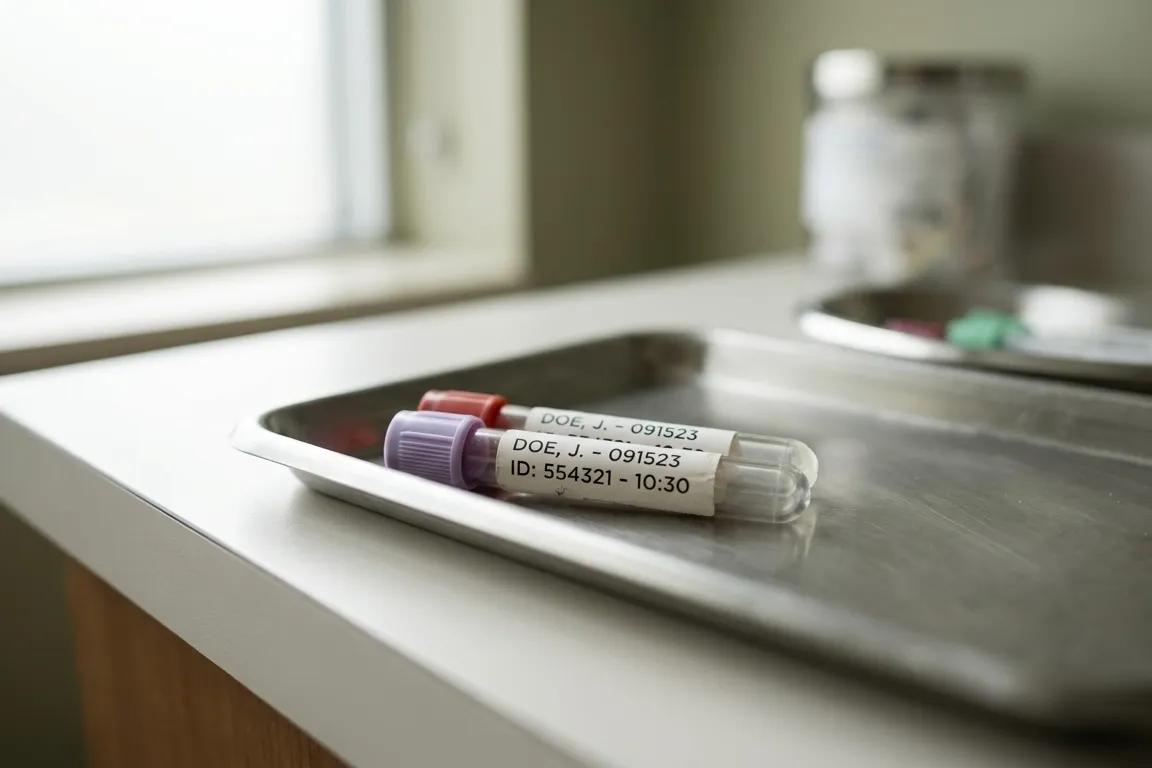
Lab work, including two early-morning testosterone measurements plus other markers a clinician needs.
A virtual visit with a licensed telehealth clinician in the client’s state.
A prescription only if it is appropriate, paired with a monitoring plan.
Here is a detail many men miss. Testosterone is a Schedule III controlled substance. Through December 31, 2026, telehealth clinicians can prescribe it without an initial in-person visit, as long as there is a legitimate medical purpose and state law allows it (HHS, 2026). That flexibility is temporary, permanent rules are still pending, and the requirements can change. Any provider claiming online access will never require an in-person visit is overstating what the law guarantees.
A credible provider gathers a detailed history, reviews current medications and other conditions, talks through fertility, and sets up ongoing monitoring before anyone starts testosterone therapy. An online questionnaire on its own is not enough to determine eligibility.
What Doctors Want Clients to Know
Testosterone is real medicine, not a vitamin subscription, and it belongs with a provider who can see the whole picture. The hormone does not exist in isolation. It connects to cardiovascular health, prostate health, sleep, mental health, metabolism, and fertility.
Two outdated ideas cause trouble. One is that testosterone therapy is only for older men. The other is the opposite error, treating it as a lifestyle upgrade anyone can grab. The truth sits in the middle. At its core, it is treatment for a confirmed deficiency, and any use beyond that should be guided by a provider.
Other conditions can drag testosterone down on their own. Obesity, sleep apnea, diabetes, and chronic illness are often linked to lower testosterone, and in some men, treating the underlying problem brings levels back up without any prescription. Sleep, training, alcohol intake, and body composition all play a part. Testosterone therapy works alongside those habits. It does not replace them.
The Risks and Side Effects of TRT
Testosterone can be managed safely for many men when it is monitored, and that last word carries the weight. Individual risk varies, and it is kept in check only with regular bloodwork from a provider who stays involved.
The most common concern is a rise in red blood cell levels. Clinical guidelines call for lowering the dose or removing some blood if those levels climb too high (Bhasin et al., 2018). Elevated red blood cell levels are common enough on testosterone therapy that providers recheck them on a set schedule (Neidhart et al., 2025). Blood pressure is another watch point. In February 2025, the FDA removed the old cardiovascular boxed warning after the TRAVERSE results and added a new warning about increased blood pressure across testosterone products (FDA, 2025).
Fertility is the risk that gets undersold. Testosterone signals the body to suppress its own testosterone and sperm production. Sperm counts usually recover within six months to a year after stopping, but recovery is not guaranteed, especially with long-term use, high doses, or older age. Men who want children later should raise this before starting, and some avoid testosterone entirely until their family is complete.
Other possible effects include acne, fluid retention, breast tissue growth, and mood changes. Product labels also note risks tied to misuse, sleep apnea, prostate changes, and, in some cases, depression or suicidal thoughts. None of these are reasons for panic. They are reasons that monitoring matters, that the decision is worth weighing with a clinician, and that a provider who prescribes once and disappears is the real danger.
That is the whole case for choosing carefully. The best online TRT provider is, in a sense, the one that makes treatment hardest to get for the wrong reasons: it insists on labs, ties them to symptoms, checks the full health history, and keeps watching after the first prescription. Judge a provider by what it refuses to skip.
Disclaimer: This blog post is intended for informational purposes only and should not be considered medical advice. Always consult a healthcare professional before making changes to your health routine.
FAQs
What makes an online TRT provider legitimate?
A legitimate online TRT provider confirms low testosterone on two early-morning blood tests, ties that result to documented symptoms, and reviews full medical history before prescribing. It also sets up ongoing monitoring. A site that promises a prescription for signing up, or skips bloodwork, is a warning sign.
How much does online TRT cost per month?
Most online TRT runs $99 to $250 a month all-in, while membership-only fees often start near $49 and exclude medication and labs. Injectable testosterone is the cheapest medication at roughly $20 to $100 a month. Over a year, cash-pay treatment commonly totals $1,500 to $3,000 or more.
Can someone get a TRT prescription online without bloodwork?
No. Testosterone is a Schedule III controlled substance, and a credible provider will not prescribe it without lab confirmation and a clinical evaluation. Through December 31, 2026, telehealth clinicians can prescribe without an initial in-person visit where state law allows, but the lab and evaluation requirements still apply.
Does online TRT affect fertility?
Yes. Testosterone suppresses the body's own production of testosterone and sperm, which can lower fertility while on treatment. Sperm counts usually recover within six months to a year after stopping, though recovery is not guaranteed with long-term use or high doses. Men planning children should ask about fertility-preserving options before starting.
Is testosterone therapy safe for the heart?
The evidence is mostly reassuring on major cardiac events. The TRAVERSE trial followed more than 5,000 men at high cardiovascular risk and found no increase in major cardiac events versus placebo, though it did see more cases of irregular heartbeat and blood clots, so heart and clotting risk should be reviewed individually. In 2025, the FDA removed the old cardiovascular boxed warning and added a warning about increased blood pressure, so monitoring still matters.
What testosterone level is considered low?
Medical groups confirm a low testosterone level on two separate early-morning blood tests, and the exact cutoff varies between groups. Confirming low testosterone takes both a low result and matching symptoms, interpreted by a clinician, never a number on its own.
Does insurance cover treatment from an online TRT provider?
Sometimes, but most online TRT is cash-pay. Insurance may cover treatment when strict criteria are met, usually low levels confirmed on more than one blood test plus documented symptoms, and often with prior authorization. Traditional in-person practices are more likely to bill insurance than direct-to-consumer telehealth platforms.
References
More from Marek Health




Your biology has answers.
Custom labs, a dedicated care team, and treatment built on your biology, not guesswork. One program, built around you.
HIPAA compliant · We never sell your data