


Alcohol On TRT: What's Safe And What Fails Protocols
Yes, you can drink alcohol on TRT, but the rules change once your testosterone is exogenous. See what's safe, what raises estradiol, and how to drink smart.
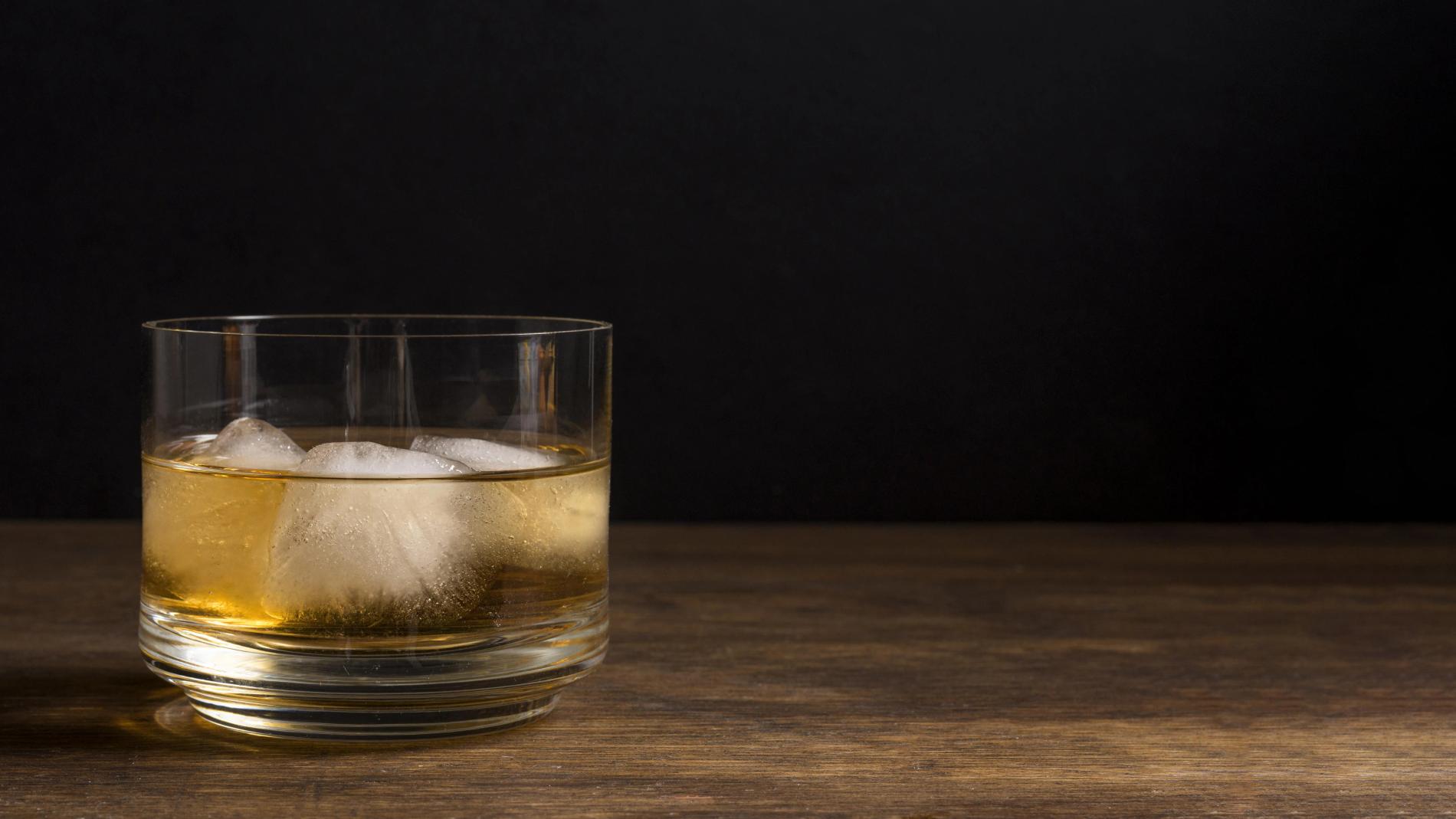
Most guys on testosterone replacement therapy can have one or two drinks a few nights a week without sabotaging their protocol. Heavy drinking is where the real damage happens, and the reasons aren't what most online forums get right.
Drinking alcohol on TRT becomes a problem once weekly intake crosses into heavy territory. The CDC defines heavy drinking as 15 or more drinks per week for men (CDC, 2025). At that level, alcohol may increase aromatase activity, disrupt REM sleep, raise cortisol, and add workload to a liver already processing exogenous hormones.
Most guys swing between two extremes. Some turn into hermits over one beer at dinner. Others tear through three-day bachelor parties and wonder why their next bloodwork comes back outside their normal range. Neither works.
This article won't cover alcohol use disorder. That's a conversation for a prescribing provider, not a blog. What it does cover is how alcohol behaves inside a body running exogenous testosterone, where the real risk lines are, and how to handle Friday night without acting weird about it.
One more thing before we get into it. This guidance does not apply if you have liver disease, alcohol use disorder, sleep apnea on CPAP, or take medications that interact with alcohol. In those situations, the right answer may be zero. Your prescribing provider should make that call, not a blog.


Why TRT Doesn't Get a Free Pass on Alcohol
Quick reality check. Being on TRT changes the math, but doesn't erase it. Your body is already running exogenous testosterone, balancing estrogen, and keeping the rest of your hormone cascade somewhere reasonable. Add alcohol and you stack metabolic demands on the same systems.
Most forums repeat the same wrong line. The standard advice that "alcohol doesn't matter on TRT because your testosterone is exogenous" is half-right at best. Testosterone production isn't the concern once you're on therapy. Everything downstream of it is.
The flip side is just as bad. Treating every social drink like a protocol crisis builds anxiety that does more damage than the drink itself. Chronic worry pushes cortisol up, and elevated cortisol may blunt the same TRT benefits people are trying to protect. That's why most common questions guys ask in their first year on TRT miss the bigger lifestyle picture and fixate on dosage alone.
Middle ground exists. You just have to know what's actually happening when you drink.
How Does Alcohol Affect Testosterone, Estrogen, and Sleep on TRT?
Alcohol hits four systems that matter on TRT: aromatase, sleep, cortisol, and liver function.
Aromatase converts testosterone into estrogen. Alcohol may push aromatase activity up, meaning more of the testosterone you're injecting could shift toward estrogen. For guys already running high on estrogen, this is where bloating, mood changes, and nipple sensitivity may show up after a heavy weekend.
Sleep is the bigger issue most TRT content underplays. A 2024 systematic review in Sleep Medicine Reviews of 27 studies found that even low doses (around 2 standard drinks) reduce REM sleep duration and delay REM onset (Gardiner et al., 2024). Higher doses make it worse. Disrupted sleep, including reduced REM, may interfere with the general recovery and wellbeing patients pursue with testosterone therapy.
Cortisol rises during alcohol metabolism. Sustained elevation may interfere with how the body responds to testosterone, so two systems can end up working against each other.
Your liver processes both alcohol and testosterone metabolites. Chronic alcohol exposure damages the same pathways involved in steroid hormone clearance, which is why providers monitor liver function during TRT. One night isn't a crisis. Three-night weekends, every weekend, is.


5 Rules for Drinking Smarter on TRT
Practical playbook. Not perfection, just better decisions.
Avoid heavy drinking on injection days. Whatever your cadence, give your body one task at a time. Drink on off-days when possible.
Stay well below the CDC's heavy-drinking line and spread your drinks out. Several lighter nights beat one heavy night. The right ceiling depends on your health history, labs, and medications, so let your prescribing provider help you set a personal target.
Match every drink with water. Alcohol is a diuretic. Hydration affects hormone clearance, recovery, and how you feel the next morning. One glass of water between drinks. Every time.
Pick spirits over beer when possible. Beer carries phytoestrogens from hops that may push estrogen slightly higher in some men. Spirits with soda water tend to keep aromatase pressure lower. The effect is small, but it can add up over months.
Track how you feel for 72 hours after. Real notes, not vibes. Energy, sleep quality, libido, mood. Patterns show up faster than you think.
Quality beats quantity every single time. Two drinks you actually enjoy will always beat six you finished because they were there. And these are starting points, not personalized advice. Your prescribing provider can adjust the playbook around your protocol and history.
How Do You Handle the "Why Aren't You Drinking?" Question?
This trips up more guys than the drinking itself. You're out with the group, stop at two, and someone notices.
You don't owe anyone an explanation for medical decisions. But having a line ready beats the awkward pause. "Early gym session" works. So does "I'm pacing myself." Most people don't actually care. They're making conversation.
Some guys are fully open about being on testosterone therapy. Others keep it private. Both are fine. Pick the version that fits your life.
The harder part is internal. Watching friends get progressively louder while you stay clear can feel isolating. The trade-off becomes obvious the next morning when they're hungover and you're not.
What About Weddings, Bachelor Parties, and Golf Trips?
The destination wedding. The annual fishing trip. Three days in Vegas for your brother's bachelor party. These aren't theoretical.
Three options:
The planned deviation. Accept you'll feel rough for a week and decide it's worth it. Sometimes it is.
The moderation route. Be present, participate, stop two or three drinks before everyone else does.
The sober-ish play. Don't drink at all and discover you can still have fun without it. Most guys are surprised by how well this works.
None of these is wrong. What's wrong is sleepwalking into the weekend on autopilot, then beating yourself up Monday.

Reading the Signals Your Body Is Giving You
Pay attention to data, not feelings about feelings. Did four beers Friday tank your energy through Tuesday? Did two glasses of wine with dinner have zero effect? Useful information.
If you're consistently feeling off, your libido drops, or training stalls, alcohol may be playing a bigger role than your weekly count suggests. Get bloodwork. Standard hormone and liver-function panels can show what subjective experience can't. A full pre-TRT lab panel gives you the baseline data your gut feel won't.
If those numbers drift, the fix isn't always more medication. Sometimes it's pulling back on alcohol.
Drinking, TRT, and the Perfection Trap
TRT is a tool. It's not a religion.
The point of better energy, mood, and recovery is to live a life worth living. That includes weddings, beers with old friends, and the occasional whiskey on a Tuesday because the day called for it.
The guys who do well on therapy long-term aren't the ones with perfect protocols. They're the ones who figured out how to build it into a real life without making it the center of their identity.
Your hormone levels matter. So do your relationships. Find the version that holds both.
How Do You Actually Build a Drinking Plan That Works?
Start with three weeks of honest tracking. Drinks per night, what you drank, how you felt the next two days. No editing the numbers later.
Look for your threshold. It shows up at a different point for everyone. Under it, you bounce back. Over it, days go foggy.
Adjust from there. Maybe beer bloats you now but spirits don't. Maybe wine puts you out cold but cocktails wreck sleep. Maybe drinking just doesn't add what it used to. All useful answers.
Understanding what your testosterone numbers actually mean helps too. It's hard to make smart adjustments when you don't know what your bloodwork is telling you. Your provider can walk you through it.
This isn't about giving things up. It's about figuring out what's adding value versus what's running on old habits.
The Final Word on Alcohol on TRT
Drinking alcohol on TRT isn't the binary choice most guys make. You can stay on protocol and go to happy hour. You can have a strong therapy outcome and still get rowdy at your brother's wedding. The two aren't in conflict unless you let them be.
Your protocol should fit your life. If you're losing sleep over whether one beer will crash your numbers, that stress is doing more harm than the beer ever would. Pick an approach you can hold for years, not weeks. The guys who win at testosterone replacement therapy long-term are the ones who figured this out with their provider, not by themselves.
Disclaimer: This blog post is intended for informational purposes only and should not be considered medical advice. Always consult a healthcare professional before making changes to your health routine.
FAQs
Can you drink alcohol on TRT?
Yes, light to moderate drinking generally does not interfere with TRT for most men. One or two drinks a few nights a week sits well within commonly cited safe ranges. Heavy drinking, defined by the CDC as 15 or more per week for men, is where hormone balance, sleep quality, and liver health may start showing strain.
How much alcohol is too much on TRT?
There is no universal safe number for alcohol on TRT. A 2024 review of 27 sleep studies found that even 2 standard drinks reduce REM sleep duration, so the volume that affects you may be well below the CDC heavy-drinking line of 15 per week for men. Your prescribing provider can help you set a personal limit based on your bloodwork, medications, and overall health.
Does drinking alcohol on TRT raise estrogen?
Yes. Alcohol may increase aromatase activity, the enzyme that converts testosterone into estrogen. On TRT, where injected testosterone is already elevated, this can shift more testosterone toward estrogen and trigger symptoms like bloating, mood changes, and nipple sensitivity in some men. Heavier drinkers often benefit from follow-up bloodwork to catch the shift early.
Will alcohol cancel out TRT benefits?
Not at moderate intake, but heavy or chronic drinking can blunt the gains TRT often supports. Disrupted sleep alone can undercut the general recovery and wellbeing patients pursue with testosterone therapy. Cortisol elevation, estrogen conversion, and added liver workload may stack against you when intake stays high week after week.
Should I avoid alcohol on injection days?
For most TRT protocols, this is smart but not strict. Heavy drinking on the same day you inject puts the liver in front of two demanding tasks. Whatever your injection cadence, drinking on off-days when possible may give your body more room to process one thing at a time. The bigger lever is total weekly intake, not the timing of any single drink.
What labs should I check if I drink while on TRT?
A standard hormone and liver-function panel can show what alcohol may be doing under the hood. Retesting cadence varies by provider and protocol, so let your prescribing provider set the right schedule for you. If your bloodwork trends in the wrong direction, that's a conversation to have with your provider about cutting back.
References
More from Marek Health



Your biology has answers.
Custom labs, a dedicated care team, and treatment built on your biology, not guesswork. One program, built around you.
HIPAA compliant · We never sell your data