


What Is Vaginal Dryness: Causes, Treatments, And Relief
Vaginal dryness affects nearly half of postmenopausal women, yet most don't seek help. Learn what causes it, which treatments work, and how to find relief.

Vaginal dryness is one of the most common symptoms women experience during perimenopause and after menopause, and it's also one of the least discussed. A 2024 systematic review and meta-analysis of 321 studies covering 482,067 women found a vaginal dryness prevalence of 44.81% in postmenopausal women (Fang et al., 2024). That's nearly one in two.
And the real number is likely higher, because many women never bring it up with their providers. For women exploring personalized health optimization, understanding vaginal dryness and its impact on sexual health is a starting point for getting the right support.
Vaginal dryness is a condition in which declining estrogen levels cause the vaginal tissue to thin, lose moisture, and become more prone to irritation, discomfort, and infection. It's a core feature of genitourinary syndrome of menopause (GSM), a term adopted in 2014 by the International Society for the Study of Women's Sexual Health and The North American Menopause Society to replace the older label "vulvovaginal atrophy" (Portman & Gass, 2014).
GSM typically doesn't resolve on its own. Unlike hot flashes, which may ease over time, GSM symptoms tend to persist and may worsen without treatment in many women (Portman & Gass, 2014).
This article won't cover every off-label remedy floating around online. What it will cover: the root cause, the treatments backed by clinical guidelines, and how to figure out which option fits your situation, with your provider's help.


What Is Vaginal Dryness and Why Does It Happen?
Estrogen keeps the vaginal lining thick, elastic, and naturally lubricated. It also supports the growth of protective bacteria that guard against infection.
During perimenopause, estrogen levels start to fluctuate and eventually drop. The tissue lining the vagina thins (a process sometimes called vaginal atrophy or atrophic vaginitis), and natural moisture decreases. The bladder and urethra lose structural support too, which can lead to urinary urgency and recurrent UTIs.
The same Fang et al. meta-analysis found that 21.16% of premenopausal women already report vaginal dryness, meaning symptoms can start well before menopause (Fang et al., 2024).
It's not just a menopause issue, either. Breastfeeding, certain cancer treatments, and surgical removal of the ovaries can lower estrogen and contribute to vaginal dryness. Some medications, including antihistamines and SSRIs, can also cause or worsen dryness through other mechanisms at any age.
What Does Vaginal Dryness Actually Feel Like?
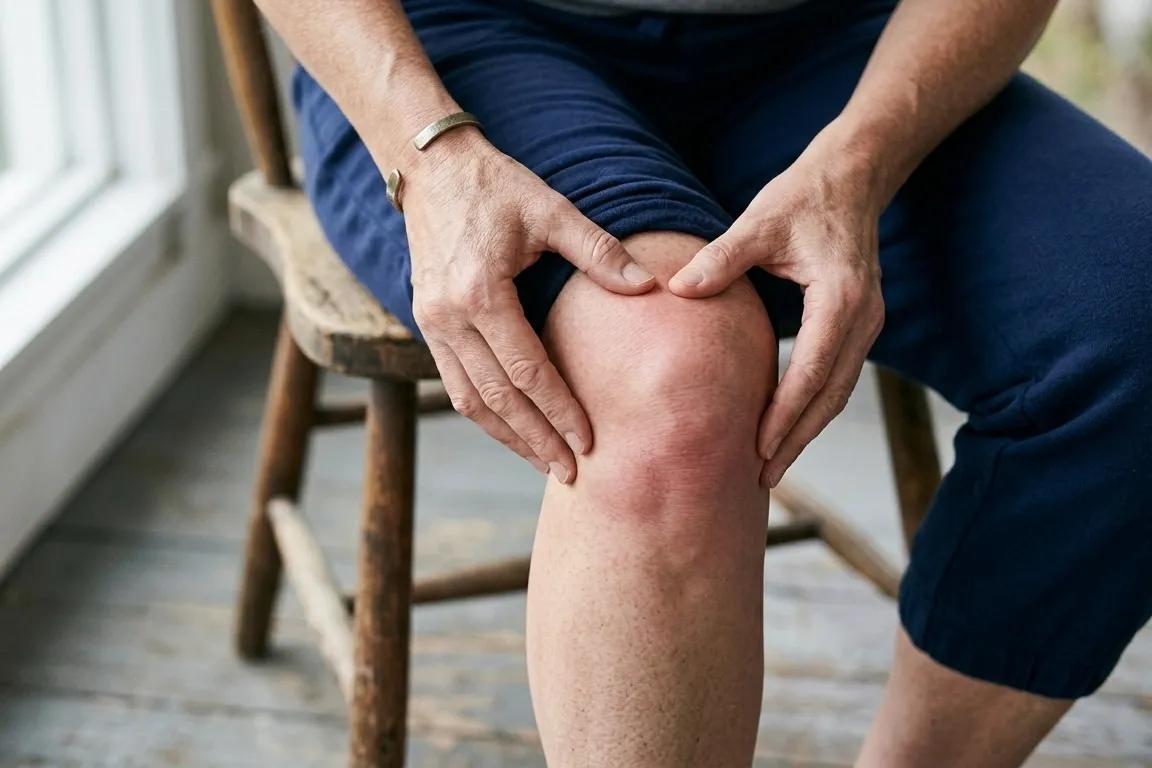
The most common descriptions from clinical literature and patient-reported outcomes: soreness, itching, a raw or burning sensation, and pain during intercourse. Some women report discomfort just sitting for long periods or wearing certain clothing. The 2025 AUA/SUFU/AUGS guideline reports that up to 84% of women experience symptoms consistent with GSM (AUA, 2025).
Providers commonly report that even women already on systemic HRT still deal with vaginal symptoms. Systemic hormone therapy may not always resolve vaginal symptoms fully, as individual tissue response and the degree of atrophic changes can vary.
The tissue becomes less flexible. Micro-tears can happen during sex or even with tampon use. Scratching irritated skin makes the inflammation worse, and recurrent yeast infections become more common.
It's a cycle that can compound if left untreated, and one that providers who specialize in women's hormone health see routinely. Because other conditions can cause similar symptoms, including infections and skin conditions such as lichen sclerosus, a provider evaluation is an important first step before beginning treatment.

How Is Vaginal Dryness Treated?
The 2025 AUA/SUFU/AUGS guideline on GSM, endorsed by both the International Society for the Study of Women's Sexual Health and The Menopause Society, is clear: low-dose vaginal estrogen is the front-line recommendation for vulvovaginal dryness (Moderate Recommendation, Evidence Level Grade B) (AUA, 2025).
A regulatory shift matters here: in November 2025, the FDA announced the removal of the black box warnings from estrogen-containing menopausal hormone therapy products, including low-dose vaginal estrogen formulations (HHS, 2025). For vaginal formulations specifically, updated data confirmed minimal systemic absorption from these products.
Vaginal estrogen tablets and inserts. Products like Vagifem and its generic equivalents (estradiol vaginal tablets) are typically started on a daily schedule and then reduced to maintenance dosing. Your provider will determine the appropriate frequency based on your symptoms and response. Imvexxy is a newer low-dose estradiol insert that works on a similar approach.
Intrarosa (prasterone/DHEA) is another vaginal insert option that converts to both estrogen and testosterone locally and is FDA-approved for painful intercourse related to menopause.
Vaginal ring. Estring is a flexible silicone ring inserted into the vagina that releases a low, steady dose of estradiol over 90 days. A provider can place it, or you can insert and remove it yourself. Some women prefer it because there's no daily or weekly routine to remember.
Non-hormonal prescription option. Ospemifene (Osphena) is an oral SERM option for some women who can't or prefer not to use vaginal estrogen, but it's not appropriate for everyone. It carries specific precautions, including considerations for women with a uterus and those with clotting risk factors. Your provider will review your health history before recommending it.
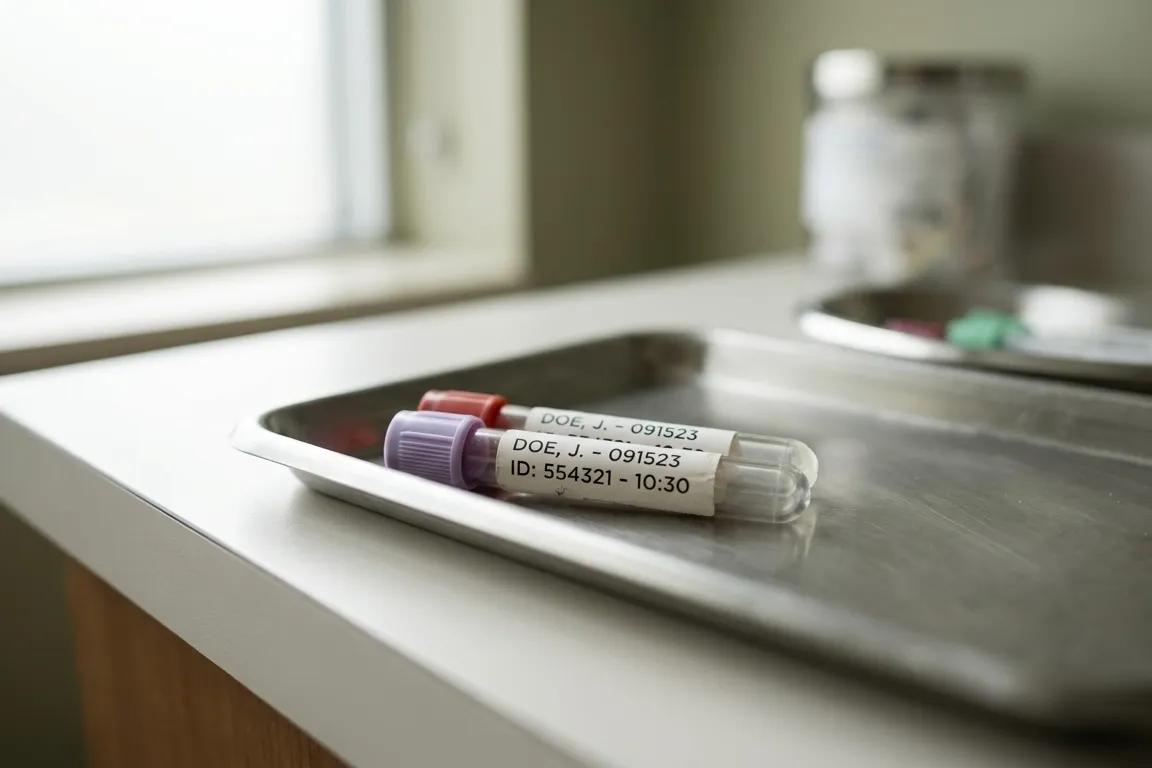
Your provider should help you determine the right option based on your lab results. This isn't a one-size-fits-all decision. Women with a history of hormone-sensitive cancers should discuss vaginal estrogen options with both their prescribing provider and their oncology team, as recommendations may differ based on individual cancer history and treatment status.

Do Moisturizers and Lubricants Help With Vaginal Dryness?
Yes, but they serve different purposes, and neither one addresses the underlying condition.
Vaginal moisturizers (like hyaluronic acid-based products) are applied on a regular schedule, typically every few days depending on the product. They hydrate the tissue and may reduce day-to-day discomfort. The 2025 AUA/SUFU/AUGS guideline recommends vaginal moisturizers and lubricants alone or in combination with estrogen therapy (AUA, 2025).
Lubricants are for intercourse only. They reduce friction in the moment but don't address the underlying tissue changes of GSM. If you're using condoms, stick with water-based lubricants, because oil-based formulas can break down latex.
Most articles won't say this directly: too many women are told moisturizers and lubricants are "enough." For mild symptoms, they might be. But for GSM with tissue thinning and recurrent UTIs, relying on OTC products alone doesn't address the root cause.
Untreated GSM is associated with a higher risk of recurrent urinary tract infections, which in some older women can lead to serious complications including hospitalization.
Are Laser Treatments Effective for Vaginal Dryness?
Energy-based devices (vaginal lasers) are heavily marketed, but clinical evidence supporting them remains limited compared to vaginal estrogen. The 2025 AUA/SUFU/AUGS guideline does not recommend them as a front-line treatment for GSM (AUA, 2025). Any woman considering laser treatment should discuss the available evidence with her provider before proceeding.


Can HRT Help With Vaginal Dryness?
Systemic HRT (pills, patches, gels) may improve vaginal dryness for some women, and guidelines generally support combining systemic HRT with local vaginal estrogen. Some women benefit from using both. If you're already on HRT and still dealing with dryness, that doesn't mean HRT isn't working.
It likely means your vaginal tissue needs direct estrogen support in addition to what you're getting systemically. A provider who understands hormone optimization protocols can help determine the right combination based on bloodwork and symptoms.
How Long Until Vaginal Dryness Symptoms Improve?
Many women begin to notice symptom improvement within several weeks of consistent use. Clinical guidelines generally suggest evaluating treatment response after approximately three months.
Some women respond better to estradiol-based products; others may do better with DHEA-based options like Intrarosa. Response can vary, and finding the right fit sometimes takes trial and error. If vaginal estrogen has been used consistently for three months without relief, it's time to talk to a provider.
The symptoms could be related to another condition that needs separate evaluation.
GSM is a long-term condition, and vaginal estrogen is typically a long-term commitment. Symptoms may return if treatment is discontinued, which reflects the underlying hormonal cause rather than treatment failure. Whether to continue long-term is a decision to make with your provider based on your symptoms, preferences, and health profile.
Working with a personalized telehealth provider makes the ongoing management simpler.
Disclaimer: This blog post is intended for informational purposes only and should not be considered medical advice. Always consult a healthcare professional before making changes to your health routine.
FAQs
Does vaginal dryness always mean menopause?
No. While declining estrogen during perimenopause and menopause is the most common cause, vaginal dryness can also result from breastfeeding, cancer treatments, or surgical removal of the ovaries. Some medications, including antihistamines and SSRIs, can also cause or worsen dryness through other mechanisms. A 2024 meta-analysis found that 21.16% of premenopausal women already report vaginal dryness.
Is vaginal estrogen safe to use long-term?
Current clinical guidelines support long-term use of low-dose vaginal estrogen. Systemic absorption is minimal with local formulations. In November 2025, the FDA announced the removal of the black box warnings from estrogen-containing menopausal hormone therapy products, including vaginal formulations, reflecting updated safety data. A provider can help assess whether it's appropriate based on individual health history.
What's the difference between a vaginal moisturizer and a lubricant?
Moisturizers hydrate vaginal tissue and are applied on a regular schedule, typically every few days, for ongoing comfort. Lubricants reduce friction during intercourse but don't address underlying tissue changes. For mild symptoms, either may help. For GSM with tissue thinning, vaginal estrogen is the guideline-recommended treatment.
Can I use vaginal estrogen if I'm already on HRT?
Guidelines generally support combining systemic HRT with local vaginal estrogen. Some women benefit from using both. The 2025 AUA/SUFU/AUGS guideline supports this approach. Your provider can help determine the right combination.
Are laser treatments effective for vaginal dryness?
Energy-based devices (vaginal lasers) are heavily marketed, but clinical evidence supporting them remains limited compared to vaginal estrogen. The 2025 AUA/SUFU/AUGS guideline does not recommend them as a front-line treatment. Discuss the evidence with a provider before pursuing this option.
Can untreated vaginal dryness lead to other health problems?
GSM symptoms tend to persist and may worsen without treatment. Untreated vaginal dryness is associated with a higher risk of recurrent urinary tract infections, painful intercourse, and decreased quality of life. In some older women, recurrent UTIs can lead to serious complications including hospitalization.
How long does it take for vaginal estrogen to work?
Many women begin to notice symptom improvement within several weeks of consistent use. Clinical guidelines generally suggest evaluating treatment response after approximately three months. If symptoms haven't improved after three months, a provider should evaluate whether another condition may be contributing.
References
More from Marek Health



Your biology has answers.
Custom labs, a dedicated care team, and treatment built on your biology, not guesswork. One program, built around you.
HIPAA compliant · We never sell your data