


How TRT Supports Grip Strength Recovery On Therapy
TRT and grip strength recovery on therapy may speed healing for men with low testosterone. See how TRT supports muscle repair and what the research shows.

Grip strength is among the physical measures that can decline when testosterone drops below clinical thresholds. For men with diagnosed testosterone deficiency, TRT and grip strength recovery on therapy is a growing area of clinical research. A 2024 retrospective study at Singapore General Hospital found that patients receiving testosterone replacement therapy or oxandrolone during rehabilitation improved grip strength by an average of 4.2 kg, a 24.9% gain, within just two weeks (Pang et al., 2024). Four of five patients in that study were biochemically hypogonadal, and all but one reached full functional independence within three months of discharge.
Men working with a hormone health provider to address low testosterone may notice that grip strength, hand endurance, and forearm function improve alongside more commonly discussed benefits like energy and body composition.


What Happens to Grip Strength When Testosterone Drops?
Testosterone contributes to skeletal muscle protein synthesis and satellite cell activation. When levels fall, muscle fibers lose their repair capacity at a measurable rate. Grip strength depends on forearm flexor muscles under constant daily load, so it tends to decline before larger muscle groups show obvious weakness.
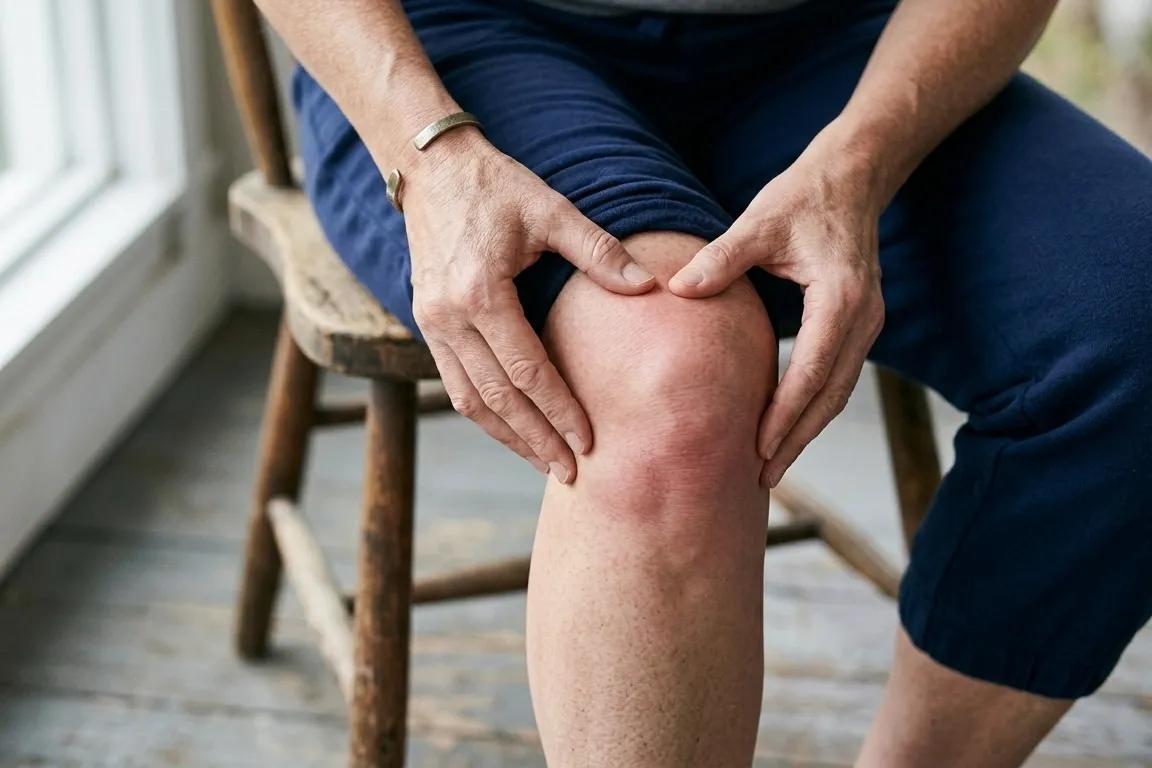
The signs of low testosterone don't always begin with low libido or weight gain. For men who work with their hands or train regularly, weakened grip, difficulty holding tools, and slower recovery between sessions can appear early.
A 2023 meta-analysis in Gerontology pooled 13 randomized controlled trials involving 2,043 men over 60 with low-to-low-normal testosterone (Lee et al., 2023). TRT improved overall muscle strength with a Hedges' g of 0.21 (95% CI: 0.15 to 0.28), a small but statistically significant effect. Results were strongest in men with the lowest baseline testosterone, and intramuscular administration outperformed topical formulations.
How Does TRT Support Muscle and Grip Recovery?
A 2026 narrative review in Cureus examined 25 studies on TRT and musculoskeletal recovery (Olivares Casas et al., 2026). The review found that testosterone promotes muscle adaptation through androgen receptor signaling and pathways like AKT-mTORC1 and insulin-like growth factor-1 (IGF-1), while suppressing catabolic regulators such as myostatin.
Testosterone also plays a role in collagen turnover, bone formation, and tendon remodeling. For men recovering from injuries, these mechanisms may help explain why TRT before and after improvements may extend beyond lean mass gains to include functional markers like grip.
The Singapore General Hospital study aligns with this direction. Patients received TRT or oxandrolone for two weeks during acute rehabilitation. Grip strength rose by 24.9% on average, and functional walking distance also improved. None of the subjects experienced serious adverse events.

What One Patient's Recovery Looked Like
One case illustrates how TRT and grip strength recovery on therapy can play out in a real-world setting. A man nearing 40 with two decades in the electrical industry noticed his grip failing during routine tasks at work. Fatigue, poor concentration, and constant exhaustion followed for months.
Lab work confirmed low testosterone alongside elevated estrogen. His provider prescribed testosterone injections along with a medication to manage his elevated estradiol.
Within weeks, his energy returned. Then a workplace accident crushed his forearm and bicep. His doctor expected months of recovery for someone his age. The client was cleared to remove his sling after four weeks and began light resistance training shortly after. His physician was surprised by the pace.
This is one person's experience, not a controlled trial. But the timeline is broadly consistent with mechanistic research suggesting that restoring testosterone to physiologic levels may support tissue repair processes.
Monitoring and Safety on TRT
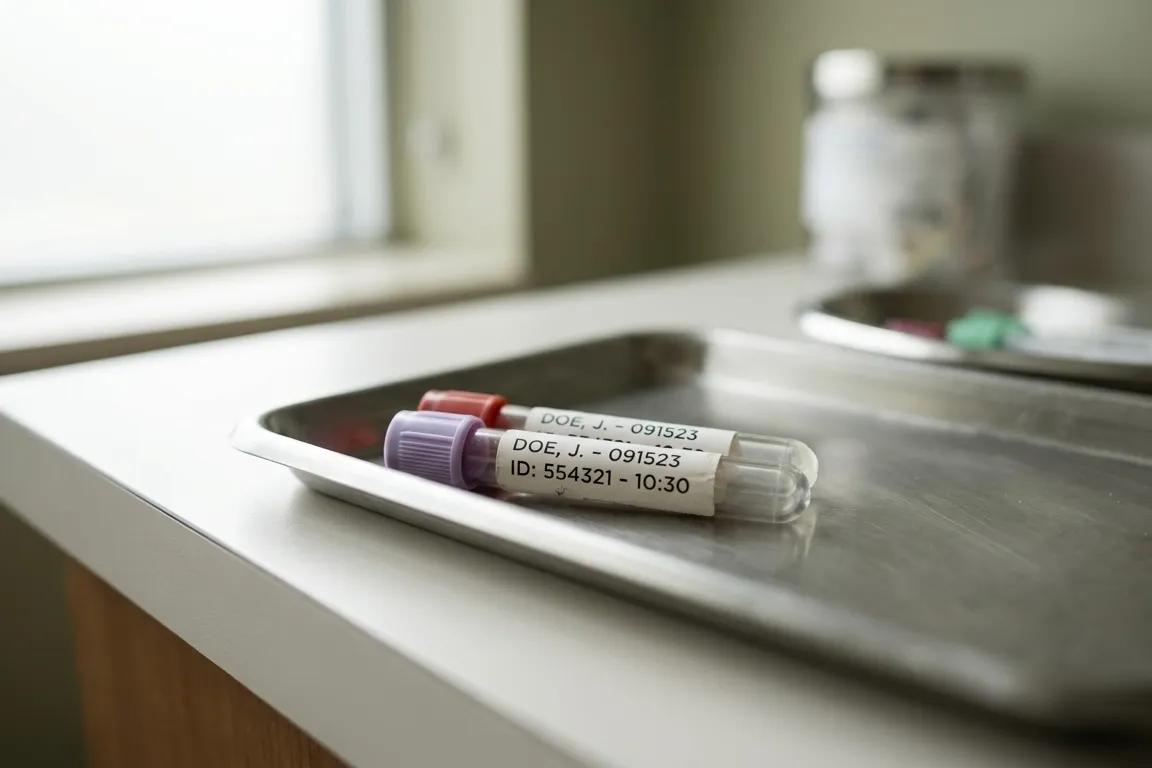
TRT is a prescription treatment for diagnosed hypogonadism, not a performance supplement. The Endocrine Society's 2018 guideline recommends it only after confirmed low testosterone plus clinical symptoms, verified through two separate early-morning blood draws (Bhasin et al., 2018).
The TRAVERSE trial followed 5,246 men and found no increase in major adverse cardiac events (7.0% testosterone vs. 7.3% placebo). The FDA incorporated these findings in February 2025, removing the cardiovascular boxed warning while adding a blood pressure warning (FDA, 2025).
Regular lab monitoring remains a requirement. Hematocrit management matters because a 2025 retrospective study found that roughly 23% of men on TRT developed elevated hematocrit, and 5% reached levels that may prompt dose adjustment or therapeutic phlebotomy (Neidhart et al., 2025). Follow-up labs at 3 to 6 months initially, then every 6 to 12 months, is the standard protocol per AUA and Endocrine Society guidelines.
The evidence on TRT and grip strength recovery on therapy isn't yet strong enough to call TRT a proven grip-specific treatment. But the mechanistic data and early clinical results point in the same direction: restoring testosterone to normal levels in men with confirmed deficiency may create conditions that support faster muscle and grip recovery.
Disclaimer: This blog post is intended for informational purposes only and should not be considered medical advice. Always consult a healthcare professional before making changes to your health routine.
FAQs
Does TRT directly improve grip strength?
Research is mixed. A 2023 meta-analysis of 13 RCTs found that TRT improved overall muscle strength in older men with low testosterone, but grip strength specifically showed inconsistent results across individual studies. Men with the lowest baseline testosterone saw the largest gains.
How soon does grip strength recovery happen on TRT?
A small 2024 study at Singapore General Hospital recorded grip strength gains of 24.9% within two weeks of starting TRT or oxandrolone during rehabilitation. Individual timelines vary depending on baseline testosterone levels, injury severity, and treatment adherence.
Can TRT help with injury recovery?
Testosterone promotes protein synthesis, satellite cell activation, collagen turnover, and tendon remodeling. These mechanisms may support faster tissue repair in men with diagnosed testosterone deficiency. TRT is not a substitute for physical therapy or structured rehabilitation.
What testosterone level is considered low enough for TRT?
The AUA uses specific lab thresholds alongside clinical symptoms to determine candidacy. Evaluation requires two separate early-morning blood draws showing low levels, plus clinical assessment by a licensed provider.
Is long-term TRT safe?
The TRAVERSE trial (5,246 men) found no increase in major adverse cardiac events. The FDA removed the cardiovascular boxed warning in February 2025 but added a blood pressure warning. Risks include elevated hematocrit, acne, and potential fertility suppression. Regular lab monitoring is required.
Do all men on TRT see grip strength improvements?
No. Results depend on baseline testosterone levels, age, overall health, TRT formulation, and whether a structured exercise program accompanies therapy. Men with the lowest starting levels tend to see the most measurable improvement in strength markers.
References
More from Marek Health



Your biology has answers.
Custom labs, a dedicated care team, and treatment built on your biology, not guesswork. One program, built around you.
HIPAA compliant · We never sell your data