


TRT And Muscle Growth: How Much Should You Expect?
TRT and muscle growth are connected for men with low testosterone. Learn what the clinical evidence shows and whether therapy is right for you. Start today.

TRT and muscle growth do go together, but the realistic result is modest, not the overnight change that marketing tends to promise. In men with diagnosed low testosterone, testosterone replacement therapy is linked to gradual improvements in lean body mass over several months. How much a person gains depends on how low their levels were, how hard they train, and how much protein they eat.
For men with a confirmed deficiency, medically supervised hormone care treats the low testosterone itself, and muscle is one of several body-composition changes that can follow. Testosterone replacement therapy restores levels into a normal range. That's a different thing from the very high doses used by people chasing size, which carry serious risks covered later in this article.
Testosterone replacement therapy, or TRT, is a prescription treatment that restores testosterone in men with diagnosed hypogonadism. Because testosterone helps build and hold onto muscle protein, returning it to a normal range can improve lean body mass. For men with a real deficiency, that means steady, modest gains rather than the dramatic results sold in supplement and fitness ads.
One guardrail before going further. This article is about men with diagnosed low testosterone. Marek Health doesn't support starting testosterone purely for muscle building without a medical reason. Clinicians are seeing a rise in unsupervised, "underground" testosterone use, which raises the risk of serious problems in men who don't have a deficiency.


What is Testosterone Replacement Therapy?
Testosterone replacement therapy is a prescription treatment that restores testosterone in people with diagnosed low levels and matching symptoms. It can be given as injections, transdermal gels or creams, patches, or oral forms.
FDA-approved testosterone products are indicated for hypogonadism caused by a medical condition. They aren't approved for low testosterone due solely to aging, a limitation the agency kept in its 2025 labeling update (FDA, 2025). Guidelines from the Endocrine Society and the American Urological Association recommend therapy for men with a clear diagnosis (Bhasin et al., 2018; Mulhall et al., 2018). Compounded testosterone, by contrast, is not FDA-approved.
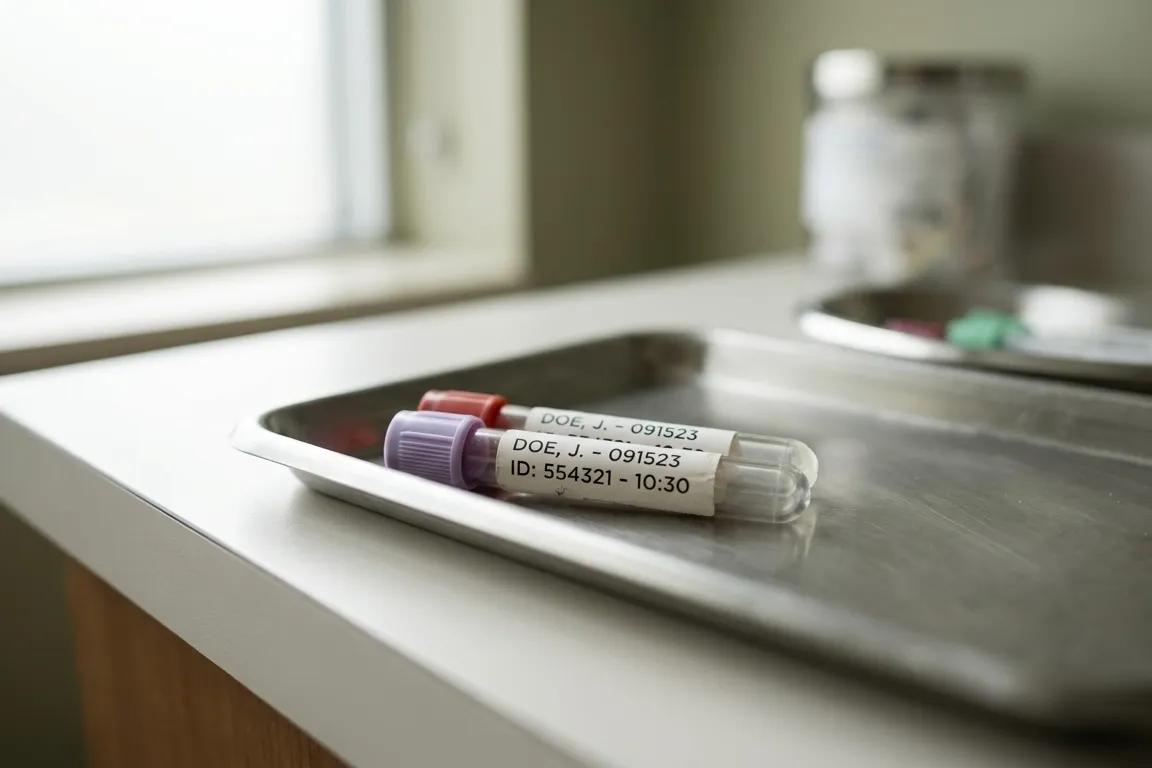
Diagnosis is the dividing line. It rests on symptoms and lab ranges together, not a single number, which is why understanding what hypogonadism is matters before any treatment starts.
Does TRT build muscle?
Generally, yes, for men with a diagnosed deficiency, though the effect is modest. The AUA guideline notes that therapy may improve lean body mass (Mulhall et al., 2018). Testosterone is thought to support muscle by helping the body build muscle protein and limiting its breakdown.
The honest answer to "how much" is less than the internet implies. Guidelines describe improvements in lean mass, not a bodybuilder's physique.
A 2024 case report offers a real-world example. Researchers tracked one trained 40-year-old man who combined therapy with frequent aerobic and strength training. His lean body mass increased noticeably over six months while body fat fell (Sanders et al., 2024). Because this was a single person, it can't be generalized, and the authors stressed that consistent exercise drove much of the change.
Two cautions on reading muscle numbers. Some early weight gain is water, not muscle. And the large gains people associate with testosterone usually come from very high doses taken outside medical care, not from therapy that aims for a normal range.

Why does low testosterone affect your muscle gains?
Men who start well below the normal range tend to see clearer lean-mass improvement than men whose levels are already normal. The reason is simple. If a study includes men who weren't deficient to begin with, therapy mostly shifts their levels around inside the normal range, so the muscle change stays small.
Correcting a real deficiency tends to produce a more noticeable response, though this varies. A man with diagnosed low testosterone may notice more change than someone with normal levels who takes testosterone anyway.
This is one more reason a diagnosis matters. Knowing the difference between free and total testosterone and recognizing the signs of low testosterone helps set realistic expectations before starting.
Does the type of TRT affect muscle growth?
The formulation can change the pattern of testosterone in the blood, but the choice is a clinical decision based on labs, symptoms, and lifestyle, not a shortcut to bigger muscles. Injections produce higher peaks and lower troughs between doses. Gels and creams give steadier daily levels. Oral forms behave differently again.
Whether one route builds more muscle than another isn't settled, and individual response varies. The practical comparison most men weigh is injections versus creams, along with the differences between testosterone esters such as cypionate and enanthate. Guidelines suggest using commercially manufactured products where possible (Mulhall et al., 2018).

How to build muscle on TRT
Therapy supports muscle. Training, protein, creatine, and sleep do the building. These are general principles, and the right plan for any individual depends on their health and is best set with a provider. For a man with diagnosed low testosterone, the same basics apply as for anyone trying to add muscle:
Train with resistance. Progressive, frequent lifting drives growth. Compound movements that work several muscle groups at once, like squats, deadlifts, presses, rows, and pull-ups, give the most return. In that single case, frequent aerobic and strength training accompanied the lean-mass gains (Sanders et al., 2024).
Eat enough protein. Building muscle takes more protein than the bare minimum, spread across the day. The detail on protein and resistance training is worth getting right, because training without enough protein leaves results on the table.
Consider creatine. Among supplements, creatine for muscle and strength is one of the better-studied options, and whether it suits you is worth discussing with your provider.
Rest and recover. Sleep quality and duration both track with muscle gain, and there is a ceiling on how much muscle the body can add in a given stretch. Long, exhausting sessions past the point of recovery work against that, not for it.
Why testosterone isn't a muscle-building shortcut
Testosterone is a controlled prescription medicine for diagnosed deficiency, not a muscle-building supplement, and using it without medical supervision is dangerous. It's FDA-approved only for hypogonadism caused by a medical condition, and it isn't approved for low testosterone from aging alone (FDA, 2025). As a Schedule III controlled substance, it requires a valid prescription and a real evaluation.
Unsupervised, high-dose use pushes levels far above normal and raises the risk of cardiovascular and other problems. Even monitored therapy needs follow-up. The TRAVERSE trial found similar rates of major adverse cardiac events between the testosterone and placebo groups, but higher rates of atrial fibrillation and pulmonary embolism in the testosterone group (Lincoff et al., 2023). Acting on those results, the FDA removed the older cardiovascular boxed warning and added a blood-pressure warning in 2025 (FDA, 2025).
Monitoring is part of doing this safely. Providers follow each patient with regular lab work and follow-up visits, tailored to the individual. Testosterone therapy can also suppress sperm production, and that effect varies between men and shouldn't be assumed reversible, so fertility on therapy is worth discussing first. Anyone considering a change should also understand stopping therapy safely.
If muscle loss and low-testosterone symptoms are the real issue, the right move is an evaluation and lab confirmation with a licensed provider. For men with diagnosed deficiency, TRT and muscle growth can go together as one part of restoring health, under medical care and longside training and good nutrition.
Disclaimer: This blog post is intended for informational purposes only and should not be considered medical advice. Always consult a healthcare professional before making changes to your health routine.
FAQs
Does TRT cause muscle growth?
In men with diagnosed low testosterone, TRT and muscle growth are connected. Therapy is associated with gradual improvements in lean body mass, though gains are modest and depend on training and protein. Individual results vary.
How much muscle can you gain on TRT?
Expect modest, gradual change rather than a dramatic one. Guidelines describe improvements in lean body mass, and one 2024 case report described a noticeable rise in lean mass in a man who trained frequently. Results depend on the individual.
Does TRT and muscle growth depend on having low testosterone?
Generally, yes. Men with a genuine deficiency tend to gain more lean mass than men whose testosterone is already normal, because therapy corrects a real shortfall rather than pushing levels around inside the normal range.
Does the type of testosterone affect muscle results?
The formulation changes the pattern of testosterone in the blood, but evidence that one route builds more muscle than another is mixed, and response varies by person. The choice between injections, creams, and other forms is made with a provider based on labs and lifestyle.
Is it safe to take testosterone just to build muscle?
No. FDA-approved testosterone is indicated for diagnosed hypogonadism, not for aging or muscle building. It's a controlled prescription medicine, and unsupervised high-dose use raises the risk of serious cardiovascular and other problems.
Did the TRAVERSE trial change testosterone safety advice?
The trial found similar rates of major adverse cardiac events between testosterone and placebo but higher rates of atrial fibrillation and pulmonary embolism in the testosterone group. The FDA updated labeling in 2025 to remove the cardiovascular boxed warning and add a blood-pressure warning.
References
More from Marek Health



Your biology has answers.
Custom labs, a dedicated care team, and treatment built on your biology, not guesswork. One program, built around you.
HIPAA compliant · We never sell your data