


Should You Try Natural Methods Before TRT? What To Know
Should you try natural methods before TRT? Compare lifestyle changes with testosterone therapy, see what the evidence shows, and book a testosterone test.

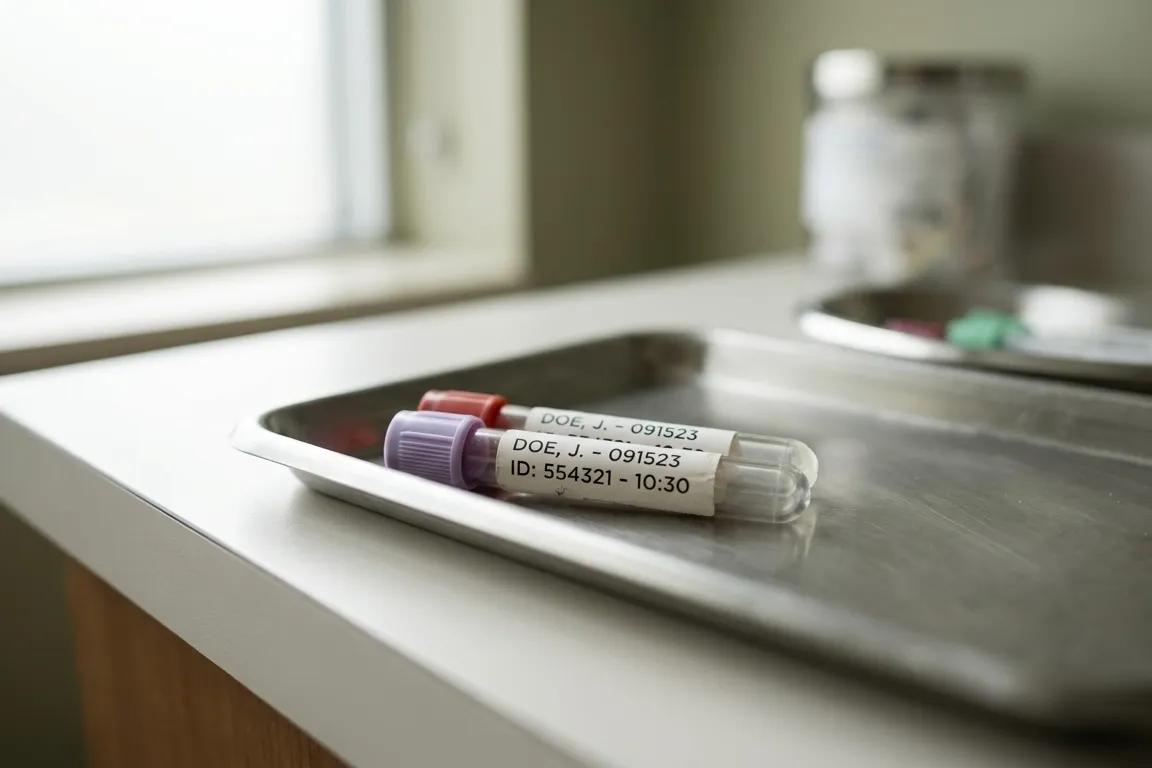
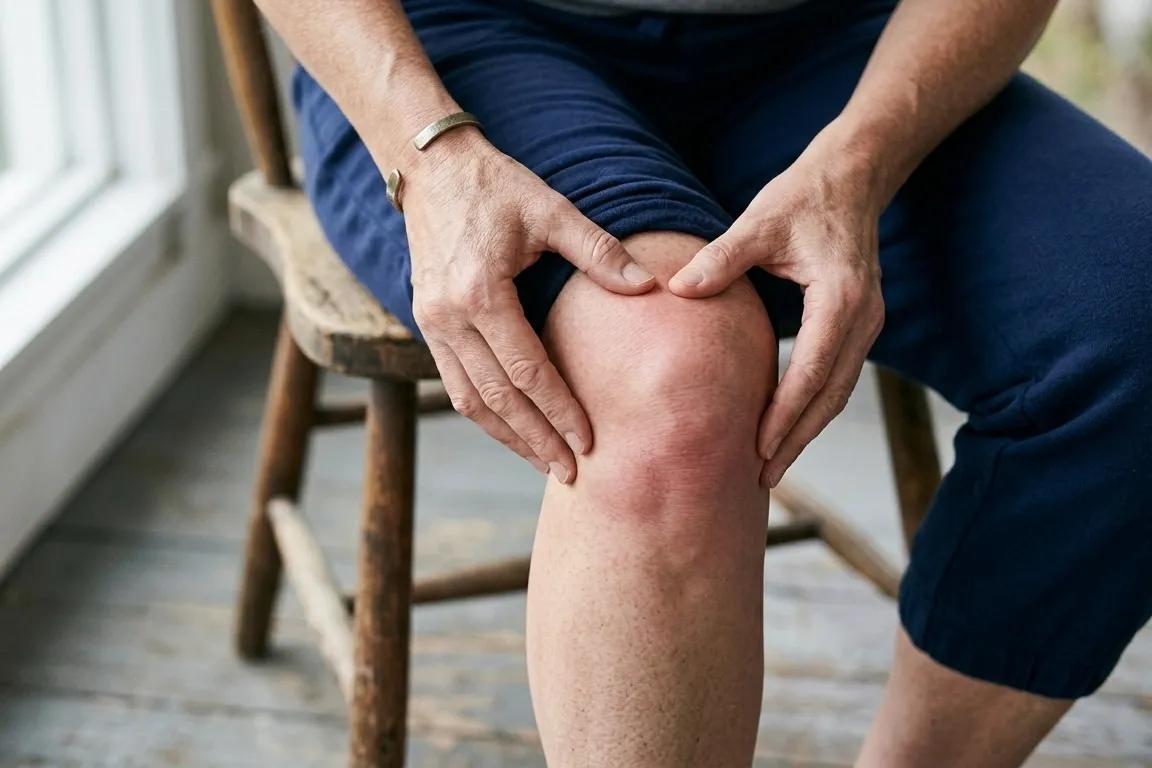
Whether you should try natural methods before TRT depends first on what your testosterone level and your symptoms actually show. Low energy, low libido, and low mood can come from low testosterone, but they can also come from excess weight, poor sleep, heavy drinking, or chronic stress. The starting point is a confirmed result, not a guess, so any decision about low testosterone treatment begins with a blood test and a clinical evaluation.
That difference matters, because replacement therapy and lifestyle changes address different problems. A supervised telehealth provider can order the right labs and read them in context first. When a reversible cause is driving symptoms, correcting it may be enough; when a confirmed deficiency is present, treatment may be appropriate through shared decision-making.
Clinical guidelines back trying lifestyle measures as part of care. The American Urological Association recommends that all men with testosterone deficiency be counseled on lifestyle modifications as a treatment strategy (Mulhall et al., 2018). Confirming the condition requires a low morning testosterone level plus symptoms, never a number on its own.


What is testosterone replacement therapy?
Testosterone replacement therapy is a prescription treatment used to raise testosterone toward a healthy level in men with a confirmed deficiency, under provider supervision. The FDA approves it only for low testosterone tied to an associated medical condition, not for low levels caused by aging alone (FDA, 2025).
It comes in several forms, including injections, gels, patches, pellets, and oral preparations. FDA-approved products meet federal standards for diagnosed hypogonadism, while compounded testosterone is not FDA-approved, so confirm it with the prescriber. In men with a confirmed deficiency, it may help symptoms such as low energy, low libido, low mood, and body-composition changes, though responses vary.
The Endocrine Society recommends it for symptomatic men after low levels are confirmed and favors shared decision making over routine treatment for age-related decline alone (Bhasin et al., 2018).

Natural ways to support testosterone
For some men, lifestyle changes can raise testosterone, mainly when excess weight or poor habits are involved. Excess body fat may increase conversion of testosterone to estrogen, which can lower testosterone in some men. In men with overweight or obesity, weight loss through diet and activity is associated with higher testosterone and lower estrogen, though the increase from non-surgical weight loss is generally modest (Corona et al., 2013).
The measures with the most support are weight loss, regular resistance training, adequate quality sleep, lower alcohol intake, and managing chronic stress. Strength work and enough protein help maintain lean mass, while diet quality supports the body's own hormone production. Herbal products such as ashwagandha and fenugreek are often marketed for testosterone, but they are not a substitute for treating a confirmed deficiency and should be discussed with a provider first.
There is an honest limit. For a man whose low testosterone has a medical cause, these steps alone are unlikely to bring levels back to normal.
Natural methods before TRT: how the two compare
Comparing natural methods before TRT with replacement therapy comes down to cause, effect size, oversight, and fertility.
| Factor | Natural Methods | Testosterone Replacement Therapy |
|---|---|---|
| Best suited for | Reversible causes (excess weight, poor sleep, high stress, heavy drinking) | Confirmed testosterone deficiency tied to a medical condition |
| Effect size | Modest; non-surgical weight loss associated with higher testosterone, though gains are generally limited | Raises testosterone toward healthy levels under provider supervision; individual response varies |
| Prescription required | No | Yes; Schedule III, prescribed only after clinical evaluation |
| Fertility impact | No suppression of the HPG axis | Can lower sperm production; guidelines advise against use for men trying to conceive |
| Monitoring | Self-directed with periodic lab follow-up | Regular bloodwork (hematocrit, blood pressure, hormone levels) required |
| Cardiovascular considerations | Generally low risk when guided by a provider | TRAVERSE trial showed noninferior cardiac outcome vs. placebo, with higher rates of atrial fibrillation and pulmonary embolism as secondary findings |
Replacement is not without tradeoffs. In the TRAVERSE trial, testosterone was noninferior to placebo for major cardiac events but showed higher rates of atrial fibrillation and pulmonary embolism as secondary findings (Lincoff et al., 2023). It can also raise red blood cell levels in some men, which is one reason providers monitor bloodwork during treatment (Neidhart et al., 2025).
Blood pressure can also rise on treatment, which the FDA noted in its 2025 labeling update, so providers monitor it during care (FDA, 2025). Because testosterone from an outside source suppresses the body's own production, it can also lower sperm production, and the degree varies between men (Khodamoradi et al., 2021). Guidelines advise against it for men currently trying to conceive, and those focused on fertility on TRT should raise this first (Mulhall et al., 2018).

Which approach fits your situation?
The right choice depends on your labs, symptoms, and their cause, and is best made with a clinician.
Testing is the dividing line. Confirming low testosterone usually involves repeat morning blood testing plus symptoms, interpreted by your provider (Mulhall et al., 2018). The signs of low testosterone overlap with many other conditions, so symptoms and test results are considered together, never in isolation.
Lifestyle and treatment are not mutually exclusive. The AUA advises lifestyle counseling for every man with testosterone deficiency, so habits like weight management, sleep, and lower alcohol intake still matter even after treatment starts (Mulhall et al., 2018).
Deciding whether to try natural methods before TRT is not a solo call. For reversible causes, lifestyle changes are a sound first step, recommended for men with a deficiency as part of individualized care. For a confirmed medical cause, treatment may be appropriate after a full evaluation. A licensed provider can test your levels, pinpoint the cause, and prescribe only when it fits.
Disclaimer: This blog post is intended for informational purposes only and should not be considered medical advice. Always consult a healthcare professional before making changes to your health routine.
FAQs
Should you try natural methods before TRT?
It can be a reasonable first step, especially with a reversible cause like excess weight or poor sleep. The American Urological Association recommends lifestyle counseling for all men with testosterone deficiency. It is not a replacement for treating a confirmed deficiency, so testing should come first.
Can natural methods before TRT actually raise testosterone?
In men with overweight or obesity, losing weight through diet and activity is associated with higher testosterone, though the gain from non-surgical weight loss is generally modest.
How is low testosterone diagnosed?
Confirming low testosterone usually involves repeat morning blood testing plus symptoms, interpreted by your provider.
What are the risks of testosterone replacement therapy?
In the TRAVERSE trial, testosterone was noninferior to placebo for major cardiac events but showed higher rates of atrial fibrillation and pulmonary embolism as secondary findings. It can also raise red blood cell levels and blood pressure, which is why the FDA added a blood-pressure warning in 2025.
Does TRT affect fertility?
Yes. Testosterone from an outside source suppresses the HPG axis and can lower sperm production, and the effect varies between men. Guidelines advise against it for men who are currently trying to conceive.
Is testosterone approved for low levels caused by aging?
No. The FDA approves testosterone only for low levels tied to an associated medical condition and kept a Limitation of Use for age-related decline in its 2025 labeling update.
References
More from Marek Health



Your biology has answers.
Custom labs, a dedicated care team, and treatment built on your biology, not guesswork. One program, built around you.
HIPAA compliant · We never sell your data