


Male Menopause, Myth Or Reality? Low Testosterone In Men
Is male menopause real? See how age-related low testosterone differs from menopause, the symptoms that matter, and when men should see a licensed provider.

"Male menopause" makes for a catchy phrase, but it doesn't match how men's bodies age. Women go through menopause when ovulation stops and hormones fall fast. Men don't get that sharp drop. Their testosterone drifts down slowly, often over decades, and plenty of men never feel it. The accurate term for the version that can cause symptoms is age-related low testosterone, or late-onset hypogonadism.
The label matters because it shapes what men do next. Testosterone tends to decline gradually with age, yet only a minority of older men ever develop a true deficiency. Men who notice symptoms can be evaluated by a licensed provider instead of guessing. One low number isn't enough on its own.


Why "male menopause" is the wrong label
Age-related low testosterone, or late-onset hypogonadism, is a slow decline in testosterone tied to aging rather than a single event. It doesn't end fertility the way menopause ends a woman's cycle. Doctors confirm it only when low blood levels show up alongside real symptoms, not from a lab value on its own.
That point gets lost often. A man can sit below the lab cutoff and feel fine. Another can land just above it and feel terrible. Major guidelines from the American Urological Association and the Endocrine Society both treat symptoms plus confirmed low levels as the standard, not the number alone (Mulhall et al., 2018; Bhasin et al., 2018). "Male menopause" buries that nuance under one alarming word.
What are the symptoms of low testosterone?
Low testosterone can show up as a mix of sexual, physical, and mood changes, and none of them point only to testosterone. The common signs include lower sex drive, weaker or fewer erections, fatigue, loss of muscle, more body fat, and a flatter mood. Some men also report poor focus, low motivation, and worse sleep.
But those symptoms overlap with plenty of other things. Carrying excess weight can produce many of the same symptoms. So can sleep apnea, opioid pain medicines, and a recent illness. In many men, fatigue points more to everyday stress and poor sleep than to testosterone. These changes are best sorted out with a provider.
How providers confirm low testosterone
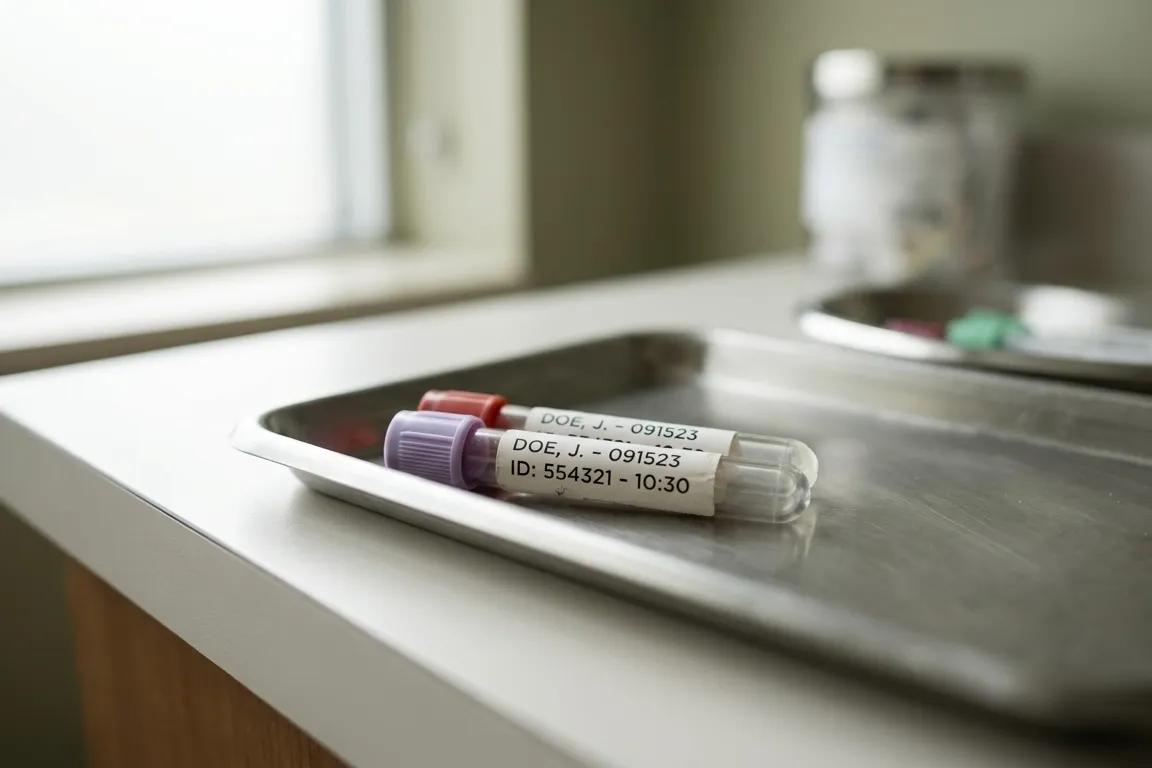
Confirming low testosterone runs on blood, not feelings alone. The AUA recommends confirming a low level on two separate early-morning blood tests, ideally at the same lab, since testosterone is highest in the morning (Mulhall et al., 2018). Other groups set the bar a little differently, so one report is hard to read alone. If levels come back low, a provider usually checks other hormones to find the cause. The gap between low numbers and real symptoms is the whole reason repeat testing exists.

When testosterone therapy makes sense
Testosterone therapy is for men with confirmed low levels and symptoms, not for healthy aging or a quick fix. The FDA also kept one limit in place. Approved testosterone is meant for low testosterone from a medical condition, not age-related decline alone (FDA, 2025). Major guidelines still support offering therapy to symptomatic men case by case, often when low testosterone comes with symptoms like low libido, after a real risk-and-benefit talk (Bhasin et al., 2018). For some men it eases symptoms. For others the benefit is unclear.
Treatment comes in several forms, and they differ in how often a man deals with them.
| Method | How it's taken | How often |
|---|---|---|
| Injection | Into muscle or under the skin | On a regular schedule |
| Gel or cream | Applied to the skin | Daily |
Risk deserves attention. Therapy can push red blood cell counts too high, so providers track hematocrit and lower the dose if it climbs past safe limits (Mulhall et al., 2018). It may increase the risk of blood clots in some men. Men with breast or prostate cancer, untreated severe sleep apnea, uncontrolled heart failure, or a recent heart attack or stroke are usually told to avoid it. Therapy can also lower sperm counts, so men planning kids soon should say so first.
The heart question has shifted. In a large trial of men at higher cardiovascular risk, testosterone therapy did not raise the rate of major cardiac events versus placebo, though atrial fibrillation and clots were more common (Lincoff et al., 2023). Based on those results, in February 2025 the FDA removed the old cardiovascular boxed warning and added a warning about higher blood pressure instead (FDA, 2025).
Getting treatment the safe way
Access has changed too. A temporary federal rule lets clinicians prescribe controlled medications, including testosterone, through telehealth without a prior in-person visit, and it runs through December 31, 2026 (DEA, 2025). That's convenient, but it isn't a way around the basics. A legitimate telehealth provider still requires lab confirmation and an evaluation, and that rule is temporary. Skipping bloodwork and monitoring, the way gray-market sellers do, drops the safeguards that catch high red blood cell counts early.
So is male menopause real? Not as a sudden event with one clean fix. What's real is age-related low testosterone, and it only calls for treatment when low numbers and symptoms line up under the eye of a licensed provider. For most men, the smartest first step is an honest test and a straight conversation, not a prescription.
Disclaimer: This blog post is intended for informational purposes only and should not be considered medical advice. Always consult a healthcare professional before making changes to your health routine.
FAQs
Is male menopause the same as menopause in women?
No. Menopause is a fairly sudden end to a woman's hormone production, while age-related low testosterone in men is a slow, gradual decline rather than a sudden change. Many men with lower levels never develop symptoms at all.
What are the symptoms of low testosterone in men?
Common symptoms include lower sex drive, erectile changes, fatigue, loss of muscle, more body fat, and a low mood. These signs are nonspecific, so other causes like poor sleep, stress, or excess weight can produce the same picture.
What testosterone level is considered low?
The American Urological Association looks for a low level confirmed on two separate early-morning blood tests, alongside symptoms, since a number alone is not enough.
Does testosterone therapy increase heart risk?
In a large trial of men at higher cardiovascular risk, testosterone therapy did not raise the rate of major cardiac events compared with placebo, though atrial fibrillation and clots were more common. In February 2025 the FDA removed the older cardiovascular boxed warning and added a warning about increased blood pressure.
Can men get testosterone treatment through telehealth?
Yes. A temporary federal rule allows clinicians to prescribe controlled medications, including testosterone, through telehealth without a prior in-person visit through December 31, 2026. A licensed telehealth provider still requires lab confirmation and an evaluation first.
Is male menopause a real medical condition?
Not as an official one. The recognized condition is late-onset hypogonadism, or age-related low testosterone, which providers confirm only when low blood levels appear together with symptoms.
Does testosterone therapy affect fertility?
It can. Testosterone therapy may lower sperm production, so men who want to have children in the near future should discuss this with a provider before starting and ask about options to protect fertility.
References
More from Marek Health




Your biology has answers.
Custom labs, a dedicated care team, and treatment built on your biology, not guesswork. One program, built around you.
HIPAA compliant · We never sell your data