


Low Testosterone And Migraines: What The Evidence Shows
Low testosterone and migraines may be linked in some men. See what the clinical evidence shows about testosterone and headaches, and when lab testing helps.

Low testosterone and migraines can appear together in some men, but the evidence shows an association, not a proven cause. Small studies find that men with chronic migraine tend to carry lower total testosterone (Shields et al., 2019). Testosterone therapy isn't a migraine treatment; it treats diagnosed testosterone deficiency, confirmed with labs and symptoms.
Low testosterone, or hypogonadism, is a clinically low hormone level confirmed on early-morning blood tests alongside symptoms. Its link with migraine is still under study, and no one has shown that one causes the other. Marek Health starts with lab work, not assumptions.


How Common Are Migraines in Men?
Migraine affects roughly 9.7% of men in the United States, according to National Health Interview Survey data analyzed by Burch and colleagues (Burch et al., 2018). That rate is about one-third the rate in women, but it still makes migraine one of the most common neurological conditions in men. Prevalence peaks between ages 25 and 55, the same window when testosterone levels begin their gradual decline.
Chronic migraine, defined as 15 or more headache days a month with at least 8 carrying migraine features for more than three months, represents the more disabling end of the spectrum. Overlapping conditions like obstructive sleep apnea can affect both headaches and hormones.
Men with migraine are also less likely to receive a correct diagnosis. Data from a tertiary headache center found that only 57% of men had been diagnosed with migraine before referral, compared with about 74% of women (Angerhofer et al., 2025). Non-prototypical symptom presentation and lower rates of care-seeking both contribute to that gap, which means some men carry undiagnosed migraine alongside other symptoms they're already reporting to a provider.
The Link Between Low Testosterone and Migraines
The clearest data on low testosterone and migraines come from small observational work. In a pilot of 14 men with chronic migraine, mean total testosterone was 322 ng/dL (range 120 to 542), placing the group mean in the lower 5% of the lab's reference range (Shields et al., 2019). The study can't show direction: low testosterone might contribute to migraine, migraine might affect hormones, or both could share a pathway. Reading free and total testosterone together adds clinical detail.
Symptoms That Overlap With Low Testosterone
Low testosterone has symptoms that can sit alongside frequent headaches: reduced libido, fatigue, low mood, trouble concentrating, and loss of muscle mass. Several of these (fatigue, depressed mood, and difficulty concentrating) are also reported at higher rates in men with chronic migraine (Shields et al., 2019). That overlap makes it harder to tell whether one condition is driving the symptoms or both are present at the same time.
A man who attributes his fatigue and brain fog to migraine alone could be missing a hormonal component, and one who assumes testosterone explains everything could be overlooking a headache disorder. Neither symptom cluster is diagnostic on its own. Signs of low testosterone point toward lab testing, which is the only way to separate the two.

Does Testosterone Therapy Help With Migraines?
Testosterone therapy isn't a migraine treatment, and no major guideline recommends it for headaches. Whether correcting a diagnosed deficiency changes migraine patterns hasn't been established in men, and any treatment decision should be made with a provider based on the individual's full clinical picture. Some men with confirmed deficiency report fewer headaches, but that response is individual and not guaranteed. Presenting testosterone as a migraine solution overstates the evidence.

How Low Testosterone Is Diagnosed
Diagnosis rests on lab confirmation, not symptoms alone. The American Urological Association defines deficiency as total testosterone below 300 ng/dL on two separate early-morning draws, taken 8 to 10 AM, with symptoms (Mulhall et al., 2018). The lower limit of normal varies by assay and guideline, from about 230 to 350 ng/dL (Mulhall et al., 2018; Bhasin et al., 2018). Confirming low testosterone this way can also flag other drivers of headache. Testosterone is a Schedule III medication, so a prescription follows evaluation by a licensed provider.
Risks of Testosterone Therapy to Weigh
Testosterone therapy carries risks, so monitoring is standard. It can raise hematocrit, the share of red blood cells, and guidelines generally flag a level above 54% for a dose adjustment or therapeutic phlebotomy, though the clinical response depends on the individual (Bhasin et al., 2018). Regular hematocrit monitoring is routine, along with watching elevated estradiol as some testosterone converts to estrogen.
In the TRAVERSE trial, testosterone didn't raise major adverse cardiac events overall, but the testosterone group had more atrial fibrillation and pulmonary embolism (Lincoff et al., 2023). In February 2025 the FDA added a blood pressure warning and kept the limitation that these products aren't approved for age-related low testosterone (FDA, 2025). Testosterone suppresses sperm production, sometimes for an extended period, and full recovery isn't guaranteed.


What to Expect During a Testosterone Evaluation
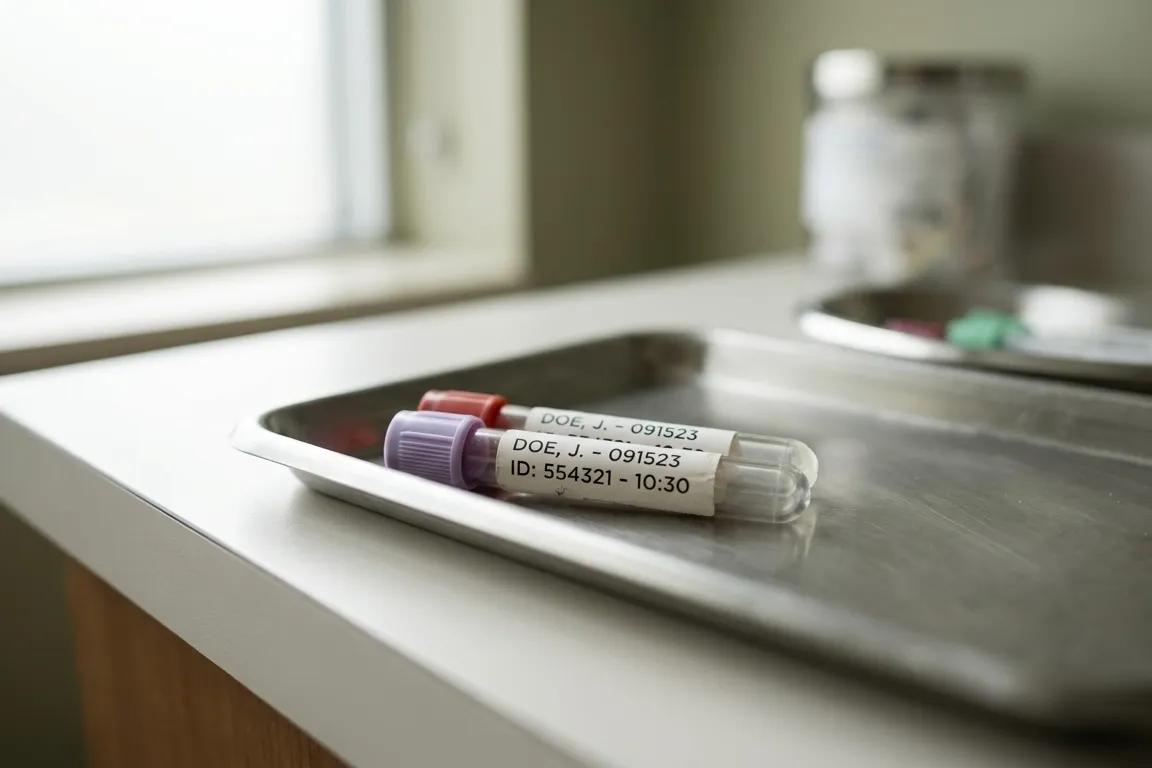
A testosterone evaluation starts with a blood draw, not a prescription. Labs are drawn in the early morning (8 to 10 AM), when testosterone peaks, and a second draw on a separate day confirms the result. Most providers also check free testosterone, SHBG, LH, FSH, a metabolic panel, and a CBC to rule out other causes of symptoms.
If both draws come back below 300 ng/dL and symptoms are present, a licensed provider reviews the full picture before considering treatment. Marek Health's evaluation process follows this same guideline-based approach. Not every man with a low number qualifies; symptoms, medical history, and goals all matter.
Can Lifestyle Changes Affect Testosterone and Migraines?
Sleep, body composition, exercise, and alcohol intake each affect testosterone levels independently of any medical condition. Poor sleep alone can lower morning testosterone by 10 to 15% in healthy young men, according to research published in JAMA (Leproult & Van Cauter, 2011). Several of these same factors (sleep disruption and high body fat above all) are also recognized migraine triggers.
Losing excess body fat, getting consistent sleep, and moderating alcohol won't replace medical treatment for a diagnosed deficiency, but they can support both hormonal and neurological health. Providers often address these alongside any prescribed therapy.
Low testosterone and migraines can appear in the same man, but the evidence describes an association, not cause and effect. For men whose headaches come with signs of deficiency, the next step is lab-based evaluation, not assumptions.
Disclaimer: This blog post is intended for informational purposes only and should not be considered medical advice. Always consult a healthcare professional before making changes to your health routine.
FAQs
Can low testosterone and migraines be related in men?
Some small studies have found lower testosterone in men with chronic migraine, so the two can be related. Research hasn't shown that low testosterone causes migraines, though.
What are common signs of low testosterone?
Common signs include reduced libido, fatigue, low mood, trouble concentrating, and loss of muscle mass. Because these overlap with other conditions, diagnosis needs lab testing plus symptoms.
Does testosterone therapy treat migraines?
No. It's prescribed to correct a diagnosed testosterone deficiency, not to treat migraines, and any headache change is individual and not guaranteed.
How is low testosterone diagnosed?
Diagnosis usually needs two early-morning blood draws plus symptoms, interpreted by a licensed provider in the context of the individual's health. A single low reading or symptoms alone isn't enough.
Is testosterone therapy safe for men with low testosterone and migraines?
When prescribed and monitored by a licensed provider, it's used only for diagnosed deficiency. It carries risks such as higher red blood cell levels, so ongoing lab monitoring matters.
References
More from Marek Health




Your biology has answers.
Custom labs, a dedicated care team, and treatment built on your biology, not guesswork. One program, built around you.
HIPAA compliant · We never sell your data