


At What Age Is It Hardest to Lose Weight? The Answer
At what age is it hardest to lose weight? The 40s and 50s are the toughest due to hormonal shifts and muscle loss. See what science says and how to fight back.

The hardest age to lose weight is between 40 and 59. That's not an opinion. CDC data from the 2021–2023 National Health and Nutrition Examination Survey shows that the 40–59 age group has the highest obesity prevalence of any adult bracket at 46.4%, compared to 35.5% for ages 20–39 and 38.9% for adults 60 and older (Emmerich et al., 2024). Severe obesity also peaks in midlife. The combination of hormonal shifts, muscle loss, and a slower metabolism creates a collision that makes every pound harder to drop than the decade before.
This pattern is common. Many people report that the same diet and exercise routine that worked in their 20s and 30s becomes less effective as they approach midlife. The biology behind this shift is well documented, and understanding it changes the entire strategy.


Why Does Losing Weight Get Harder With Age?
At what age is it hardest to lose weight? Research consistently points to the 40s and 50s as the toughest window. Falling hormone levels, accelerating muscle loss (roughly 3 to 5% per decade after age 30), and shifts in body composition that reduce calorie burn combine to make midlife the steepest uphill climb for weight loss. But the right approach, backed by lab work and medical guidance, can close the gap between effort and results.
How Metabolism Changes After 30
Metabolism isn't a single switch. It's the sum of every calorie-burning process in the body, from breathing to digestion to walking across a room. Basal metabolic rate (BMR) accounts for 50 to 70% of total daily calorie burn. While earlier estimates suggested a steady decline starting in early adulthood, more recent research indicates metabolism stays relatively stable until around 60, with much of the earlier decline explained by changes in body composition rather than intrinsic metabolic slowing.
The bigger problem is sarcopenia. That's the medical term for age-related muscle loss. Muscle tissue burns more calories at rest than fat does. After age 30, people lose roughly 3 to 5% of their muscle mass per decade, with sharper drops after 60 (NIH News in Health, 2025). Less muscle means fewer calories burned, even while sleeping. And most people don't replace that lost muscle because they don't know it's disappearing.
What Do Hormones Have to Do With Weight Gain?
Plenty. Women going through perimenopause and menopause (typically between 45 and 55) experience falling estrogen levels that redirect fat storage toward the abdomen. According to Mayo Clinic data, women going through this transition often gain about 1.5 pounds per year, driven by a combination of hormonal shifts, changes in energy expenditure, and age-related body composition changes (Mayo Clinic, 2023). That adds up to 10 to 15 pounds over a decade if nothing else changes.
Men face a parallel issue. Testosterone declines roughly 1 to 2% per year after age 40. Low testosterone is associated with reduced muscle mass and increased body fat, though the relationship goes both ways. Excess body fat can suppress testosterone, and weight loss alone may improve levels in some men. Both sexes also produce less growth hormone starting in middle age, which further affects how the body stores and burns fat.
A qualified provider can evaluate hormone levels through detailed lab testing and build a plan based on what the numbers actually show.
The Lifestyle Shift Most People Ignore
Biology doesn't work in isolation. People in their 40s and 50s tend to be busier, more stressed, and sleeping less. Career demands, family responsibilities, and shrinking free time mean fewer hours for exercise and more meals eaten on the go.
Chronic stress is associated with elevated cortisol levels, which may contribute to visceral fat accumulation through multiple pathways including changes in appetite, sleep, and metabolic signaling. Poor sleep compounds the problem by disrupting appetite hormones like leptin and ghrelin. These factors don't just add to the biological challenges. They multiply them.
At What Age Is It Hardest to Lose Weight? A Decade-by-Decade Look
The difficulty of losing weight doesn't increase in a straight line. It accelerates.
20s: Peak Metabolism, Minimal Resi stance
Metabolism is at its highest point. Growth hormone and testosterone support muscle growth and fat burning. Most people in their 20s can create a basic calorie deficit and see results quickly. The margin for dietary error is wide.
30s: The First Warning Signs
Muscle loss begins, though quietly. Metabolism starts its gradual decline, and most people won't feel it yet. Major life changes (new careers, young families) often mean less physical activity. Weight gain creeps in slowly, and it's still manageable with moderate effort.
40s: The Real Turning Point
This is where most people hit a wall. CDC data confirms the 40 to 59 age group carries the highest obesity rate in the country at 46.4% (Emmerich et al., 2024). Perimenopause begins for many women. Men's testosterone continues its steady decline. The weight loss strategies that worked at 28 often stop producing results entirely. What's frustrating is that people often blame willpower when the real issue is biology they can't see.
50s and Beyond: The Steepest Hill
After 50, hormonal changes pick up speed. Postmenopausal women face significantly lower estrogen and increased belly fat. Men with low testosterone deal with muscle loss and reduced energy. Chronic conditions like thyroid disorders, insulin resistance, and reduced mobility add more friction.
Here's what most articles on this topic get wrong: a University of Warwick study found that adults over 60 in a supervised hospital program lost a comparable percentage of body weight (7.3%) as younger participants (6.9%) over similar timeframes (Leyden et al., 2020). Age isn't a barrier when the program is right. Assuming otherwise is one of the most expensive mistakes people make about weight loss.
How Does a Telehealth Weight Loss Provider Help?
The gap between losing weight at 25 and losing weight at 50 isn't willpower. It's information. A qualified provider closes that gap with data.
Plans Built on Lab Work
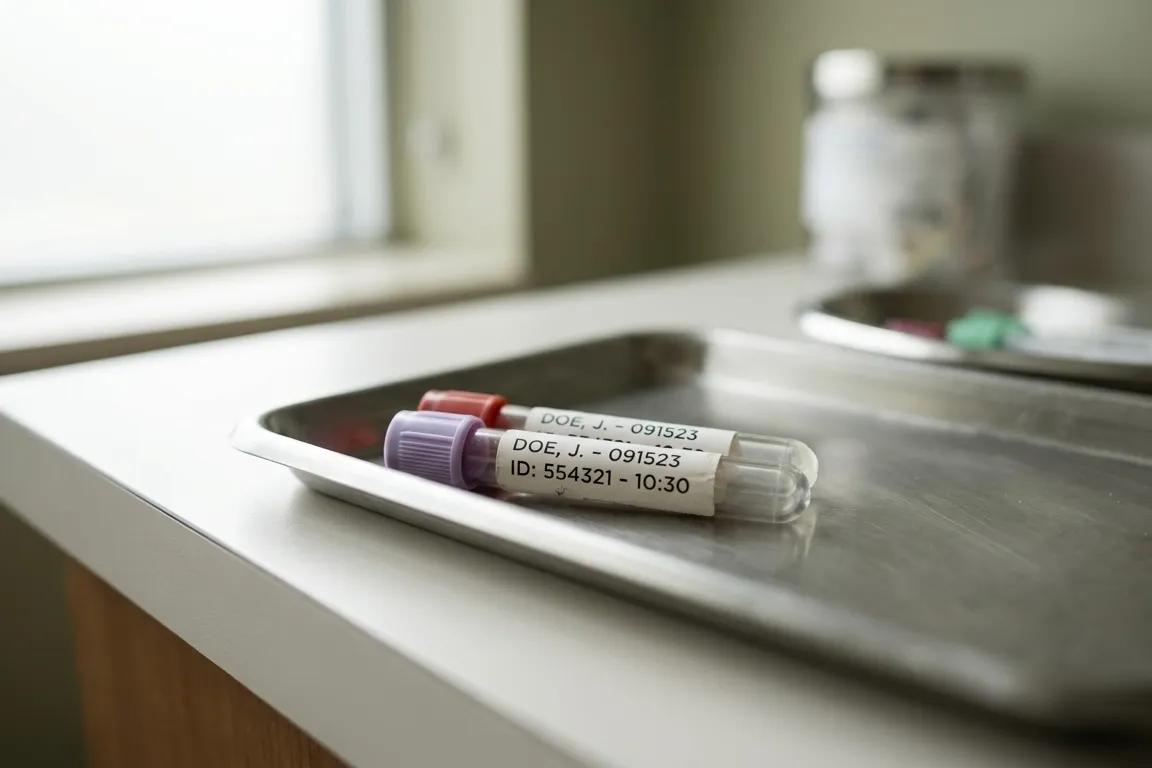
Generic diets don't account for a 48-year-old woman's estrogen levels or a 52-year-old man's free testosterone. Providers who order bloodwork most doctors skip can identify specific hormonal and metabolic roadblocks. That changes the entire plan from the first visit.
Medical Weight Loss Tools
Providers offer tools beyond what a standard diet program covers: prescription medications that target appetite regulation, blood sugar control, or other specific metabolic factors, along with metabolic testing, behavioral counseling, and targeted nutritional guidance. GLP-1 medications like semaglutide have shown promising results in trials, though weight regain after stopping is common without lifestyle changes in place.
Addressing Hormones That Block Progress
When hormones are the bottleneck, calorie counting alone won't fix it. A provider can recommend hormone therapy prescribed based on lab results and tailored to each client's needs, which may help support healthy body composition, may help reduce symptoms of menopause or age-related testosterone decline, and may make weight loss more achievable.
Can Hormone Therapy Support Weight Loss?
For many clients over 40, hormone therapy may help close the gap between effort and results when lab work shows hormonal imbalances are part of the picture.
What Hormone Therapy Options Exist?
Hormone therapy involves prescribing hormones tailored to each client's lab results. FDA-approved hormone formulations have undergone rigorous testing for safety and efficacy. Compounded formulations are also available but are not FDA-approved and carry different regulatory oversight. A provider can explain which option fits a client's situation, and this decision should always be made with a licensed provider.
Potential Benefits for Body Composition
For clients with documented hormonal deficiencies, hormone therapy prescribed under provider supervision may help address specific symptoms. Benefits and risks vary based on individual health history. It isn't a weight loss medication, but for clients whose hormonal status is a barrier, addressing it may make broader weight management efforts more effective. Individual results vary.
Hormone therapy carries risks that vary by formulation, dose, route of administration, and individual health history. These may include cardiovascular effects, blood clot risk, and other considerations. A thorough evaluation and shared decision-making with a licensed provider are required before starting any hormone therapy.


What Works for Weight Loss After 40?
The playbook has to change. What produced results at 30 won't cut it at 45.
Protein and Nutrition Changes
Protein needs go up, not down, as people age. The PROT-AGE Study Group recommends older adults aiming to lose weight or preserve muscle consume 1.2 to 1.6 grams of protein per kilogram of body weight per day (Bauer et al., 2013). Whole, nutrient-dense foods should replace processed options. Portion awareness matters more now because the margin for error is smaller when BMR is lower.
Why Resistance Training Beats Cardio Alone
This is the single most underrated piece of the age-related weight loss puzzle. Cardio alone doesn't preserve muscle. Resistance training does. And since muscle drives metabolic rate, losing it while dieting just makes future weight loss harder. For most people over 40, a program that combines resistance training with moderate cardio produces better body composition results than cardio alone, though individual programs should reflect each client's health status.
Sleep, Stress, and Cortisol
Poor sleep raises cortisol, spikes appetite, and blunts fat loss. Most adults benefit from 7 to 9 hours of quality sleep, and managing stress becomes increasingly important for weight management after 40. Health coaching programs that address sleep, stress, nutrition, and exercise together may produce better outcomes than tackling any one factor alone. Providers generally report that clients who get support across all four areas stay more consistent over time.
Why a Telehealth Model Changes the Equation
Geography shouldn't limit access to quality care. Telehealth makes it possible to work with hormone specialists, get lab reviews, and adjust protocols without sitting in a waiting room.
Ongoing Monitoring and Accountability
Regular check-ins and lab reviews keep the plan responsive. A provider who tracks progress through data can adjust medications, dosages, and protocols as the body responds. Clients benefit when providers work with an experienced health team that prioritizes transparent, evidence-based care.
Direct Access to Hormone Specialists
Not every weight loss provider offers hormone evaluation. A telehealth platform with dedicated specialists can address root causes of weight gain that surface-level programs miss entirely. Fighting age-related decline takes more than a calorie counter.
Practical Steps to Break Through Age-Related Barriers
Get lab work done. Identify hormonal and metabolic issues before building a plan.
Test hormone levels after 40. Thyroid, testosterone, estrogen, and cortisol all affect weight.
Prioritize resistance training over cardio.
Increase protein intake to 1.2–1.6 grams per kilogram of body weight.
Aim for 7 to 9 hours of sleep per night.
Work with a qualified provider for accountability and data-driven adjustments.
Disclaimer: This blog post is intended for informational purposes only and should not be considered medical advice. Always consult a healthcare professional before making changes to your health routine.
FAQs
Is it really harder to lose weight after 40, or is that a myth?
It's real, not a myth. CDC data shows obesity peaks in the 40–59 age group at 46.4% (Emmerich et al., 2024). Sarcopenia (muscle loss of 3 to 5% per decade), declining hormones, and body composition changes that reduce calorie burn all compounds after 40. But supervised programs may still produce meaningful results at any age.
How much weight do women typically gain during menopause?
Most women gain about 1.5 pounds per year during the menopausal transition, according to Mayo Clinic data (Mayo Clinic, 2023). Over a decade, that adds up. Falling estrogen levels shift fat storage toward the abdomen. This isn't inevitable, but it does require a targeted strategy that accounts for hormonal changes.
At what age is it hardest to lose weight for men?
Men tend to hit the steepest challenge in their late 40s and 50s, when testosterone levels have declined enough to meaningfully reduce muscle mass and slow metabolism. Testosterone drops roughly 1 to 2% per year after 40, and the effects accumulate over time.
Does muscle loss really start in the 30s?
Yes. Adults begin losing roughly 3 to 5% of muscle mass per decade after age 30 if they don't actively counter it with resistance training (NIH News in Health, 2025). This loss accelerates after 60. Since muscle burns more calories at rest than fat, losing it directly slows metabolism.
What's the best type of exercise for weight loss after 40?
Resistance training is the top priority because it preserves and builds muscle, which keeps metabolic rate higher. Cardio alone doesn't prevent muscle loss. The best programs combine strength training with moderate aerobic activity and flexibility work.
Should someone get their hormones tested before starting a weight loss plan?
For anyone over 40 who's struggling despite consistent effort, hormone testing is worth it. Thyroid function, testosterone, estrogen, and cortisol can all block weight loss when they're out of range. A telehealth provider like Marek Health can order panels that most primary care offices don't include.
References
More from Marek Health



Your biology has answers.
Custom labs, a dedicated care team, and treatment built on your biology, not guesswork. One program, built around you.
HIPAA compliant · We never sell your data