


Estrogen in Men: Levels, Symptoms, And When To Test In 2026
Estrogen in men directly affects sex drive, bone health, and mood. Learn what normal estradiol levels look like, signs of imbalance, and when to get tested.

Estrogen isn't just a female hormone. Men produce it too, and it plays a role in sex drive, bone strength, sperm production, and cardiovascular function. When estrogen levels run too high or too low, men can develop problems ranging from erectile dysfunction and breast tissue growth to bone loss and mood changes.
Most men never get their estrogen tested. Telehealth providers focused on hormone health include estradiol in routine panels.
Estrogen in men refers primarily to estradiol (E2), produced when the body converts testosterone through the enzyme aromatase. Normal estradiol in adult men falls between 10 and 40 pg/mL. Both high and low levels can point to problems requiring evaluation by a licensed provider.


What Is Estrogen and Why Do Men Need It?
Women produce far more estrogen, but men depend on it for functions beyond reproduction.
Testosterone converts into estradiol through aromatase, an enzyme found in the testes, fat tissue, and brain (Cooke et al., 2017). Estradiol can support sex drive, erectile function, and sperm production in men. It may also play a role in cholesterol regulation and bone density maintenance.
Oversimplifying estrogen as "bad" for men can lead to management decisions that do more harm than good. Some men suppress it aggressively and end up worse off. Bone loss, joint pain, anxiety, and worsened sexual function have all been reported when estradiol falls too low.
Normal Estrogen Levels for Men in 2026
Most labs report normal estradiol for adult men at 10 to 40 pg/mL (some ranges extend to 50). These numbers shift with age, body composition, and testosterone therapy status.
Some providers also evaluate the testosterone-to-estradiol (T:E) ratio, referencing 10:1 to 30:1 as a favorable range, though no major guideline has established a definitive target. Ratios below 10:1 have been tied to higher cardiovascular risk in some studies.
Standard bloodwork rarely includes estradiol. Men dealing with fatigue, low sex drive, or mood shifts should request a sensitive estradiol test using the LC/MS-MS method, which is more accurate at male-range concentrations.
Does High Estrogen Cause Problems in Men?
Yes. When estradiol climbs above normal, men may notice changes in sexual function, body composition, and mood. Higher body fat increases aromatase activity, driving more testosterone-to-estradiol conversion.
Conditions linked to high estrogen in men include diabetes, hyperthyroidism, liver cirrhosis, and adrenal or testicular tumors.
Research suggests men with the highest estrogen levels may face roughly 2.5 times the breast cancer risk compared to those with the lowest levels (Brinton et al., 2015). Male breast cancer remains rare, but elevated estrogen is a recognized contributing factor.
Signs of Low Estrogen in Men
When estradiol drops too far, the effects can be just as disruptive as high levels.
Common signs include reduced sex drive, increased belly fat, joint pain, and progressive bone loss. Estrogen deficiency can contribute to osteoporosis in men, especially when levels drop below a threshold that bone metabolism research places somewhere between 15 and 25 pg/mL (Rochira et al., 2015).
Low estrogen often shows up alongside low testosterone. Overuse of aromatase inhibitors during testosterone therapy can inadvertently lower estradiol below a functional range, worsening mood, joint pain, and sexual function.
Signs of High Estrogen in Men
Gynecomastia (breast tissue growth) is a hallmark sign. The condition affects an estimated 32 to 65% of men from various causes, with estrogen-androgen imbalance among the recognized contributors (Cuhaci et al., 2014). Other signs include erectile dysfunction, reduced fertility, water retention, and mood changes.
In younger males, estrogen-androgen imbalance can affect growth patterns and adult height.
Men on testosterone therapy who skip routine hormone monitoring face added risk. Exogenous testosterone gives aromatase more raw material to convert, and without lab checks, estradiol can climb silently.

How Can Men Lower Estrogen Levels?
Lowering estrogen should always happen under provider supervision. The endocrine system responds to small changes, and self-treating with over-the-counter "estrogen blockers" can make things worse.
Prescription options include selective estrogen receptor modulators (SERMs) and aromatase inhibitors (AIs, used off-label in men). AIs block testosterone-to-estradiol conversion and cost roughly $10 to $50 per month for generic medication alone (provider visits and labs are separate). SERMs block estrogen's effects at specific tissues without reducing total levels.
Body composition matters. Losing excess fat can reduce aromatase activity and may lower estradiol. Cutting back on alcohol may also help, since it can increase aromatization.
Raising Low Estrogen in Men
Low estrogen in men usually traces back to low testosterone.
Testosterone therapy may raise estradiol as a secondary effect. A provider monitors both hormones throughout therapy.
Men suspecting low estrogen should get bloodwork first. Self-treatment without lab monitoring can lead to unpredictable hormonal shifts and unintended side effects.
Testing for Estrogen in Men
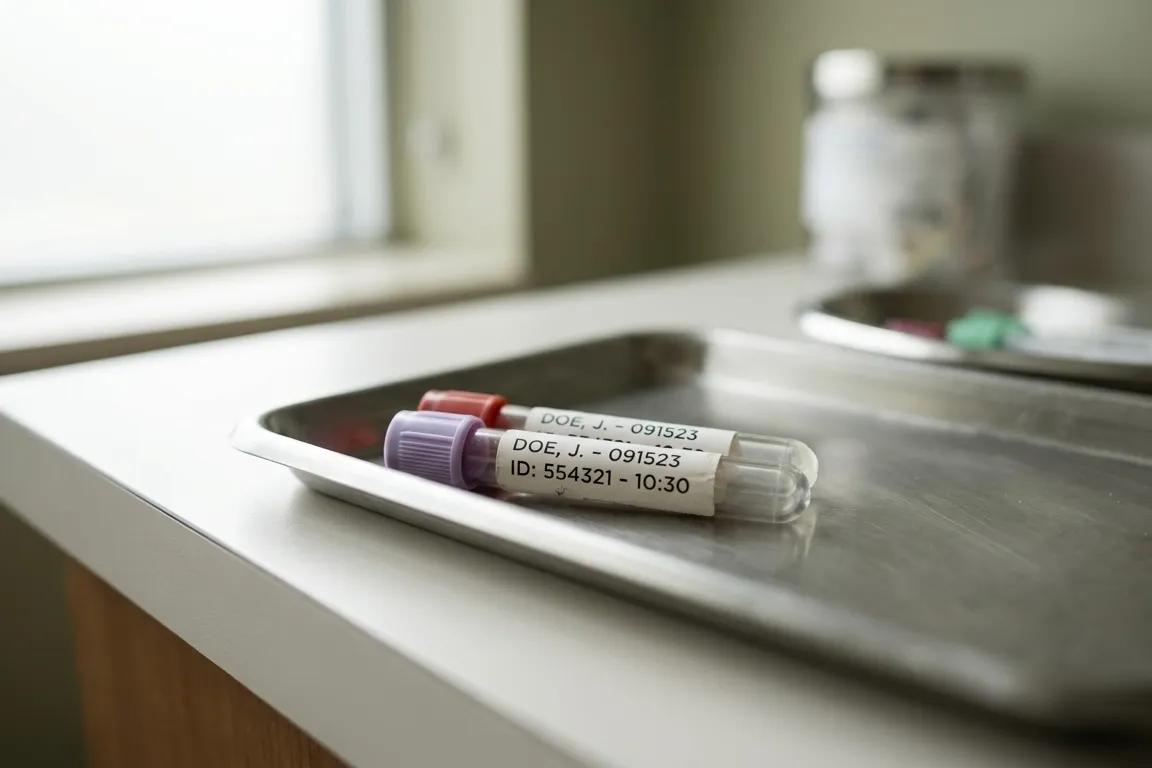
Any man experiencing fatigue, low sex drive, erectile dysfunction, unexplained weight gain, breast tenderness, or mood swings should request estradiol testing as part of a broader hormone panel.
Men on testosterone therapy should test estradiol every 3 to 6 months at first, then at intervals their provider recommends. The sensitive estradiol test (LC/MS-MS) is the preferred method because standard immunoassays can produce misleading readings at male-range concentrations.
Blood testing is the only reliable way to confirm estrogen levels in men. At-home kits aren't accurate enough for clinical decisions.
Disclaimer: This blog post is intended for informational purposes only and should not be considered medical advice. Always consult a healthcare professional before making changes to your health routine.
FAQs
What is a healthy testosterone to estradiol ratio for men?
Some providers reference a T:E ratio of 10:1 to 30:1 (testosterone in ng/dL divided by estradiol in pg/mL) as a favorable range, though no major professional guideline has established a definitive target. Ratios below 10:1 have been associated with higher cardiovascular risk in some studies. A provider can calculate this ratio from standard hormone bloodwork.
Can low estrogen cause problems in men?
Yes, low estradiol has been linked to bone loss, joint pain, reduced sex drive, and mood disturbances in men. Overuse of aromatase inhibitors during testosterone therapy can suppress estradiol below a functional range and produce these same symptoms.
How does body fat affect estrogen levels in men?
Fat tissue contains aromatase, the enzyme that converts testosterone into estradiol. Men with higher body fat percentages tend to convert more testosterone into estrogen, which can push levels above the normal range. Losing excess weight can reduce aromatase activity and may help bring estradiol levels down.
Should men on testosterone therapy take an aromatase inhibitor?
Only if lab work shows elevated estradiol or a man is experiencing symptoms of high estrogen. Routine aromatase inhibitor use without individualized lab monitoring may carry unnecessary risk. Suppressing estradiol too aggressively has been associated with joint pain, fatigue, and worsened sexual function. Individualized dosing based on bloodwork is the safer approach.
How often should estrogen be tested in men on hormone therapy?
Most providers recommend testing estradiol every 3 to 6 months during the first year of testosterone therapy. After levels stabilize, testing may shift to every 6 to 12 months. The sensitive estradiol test (LC/MS-MS) provides the most accurate results for men.
Does high estrogen in men increase breast cancer risk?
Research suggests a connection. One study found that men with the highest estrogen levels had roughly 2.5 times the breast cancer risk compared to those with the lowest. Male breast cancer remains rare overall, but discussing estrogen levels with a provider can be part of a personalized health review.
References
More from Marek Health




Your biology has answers.
Custom labs, a dedicated care team, and treatment built on your biology, not guesswork. One program, built around you.
HIPAA compliant · We never sell your data